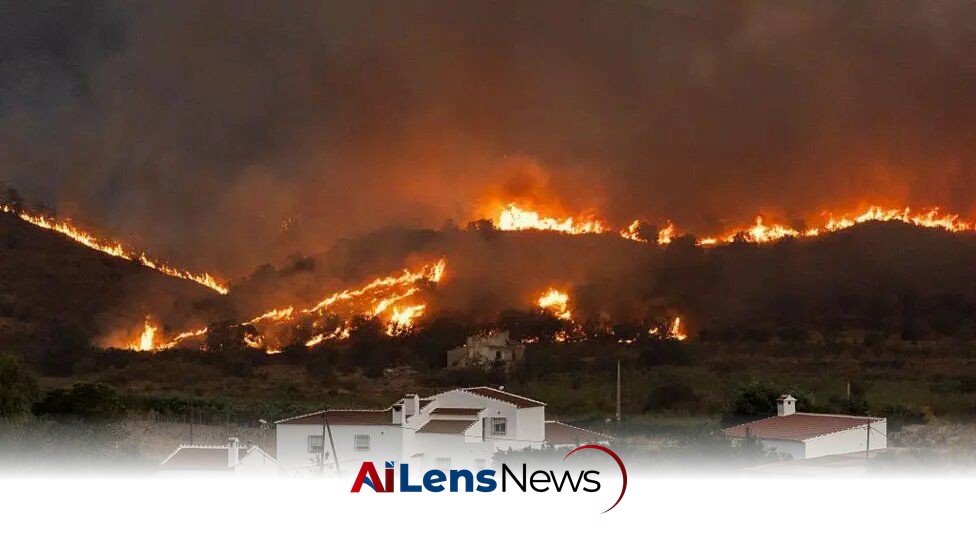


A devastating wildfire in Almeria, Spain, has resulted in 13 fatalities and left several injured. The blaze has been stabilized, allowing some evacuees to return home.
New Delhi, India Jul 13, 2026 ALN: The death toll from a wildfire in Spain's southeastern province of Almeria has tragically risen to 13, with regional authorities confirming that the blaze has now been stabilized. Wildfires have become an increasingly serious threat in recent years, exacerbated by climate change, and this incident highlights the urgent need for effective preventive measures and response strategies.
Seven individuals remain hospitalized, three of whom are in serious condition, according to the latest official data. The number of injuries and fatalities is a stark reminder of the devastating impact that wildfires can have on communities, particularly in regions like Andalusia, which is known for its hot, dry climate, making it susceptible to such disasters. The province of Almeria, specifically, has a history of wildfires and has been on high alert during the summer months when temperatures can soar, creating ideal conditions for fires to ignite and spread.
Spain's public broadcaster RTVE reported that many of those affected by the fire are foreign nationals. This aspect emphasizes the diverse demographic of the region, where both locals and expatriates reside, and underscores the need for comprehensive emergency response plans that cater to all community members, regardless of their nationality. The presence of foreign nationals in Almeria, which is a popular destination for tourists and expatriates alike, adds complexity to the emergency response, necessitating clear communication and support for all individuals impacted by the disaster.
The wildfire ignited on Thursday near the municipality of Los Gallardos in Almeria, part of the autonomous community of Andalusia in southern Spain, and has scorched approximately 7,000 hectares of land, as reported by Xinhua news agency. This area is characterized by its natural beauty, but also by its vulnerability to wildfires, especially during the summer months when temperatures soar and vegetation dries out. The rapid spread of the fire can be attributed to a combination of high winds and dry conditions, which are common during this time of year in southern Spain.
Currently, ten people officially registered as missing are still unaccounted for. The search for these individuals is ongoing, and it highlights the chaotic and perilous nature of wildfires, which can displace residents and complicate rescue efforts. The emotional toll on families and friends of the missing cannot be overstated, as uncertainty can be as distressing as the loss of life itself. The community's anguish is palpable, as loved ones await news, hoping for the safe return of those who have not yet been found.
Regional authorities have indicated that the stabilization of the fire has enabled them to reduce the emergency response level and allow the remaining roughly 1,000 evacuees to return to their homes, following the return of about 600 residents on Saturday. The process of returning evacuees to their homes is a crucial step in the recovery process, allowing families to reunite and begin assessing the damage caused by the wildfire. However, the return to normalcy will be a gradual process as many residents will need to confront the reality of lost property and the impact on their livelihoods.
The cause of the wildfire is still under investigation, with the primary hypothesis suggesting it may have been triggered by the collapse of an electricity pole or cable. This raises important questions about infrastructure resilience, especially in areas prone to extreme weather conditions. Ensuring that power lines and other critical infrastructure can withstand such events is vital for preventing future disasters. The incident has sparked discussions about the need for improved infrastructure maintenance and the importance of investing in technologies that can help mitigate risks associated with wildfires.
Juanma Moreno, head of the regional government of Andalusia, stated on Sunday that the wildfire is no longer advancing and has been contained within its perimeter. However, he cautioned that further efforts are necessary before the blaze can be declared fully controlled and extinguished. This statement reflects the cautious optimism that often accompanies wildfire containment efforts, as conditions can change rapidly, and the potential for flare-ups remains. The firefighting teams have been working tirelessly, employing various techniques, including aerial firefighting and ground crews, to ensure the fire does not reignite.
Moreno described the fire as the most severe in Andalusia's recent history and urged both the public and authorities to take climate change "very seriously." His comments underscore the growing recognition of climate change as a significant driver of extreme weather events, including wildfires. The increasing frequency and intensity of such fires are prompting calls for more robust climate policies and community preparedness initiatives. The government has faced criticism in the past for not allocating sufficient resources to wildfire prevention and response, and this incident may serve as a catalyst for change in policy and funding.
He emphasized that climate change is creating increasingly complex conditions, leading to wildfires of unprecedented size that are becoming more challenging to combat. This statement aligns with broader trends observed globally, where regions that were once considered safe from wildfires are now facing unprecedented threats as climate patterns shift. The implications of this wildfire extend beyond immediate loss of life and property. It raises critical questions about land management practices, urban planning in fire-prone areas, and the need for community education on fire safety and preparedness. As climate change continues to reshape the landscape of natural disasters, it becomes imperative for governments and communities to work together to develop comprehensive strategies to mitigate risks and enhance resilience.
In the aftermath of this tragic event, it is essential for local authorities to conduct thorough investigations not only into the cause of the fire but also into the effectiveness of the emergency response. Lessons learned from this incident could inform future wildfire management strategies and improve the overall readiness of communities in the face of such disasters. The review process will likely involve assessing the response times, coordination between agencies, and the adequacy of resources deployed during the crisis.
Moreover, the emotional and psychological impact on survivors and the families of victims will require ongoing support. Mental health services and community resources will be crucial in helping individuals cope with the trauma of the event and rebuild their lives in the wake of such devastation. Support networks will need to be established to assist those who have lost loved ones or their homes, ensuring that they have access to counseling and other forms of assistance.
As the situation in Almeria continues to develop, it serves as a poignant reminder of the fragility of human life in the face of nature's fury. The community's resilience, coupled with appropriate government action and public awareness, will be key in navigating the challenges posed by wildfires and climate change in the years to come. The necessity for a united front in disaster preparedness and response has never been more evident, as communities grapple with the reality of a changing climate and the increasing frequency of extreme weather events.
To learn more about the latest developments in World News & International Affairs, stay updated with our exclusive reports and analyses on AiLensNews.

