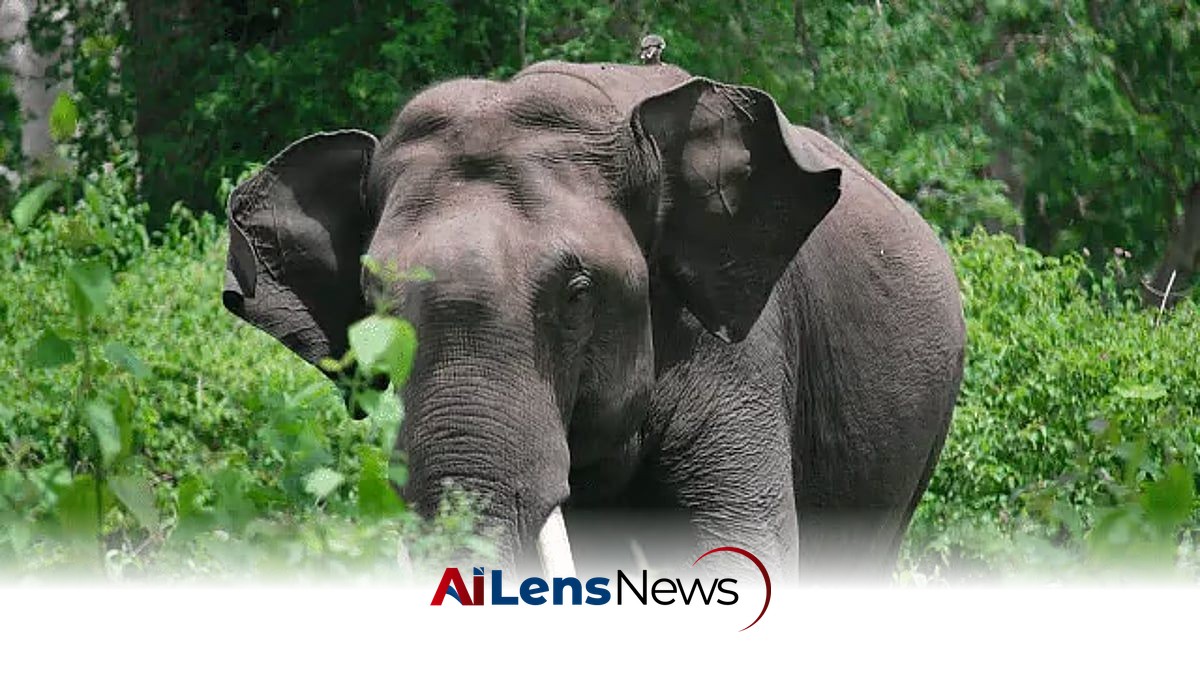


Two wild elephants caused significant damage to a liquor-laden truck at the Narengi Army camp in Guwahati, prompting a police report from the driver.
New Delhi, India Jul 19, 2026 ALN: A liquor-laden truck sustained extensive damage after two wild elephants attacked it inside the Narengi Army camp in Guwahati. The incident, which took place in a military installation, highlights the increasing interactions between wildlife and human activities in regions where urban development encroaches on natural habitats.
According to preliminary information, the truck bearing registration number AS-19-AC-7864 had arrived from Tezpur with a consignment of liquor for the military camp. Tezpur, located in the Sonitpur district of Assam, is known for its lush greenery and proximity to wildlife sanctuaries, which is indicative of the region's rich biodiversity. The journey of the truck from Tezpur to Guwahati is not uncommon, as the army camp often requires supplies from surrounding areas.
Shortly after entering the premises, two wild elephants reportedly emerged and blocked its path. The presence of elephants in this area is not unusual, as Assam is home to a significant population of Asian elephants. These majestic creatures are often seen roaming near human settlements in search of food and water, especially during the dry season when their natural habitats are under threat due to deforestation and agricultural expansion.
The driver abandoned the vehicle and ran to safety after spotting the animals. This quick decision likely prevented any injuries to the driver, as wild elephants can be unpredictable and dangerous when they feel threatened or provoked. The elephants then attacked the truck, leaving it badly damaged. Eyewitness accounts suggest that the elephants were likely drawn to the truck due to the strong smell of the liquor, which could have triggered their curiosity or aggression.
The truck driver later lodged a complaint at Satgaon Police Station. In cases involving wildlife interactions, local authorities often investigate the circumstances surrounding the incident to assess the risks and determine if any further action is necessary. Fortunately, no injuries were reported in the incident, which is a relief given the potential dangers associated with wild elephants.
This incident is part of a broader trend observed in various parts of India, where wildlife habitats are increasingly intersecting with human activities. As urban areas expand and agriculture encroaches on natural landscapes, animals such as elephants are often forced to venture closer to human settlements in search of food and resources. This can lead to conflicts that pose risks to both wildlife and human populations.
In Assam, the state government and various wildlife organizations have been working on strategies to mitigate human-elephant conflicts. These strategies often include creating wildlife corridors that allow elephants to move safely between habitats without coming into contact with human populations. Additionally, awareness campaigns educate local communities on how to coexist with wildlife, emphasizing the importance of preserving natural habitats and respecting the animals' space.
The attack on the liquor truck serves as a reminder of the challenges faced by both wildlife and humans in shared spaces. It underscores the need for ongoing dialogue and cooperation between local authorities, conservationists, and communities to develop effective solutions that protect both human lives and wildlife. Understanding elephant behavior and implementing measures to minimize encounters can significantly reduce the risk of future incidents.
Moreover, the incident raises questions about the management of wildlife in urban settings and the responsibilities of various stakeholders in ensuring safety. For instance, military installations like the Narengi Army camp may need to assess their security protocols regarding wildlife interactions, especially considering the potential for damage to property and the safety of personnel.
As the situation evolves, it will be crucial for local authorities to monitor the area and gather data on elephant movements to better understand their patterns and behaviors. This information can inform future planning and intervention strategies, ensuring that both wildlife and human populations can coexist peacefully.
In conclusion, the attack by wild elephants on the liquor truck at the Guwahati Army camp is a significant incident that reflects the ongoing challenges of wildlife conservation in an increasingly urbanized world. It highlights the need for effective management strategies that prioritize safety and the protection of natural habitats, ensuring that both elephants and humans can thrive in their respective environments.
Wild elephants are an integral part of the ecosystem in Assam, and their conservation is crucial not only for biodiversity but also for maintaining the ecological balance of the region. The increasing frequency of human-wildlife conflicts, such as this incident, calls for urgent attention from policymakers, conservationists, and local communities to find sustainable solutions.
As urban sprawl continues to encroach upon wildlife territories, it becomes essential to create awareness and educate the public about the importance of wildlife conservation. This includes understanding the needs and behaviors of elephants, which can help mitigate conflicts. For instance, local farmers are often encouraged to implement practices that deter elephants from raiding crops, such as using natural deterrents or planting specific crops that are less appealing to elephants.
The government of Assam has also initiated several programs aimed at protecting elephants and their habitats. These include establishing protected areas, enhancing patrolling in wildlife sanctuaries, and promoting community-based conservation efforts. Engaging local communities in conservation initiatives not only helps protect wildlife but also provides alternative livelihoods that do not rely on exploiting natural resources.
In addition to local efforts, there is a growing recognition of the need for broader regional cooperation in wildlife conservation. As elephants often traverse large distances in search of food and water, successful conservation strategies must consider transboundary approaches that include neighboring states and countries. Collaborative initiatives can enhance the effectiveness of conservation efforts and ensure the survival of elephant populations across their migratory routes.
Ultimately, the incident involving the liquor truck serves as a catalyst for discussions about the balance between human development and wildlife conservation. As urban areas expand, it is imperative to prioritize the preservation of natural habitats and to implement strategies that foster coexistence between humans and wildlife. The lessons learned from this incident can inform future policies and practices, ensuring that both elephants and communities can thrive in harmony.
To learn more about the latest developments in Local & Regional, stay updated with our exclusive reports and analyses on AiLensNews.

