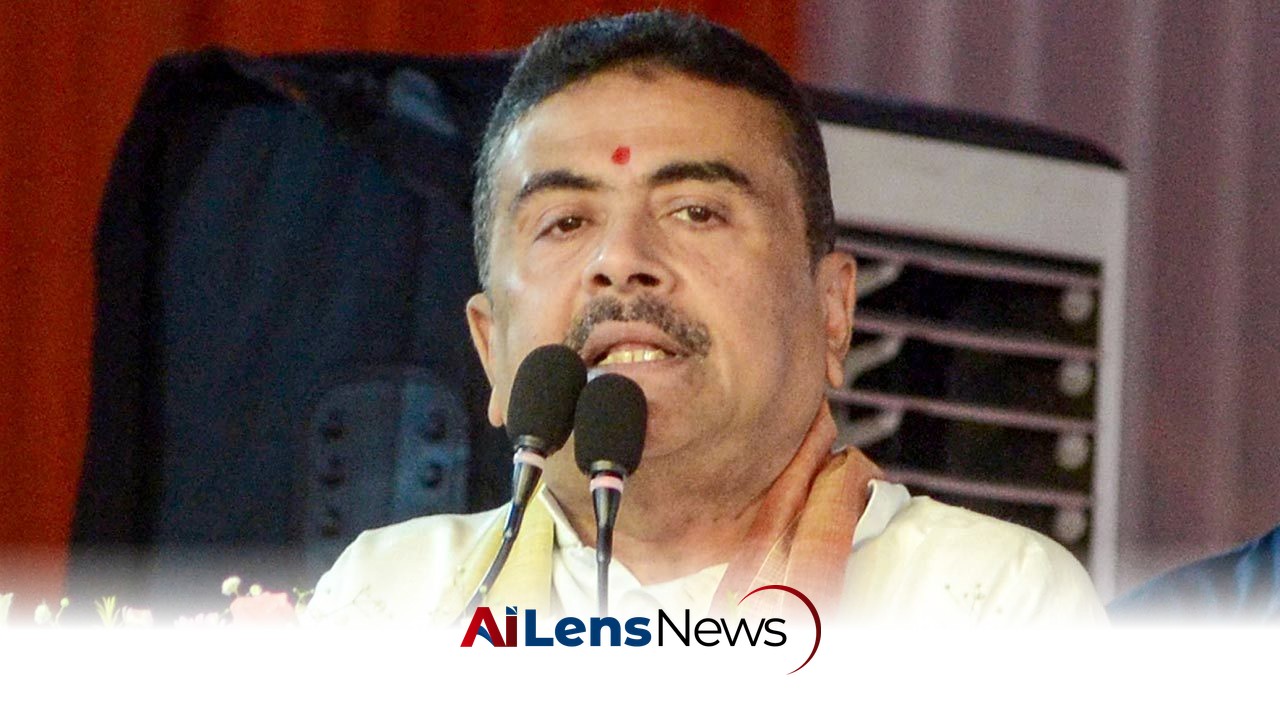


West Bengal Chief Minister Suvendu Adhikari condemned the assault on journalists during a protest over the NEET paper leak in Kolkata, assuring strict action against the perpetrators.
Kolkata, India Jul 25, 2026 ALN: Kolkata: West Bengal Chief Minister Suvendu Adhikari on Friday strongly condemned the assault on journalists during a protest over the NEET paper leak in Kolkata, describing mediapersons as “our asset” and assuring that those responsible had been identified and would face strict action.
The National Eligibility cum Entrance Test (NEET) is a highly competitive exam in India, serving as a gateway for students aspiring to enter medical colleges across the country. This examination is critical for thousands of students each year, as it determines their eligibility for admission into various medical programs. Recent allegations of irregularities concerning the NEET examination have sparked widespread protests among students, educators, and various political organizations. The protests in Kolkata were fueled by claims of a paper leak that could undermine the integrity of the examination process, affecting countless students who depend on fair assessments for their future careers.
In the wake of these allegations, students have expressed their frustration and anger, rallying together to demand accountability and transparency in the examination process. The protests have not only highlighted concerns regarding the NEET exam but also broader issues within the education system in India, including calls for reforms to ensure that examinations are conducted fairly and transparently.
Adhikari visited the injured journalists at the state-run SSKM Hospital in the evening, where several reporters and camerapersons were admitted after they were allegedly attacked while covering a demonstration against NEET irregularities and demanding the resignation of Union Education Minister Dharmendra Pradhan. The protests have underscored the importance of media coverage in documenting such events, especially when public sentiment is charged and the stakes are high. The role of journalists in bringing attention to these issues is crucial, as they serve as the eyes and ears of the public, informing citizens about developments that may affect their lives.
“Journalists are our asset. They work by putting their lives at risk,” Adhikari said after enquiring about the condition of the injured mediapersons. He directed hospital authorities to ensure proper treatment for the journalists and stated that the state government would take strict action against those behind the assault. This statement underscores the critical role that journalists play in documenting events, especially in politically charged environments where tensions can escalate quickly. The commitment of the government to protect journalists is vital for fostering an environment where the media can operate freely and without fear of violence.
“We have identified the attackers. Please wait; appropriate action will be taken,” Adhikari said. The chief minister also praised the conduct of the police during the protest. His remarks regarding the police's restraint are significant, as they reflect the ongoing challenges law enforcement faces in managing protests that can quickly turn violent. The balance between maintaining order and protecting the rights of citizens to express dissent is a delicate one, particularly in a politically diverse state like West Bengal, where various factions may have conflicting interests.
“Today the police showed tremendous restraint,” he said. The violence took place during a march organized by Left-backed student organizations and the Cockroach Janta Party from Sealdah to Esplanade. A section of the protesters allegedly turned on journalists covering the demonstration. This incident raises questions about the dynamics between different political factions in the region and their treatment of the media, especially in contexts where political narratives clash. The relationship between the media and political groups is complex, and incidents like this can further strain those interactions.
A television journalist was attacked while reporting live from Dorina Crossing, where a group of youths allegedly surrounded him, shouted “loser, loser” and assaulted him. He was later admitted to SSKM Hospital. Several other journalists injured in the incident were also undergoing treatment there. The targeting of journalists during protests is not a new phenomenon in India, but it highlights a growing concern regarding press freedom and the safety of reporters in the line of duty. The ability of journalists to report freely is essential for a functioning democracy, and any threats to their safety can have a chilling effect on the media's ability to hold power to account.
The Kolkata Press Club also condemned the attack, saying the targeting of reporters and photojournalists during protests was “an extremely dangerous trend” and demanded that those responsible be brought to justice. The Press Club's statement reflects a broader sentiment among media organizations in India, which have increasingly voiced concerns over the safety of journalists amid rising instances of violence and intimidation against the press. This growing trend of violence against journalists raises alarms about the state of press freedom in the country, where reporters are often caught in the crossfire of political conflicts and social unrest.
A section of the protesters, however, denied any involvement in the violence, claiming their program was peaceful and asserting that those who attacked the journalists were not associated with the demonstration. This denial points to the complexities of protest movements in India, where diverse groups may have differing agendas and where the actions of a few can tarnish the reputation of many. The assertion also indicates a desire among some protesters to distance themselves from the violence, which could undermine their cause. This division within the protest movement can complicate the narrative surrounding the events and may affect public perception of the protests as a whole.
Police were examining CCTV footage and other evidence to identify all those involved in the attacks, a senior police officer said. The investigation into the incident is crucial, as it not only seeks to bring the perpetrators to justice but also serves as a deterrent against future violence towards journalists. The scrutiny of such incidents is vital for maintaining the integrity of public discourse and ensuring that the media can operate without fear of retribution. The outcome of this investigation will likely have implications for how protests are managed in the future and how the government responds to instances of violence against the press.
In the broader context, the incident raises important questions regarding the relationship between the media, civil society, and the state in India. As protests become more common in response to various socio-political issues, the role of journalists as watchdogs becomes increasingly significant. The ability of the press to report on these events without fear of violence is essential for fostering an informed citizenry and ensuring accountability from those in power. The media's role in shaping public opinion and influencing policy cannot be overstated, making their safety and freedom paramount to the health of democracy.
As the investigation unfolds, it will be essential for all stakeholders, including the government, law enforcement, and civil society, to reaffirm their commitment to protecting the rights of journalists and ensuring that the media can operate freely. The implications of this incident extend beyond the immediate context of the NEET protests, touching on fundamental issues of press freedom, public safety, and the right to dissent in a democracy. The ability of citizens to express their grievances and the media's role in facilitating that expression are cornerstones of democratic governance. Ensuring that journalists can perform their duties without fear of violence is essential for upholding these democratic values.
To learn more about the latest developments in Crime & Law, stay updated with our exclusive reports and analyses on AiLensNews.

