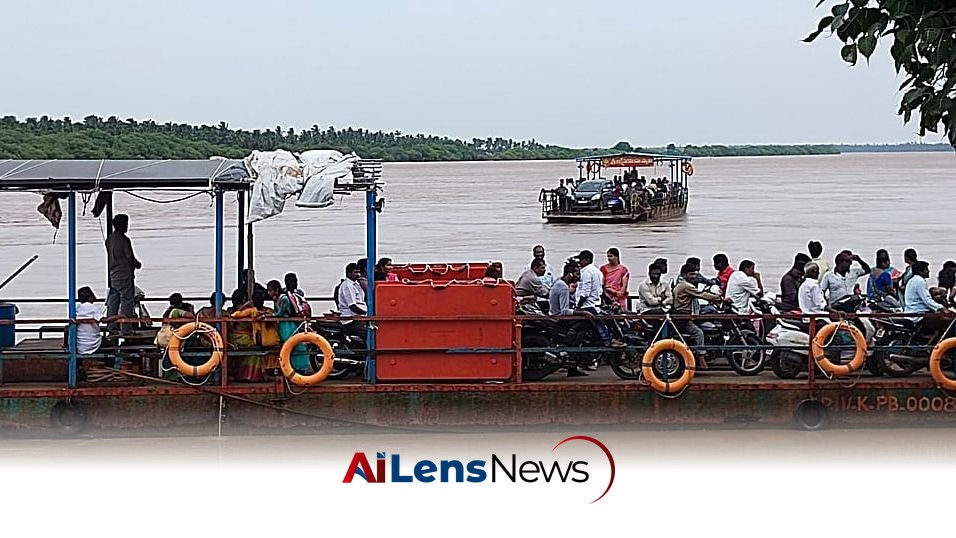


The long-awaited Vasishta Bridge project in Andhra Pradesh is gaining momentum with government initiatives, aiming to enhance connectivity and economic growth.
New Delhi, India Jul 13, 2026 ALN: The long-pending proposal to construct a bridge across the Vasishta Godavari between Narasapuram and Sakhinetipalli has finally gained momentum, with both the Central and State governments initiating concrete steps. Estimated at ₹580 crore, the project had faced repeated delays despite successive foundation stone ceremonies. These delays have raised concerns among local residents and stakeholders about the impact on regional development and connectivity.
The history of the Vasishta Bridge project dates back several years, reflecting the growing need for improved infrastructure in the region. The Vasishta Godavari is a significant waterway in Andhra Pradesh, and the lack of adequate crossing points has long hindered transportation and economic activities. The bridge is expected to alleviate these issues, providing a vital link for residents and businesses in the area.
Initially, the project was designed to connect Narasapuram and Sakhinetipalli directly. However, the previous YSR Congress Party (YSRCP) government revised the alignment of the bridge. The new plan aims to connect Rameswaram in the Dr BR Ambedkar Konaseema district with Rajulanka in the Narasapur Rural mandal. This change in alignment reflects a strategic decision to enhance connectivity not just between two towns but also to integrate more regions into the economic framework of the state.
Former Chief Minister YS Jagan Mohan Reddy formally launched the project during a public meeting in Narasapur, which underscored the political commitment to advancing infrastructure projects in the state. However, despite the ceremonial launch, construction stalled due to various administrative and technical hurdles. These challenges included bureaucratic delays, land acquisition issues, and the need for thorough environmental assessments, all of which are common obstacles in large infrastructure projects.
Under the revised plan, the project will include a comprehensive infrastructure layout. This involves a 14-km approach road linking National Highway 216 (NH-216) at Gudimellanka to Rameswaram, which is crucial for ensuring that the bridge is accessible and can effectively serve its intended purpose. Additionally, a major bridge will be constructed across the Vasishta Godavari between Rameswaram and Rajulanka, along with a 7-km connecting road through Lakshmaneswaram to NH-216 at Seetharampuram. These components are designed to create a seamless transportation network that will enhance the flow of traffic and commerce in the region.
As the project progresses, the National Highways Authority of India (NHAI) is overseeing the bidding process for construction. According to N Srinivas, Deputy Engineer of the NHAI, four contractors have submitted bids for the project. The technical evaluation of the tender documents is currently underway in New Delhi, and construction will begin once the scrutiny is complete and the contract is awarded. This meticulous evaluation process is essential to ensure that the project is executed by a competent contractor capable of meeting the technical and safety standards required for such a significant infrastructure venture.
Water Resources Minister Nimmala Ramanaidu has expressed optimism about the project's future, stating that it would be a game changer for rapid economic and infrastructural development in the Konaseema and Narasapuram regions of West Godavari district. The minister's remarks highlight the anticipated benefits of the bridge, which are expected to extend beyond mere transportation improvements. The bridge is likely to facilitate faster movement of people and goods, thereby boosting trade and tourism in the twin Godavari districts.
The implications of the Vasishta Bridge project extend into various sectors, including agriculture, commerce, and tourism. The Godavari delta is known for its rich agricultural output, and improved connectivity could enhance farmers' access to markets, thereby increasing their income potential. Additionally, the bridge could attract more tourists to the region, known for its natural beauty and cultural heritage, further stimulating local economies.
In terms of timeline, Minister Ramanaidu has expressed confidence that the project would be completed by 2029. He assured that there would be no shortage of funds, indicating strong government backing for the initiative. Furthermore, he emphasized that construction activities would be expedited once work commences to ensure the timely completion of this prestigious project. The commitment to a 2029 completion date provides a clear framework for stakeholders and residents who are eager for the benefits the bridge will bring.
As the project moves forward, it will be crucial for local communities to remain engaged and informed about developments. Public consultations and updates from government officials can help to build trust and ensure that the concerns of residents are addressed. The successful implementation of the Vasishta Bridge project could serve as a model for future infrastructure initiatives in Andhra Pradesh and beyond, showcasing the importance of collaboration between government entities and local stakeholders in realizing ambitious development goals.
In conclusion, the Vasishta Bridge project represents a significant step towards enhancing infrastructure and connectivity in Andhra Pradesh. With a budget of ₹580 crore and a revised plan that promises to integrate various regional areas, the project is poised to bring about transformative changes in transportation, trade, and tourism. As the technical evaluations conclude and construction begins, the focus will shift to ensuring that the project is completed on time and meets the expectations of the communities it aims to serve. The successful realization of this project could lead to a ripple effect of economic growth and improved quality of life for residents in the region.
The Vasishta Bridge project is not just a local initiative but reflects broader trends in infrastructure development across India. As the country seeks to modernize its transportation networks and improve connectivity, projects like the Vasishta Bridge highlight the importance of strategic planning and investment in public works. This initiative aligns with the Indian government's goals of enhancing regional connectivity and promoting economic growth through infrastructure development.
Furthermore, the project underscores the critical role of public-private partnerships in the execution of large-scale infrastructure projects. By engaging with private contractors and ensuring competitive bidding processes, the government aims to leverage expertise and efficiency from the private sector, which can lead to better project outcomes. The involvement of multiple stakeholders, including local communities, government agencies, and contractors, is essential for the project's success and sustainability.
As the Vasishta Bridge project progresses, it will also serve as a litmus test for future infrastructure projects in the region. The ability to navigate bureaucratic challenges, engage local communities, and ensure timely execution will be closely watched by other states and regions looking to undertake similar initiatives. The lessons learned from the Vasishta Bridge project could inform best practices and strategies for future infrastructure development across India.
In summary, the Vasishta Bridge project stands as a significant development for Andhra Pradesh, promising to enhance connectivity, boost economic activity, and improve the quality of life for residents. With strong governmental support and a clear vision for the future, the project is positioned to make a lasting impact on the region's infrastructure landscape.
To learn more about the latest developments in Local & Regional, stay updated with our exclusive reports and analyses on AiLensNews.

