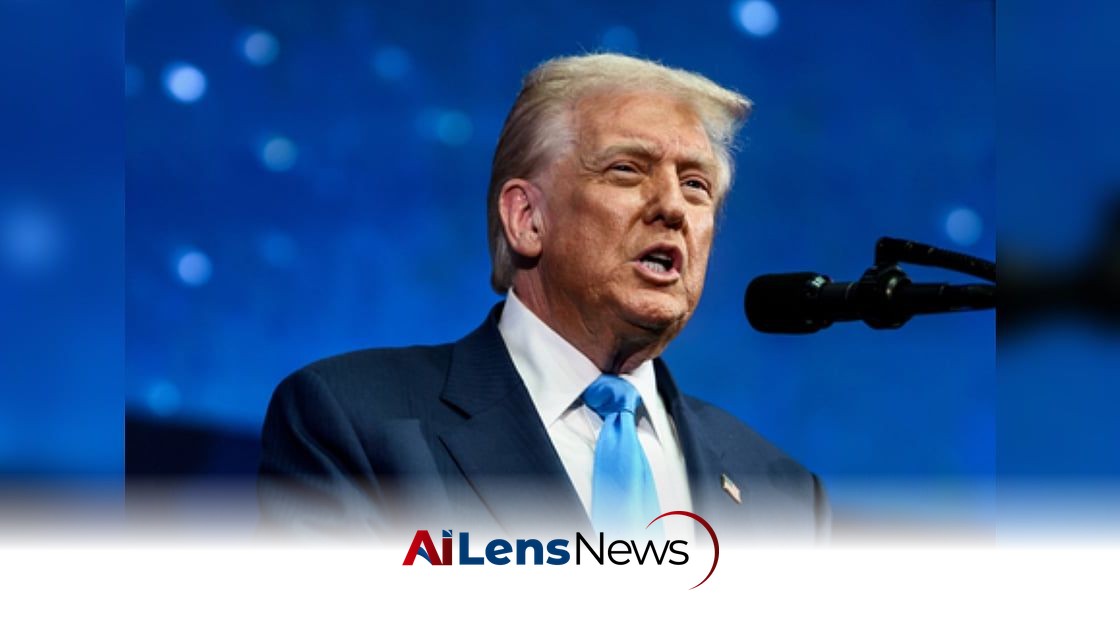


President Trump announces significant tariffs on imported generic medicines, impacting India's pharmaceutical exports and aiming to boost domestic production.
New Delhi, India Jul 22, 2026 ALN: US President Donald Trump on Wednesday announced steep tariffs on imported generic medicines from August 2028, asserting that the move is aimed at onshoring the manufacturing of such pharmaceutical products. The announcement has stirred significant discussion about the implications for both the pharmaceutical industry and global trade dynamics.
The decision to impose tariffs on generic medicines comes at a time when the United States is increasingly focused on reshoring manufacturing jobs to bolster domestic production capabilities. This initiative is part of a broader economic strategy designed to reduce reliance on foreign suppliers, particularly in sectors deemed critical to national health and security. The move could significantly affect India, which is the largest exporter of generic drugs to the US, accounting for a substantial portion of the American pharmaceutical market.
In a post on Truth Social, Trump stated that beginning August 1, the US will maintain a zero percent tariff on all generic drugs brought into the country for two years. After this period, the tariff is set to increase to 100 percent for one year, followed by an even steeper increase to 200 percent thereafter. This tiered approach to tariffs is designed to provide a window for companies to adjust their operations and establish manufacturing facilities within the United States.
"Effective August 1st, 2026, all Generic Drugs being brought into the United States will continue to have a TARIFF of ZERO PERCENT for two years, after which the TARIFF will be raised to 100 percent for one year, and 200 percent thereafter," Trump stated. This timeline underscores the administration's commitment to incentivizing domestic production while penalizing companies that choose not to invest in American manufacturing infrastructure.
Trump emphasized that the primary objective of this policy is to protect the health and well-being of the American populace. "The Policy on Patented, Branded, or Innovative Drugs, which has been so successful, will remain as it is," he noted, suggesting that the administration believes that fostering local production of generics will contribute to better healthcare outcomes and reduced drug prices in the long run.
India is often referred to as the "pharmacy of the world," as it supplies generic medicines to countries worldwide. In 2025, India exported USD 9.7 billion worth of pharmaceuticals to the US, which accounted for 38 percent of its total global pharma exports of USD 25.8 billion, according to a Global Trade Research Initiative. Indian generic medicines are widely prescribed for various health conditions, including hypertension, diabetes, cancer, infectious diseases, and mental health disorders.
The announcement of the tariffs follows recent comments from US Trade Representative Jamieson Greer, who indicated in an interview with the New York Times that the US was planning to impose additional tariffs to recreate levies that had been struck down by the Supreme Court earlier this year. This context highlights the administration's ongoing efforts to address trade imbalances and perceived unfair practices in the global marketplace.
The Trump administration's plans to impose new tariffs of 10 to 12.5 percent on as many as 60 countries, including India, are being justified by investigations into alleged forced-labour practices and unfair trade policies. The administration is framing these tariffs as necessary measures to protect American jobs and ensure fair competition in the global economy.
Greer made it clear that the tariff policy is driven purely from an economic perspective rather than a foreign policy approach. "This is not a foreign policy shop. This is an economics shop here. And so when I look at someone like the European Union that blocks American agricultural goods for specious, nonscientific reasons, that's a problem. Friend or foe, that's an issue," he stated in response to questions about the potential impact of the tariff policy on traditional allies.
The implications of these tariffs on generic medicines are multifaceted. For American consumers, the introduction of such high tariffs could lead to increased prices for widely used medications, particularly if domestic production does not ramp up quickly enough to meet demand. This could exacerbate existing concerns about drug affordability and access to essential treatments.
For Indian pharmaceutical companies, the tariffs represent a significant challenge. The US market is a critical component of their export strategy, and the imposition of such high tariffs could lead to a reevaluation of their business models. Companies may need to consider relocating some manufacturing operations to the US or investing in new facilities to mitigate the financial impact of the tariffs.
Moreover, the tariffs could lead to broader ramifications in international trade relations. Countries that rely heavily on exporting generic medicines to the US may seek to retaliate or negotiate alternative trade agreements to counteract the economic effects of the tariffs. This could lead to a more fragmented global trade environment, with countries increasingly looking inward to bolster their domestic industries.
In conclusion, the announcement of heavy tariffs on imported generic medicines marks a significant shift in US trade policy, reflecting a growing trend towards protectionism and domestic manufacturing. As the implementation date approaches, stakeholders across the pharmaceutical industry are likely to engage in discussions about how best to navigate the challenges posed by these tariffs, while policymakers will need to consider the broader implications for public health and international trade.
Understanding the broader context of this decision requires examining the evolution of US trade policy and its impact on global markets. Over the past few decades, the US has seen a significant offshoring of manufacturing jobs, particularly in the pharmaceutical sector, leading to concerns about job losses and economic dependency on foreign suppliers. The COVID-19 pandemic further highlighted vulnerabilities in global supply chains, prompting a reevaluation of the risks associated with relying on imports for essential goods, including medicines.
The pharmaceutical industry is particularly sensitive to changes in trade policy, as it operates in a highly regulated environment with significant barriers to entry. The imposition of tariffs could disrupt established supply chains, leading to increased costs not only for manufacturers but also for consumers and healthcare providers. The potential for reduced access to affordable medications, especially for low-income populations, raises ethical questions about the balance between protecting domestic industries and ensuring public health.
Moreover, the global pharmaceutical landscape is characterized by intense competition and innovation. As countries like India continue to invest in their pharmaceutical sectors, the US may face challenges in maintaining its leadership position in drug development and manufacturing. The tariffs could inadvertently stifle collaboration and knowledge exchange that are essential for advancing medical research and improving healthcare outcomes globally.
In light of these complexities, stakeholders from various sectors, including healthcare providers, patient advocacy groups, and pharmaceutical companies, will likely engage in advocacy efforts to influence policymakers. The dialogue surrounding these tariffs will encompass a range of perspectives, from those advocating for domestic job creation to those emphasizing the importance of affordable access to medicines.
Ultimately, the implementation of these tariffs will serve as a litmus test for the administration's broader economic strategy, which seeks to balance domestic interests with the realities of an interconnected global economy. As the deadline approaches, the outcomes of this policy decision will have lasting implications for the future of the pharmaceutical industry, international trade relations, and public health in the United States and beyond.
To learn more about the latest developments in Health & Public Safety, stay updated with our exclusive reports and analyses on AiLensNews.

