

The US military has conducted airstrikes targeting Iran's Revolutionary Guard in retaliation for the deaths of American troops in Jordan, escalating tensions in the region.
New Delhi, India Jul 19, 2026 ALN: The US military launched airstrikes on Sunday targeting Iran's paramilitary Revolutionary Guard in a significant escalation of hostilities between the two nations, which have been embroiled in a complex and multifaceted conflict for decades. This military action comes in direct response to the killing of American troops in Jordan, marking a pivotal moment in the ongoing tensions surrounding the Strait of Hormuz, a vital waterway for global oil transportation.
The airstrikes are part of a weeklong campaign that has seen Iran retaliate against US-allied countries across the Middle East. This escalation follows the collapse of an interim deal that was intended to bring a resolution to the ongoing conflict between the US and Iran, a situation that has been fraught with volatility since the US withdrew from the Iran nuclear deal in 2018.
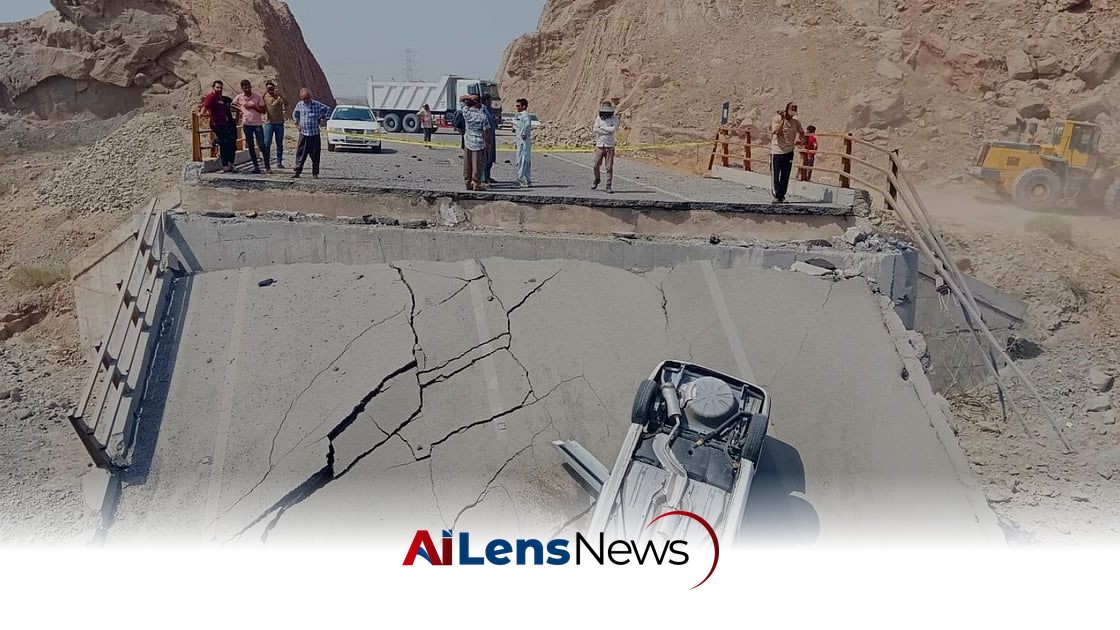
The US military has targeted a range of infrastructure in Iran, including bridges, electrical facilities, and other critical assets. In retaliation, Iran has struck power and desalination plants in Kuwait, threatening the daily lives of residents in this small, oil-rich nation. The Iranian leadership has also ramped up its rhetoric, indicating a willingness to expand its military operations, which has prompted warnings from neighboring countries, including the United Arab Emirates (UAE), which is home to major cities like Abu Dhabi and Dubai.
The US Central Command confirmed that the latest strikes specifically targeted the Revolutionary Guard, a key military and political entity in Iran that plays a crucial role in the country’s defense strategy and controls its ballistic missile arsenal. The airstrikes included attacks on Iranian military coastal surveillance and air defense facilities, as well as maritime capabilities and missile and drone storage sites. This marks a significant shift in US military strategy, as it explicitly identifies the Revolutionary Guard as a target, reflecting the increasing urgency of the situation.
Footage released by the US military shows airstrikes conducted by fighter jets and Tomahawk cruise missiles launched from naval vessels. The targets included locations in mountainous regions where the Revolutionary Guard often conceals its military assets. This strategic choice underscores the complexities of conducting military operations against an adversary that has fortified its positions in challenging terrain.
As the conflict escalates, Iran has not provided comprehensive information regarding its losses from the US airstrikes, which have now entered their eighth day. This ongoing military confrontation has significant implications for the Strait of Hormuz, a crucial maritime corridor through which approximately one-fifth of the world’s oil and natural gas is transported during peacetime. Control over this strategic waterway has long been a focal point of US-Iranian tensions.
The recent Iranian attack on a US base in Jordan resulted in the deaths of two American service members, with one still unaccounted for and four others hospitalized. Since the onset of hostilities, the US has reported a total of 16 service members killed and over 430 wounded, highlighting the human cost of this conflict. In contrast, Iranian authorities have claimed that at least 50 people have died and more than 500 have been injured as a result of the US strikes, although these figures have not been independently verified.
As tensions continue to rise, nearly every Gulf Arab state has been targeted by Iranian retaliatory strikes. A missile alert was issued in Saudi Arabia, signaling the widespread concern regarding Iranian military capabilities. However, the UAE has thus far avoided direct attacks. In light of escalating threats, particularly from Iranian news outlets close to the Revolutionary Guard, the UAE's Foreign Ministry issued a statement urging restraint and caution. The Emirati government emphasized the importance of avoiding actions that could lead to further violence and instability in the region.
The Iranian news agency Fars, which is believed to have close ties to the Revolutionary Guard, issued a warning to the UAE, stating that continued strikes on Iranian civilian infrastructure would necessitate the evacuation of airports in Dubai and Abu Dhabi, as well as ports in Fujairah and Jebel Ali. This threat underscores the precarious security situation in the region and the potential for broader conflict.
In response to these developments, the UAE has called for the exercise of utmost restraint to prevent dangerous repercussions that could further destabilize the region. The UAE’s Foreign Ministry characterized the targeting of civilian infrastructure as a grave violation of international law, asserting that such actions cannot be justified under any circumstances. This statement reflects the UAE's position as a key player in the Gulf Cooperation Council (GCC), which has been vocal in condemning Iranian military actions.
Jasem Mohamed al-Budaiwi, the secretary-general of the GCC, accused Iran of committing war crimes through its strikes on civilian infrastructure. This accusation highlights the growing concern among Gulf states regarding Iran's military tactics and their implications for regional security.
The US has intensified its military campaign in response to what it perceives as Iranian aggression in the region. Former President Donald Trump had previously threatened to target Iran's power stations and bridges in an effort to compel Tehran to relinquish its control over the Strait of Hormuz. Recent military actions suggest that the US is implementing this strategy, with a focus on coastal areas of Iran adjacent to the strait.
In addition to the airstrikes, the US has reimposed a naval blockade on Iranian ports to disrupt oil shipments, a tactic aimed at crippling Iran's economy and limiting its military capabilities. The US military reported that it had redirected five ships and disabled one vessel during this period, further demonstrating its commitment to countering Iranian influence in the region.
Iran's Supreme Leader Mojtaba Khamenei issued a stark warning, stating that the US would face "unforgettable lessons" if it continued its attacks on Iran. This rhetoric signals a potential escalation in hostilities and reflects Iran's determination to respond to perceived threats against its sovereignty and national security. An Iranian negotiator also announced that Tehran was suspending its commitments to the interim deal, which had been aimed at achieving a lasting resolution to the conflict.
In a joint statement, Iran's military command declared that any US actions characterized by "covetousness, bullying, totalitarianism or brutality" would be met with a "devastating response." This declaration underscores the high stakes involved in the current conflict and the potential for further escalation as both sides navigate their respective military and diplomatic strategies.
The situation remains fluid, and the implications of these military actions extend beyond the immediate conflict, potentially impacting global oil markets, regional alliances, and the broader geopolitical landscape. As both the US and Iran continue to engage in military operations and rhetoric, the international community watches closely, aware that the outcomes of this conflict could shape the future of Middle Eastern politics and security for years to come.
To learn more about the latest developments in World News & International Affairs, stay updated with our exclusive reports and analyses on AiLensNews.

