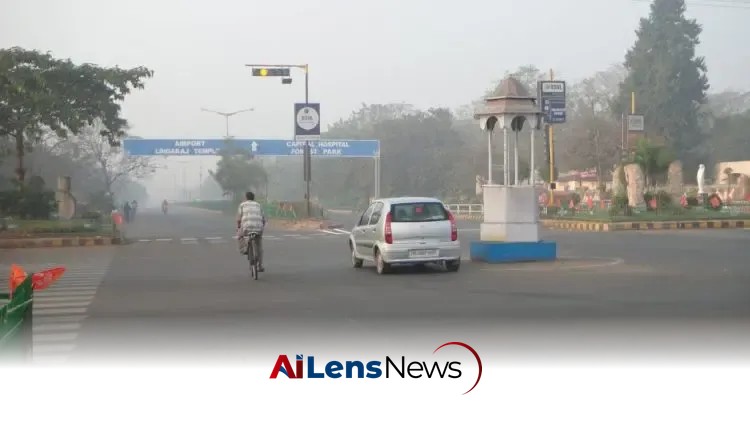


Ahead of President Droupadi Murmu's visit to Odisha from August 3 to 5, police have announced traffic restrictions in Bhubaneswar and Kataka to ensure security and smooth movement.
New Delhi, India Jul 30, 2026 ALN: Bhubaneswar: A detailed traffic advisory was issued by the police on Thursday ahead of the visit of President Droupadi Murmu to Odisha from August 3 to 5, during which she is scheduled to attend various programmes in Bhubaneswar and Kataka. This visit marks an important occasion, as it not only highlights the role of the President in engaging with regional issues but also underscores the significance of Odisha in the national political landscape.
President Droupadi Murmu, who took office in July 2022, is the first tribal woman to hold the position of President of India. Her visit to Odisha is particularly noteworthy given her roots in the state, where she has previously served in various capacities, including as the Governor of Jharkhand. Her connection to Odisha is expected to resonate with the local populace, and her presence is likely to draw attention to various developmental initiatives and government programmes aimed at uplifting tribal communities and other marginalized groups.
The advisory issued by the Bhubaneswar-Kataka Commissionerate Police stated that temporary traffic restrictions would be enforced on several major roads in the Twin Cities to ensure the dignitary’s security and facilitate smooth vehicular movement. The restrictions have been imposed under the provisions of the Odisha Urban Police Act, 2003 and the Bhubaneswar-Kataka Police Commissionerate (Traffic and Public Order) Regulations, 2008. These legal frameworks provide the police with the authority to manage traffic and ensure public safety during significant events, especially those involving high-profile individuals.
According to the advisory, no vehicles will be permitted on designated stretches and their connecting lanes during specified time slots. The traffic management plan is essential not only for the safety of the President but also for maintaining order in the bustling urban environment of Bhubaneswar and Kataka, which are known for their heavy traffic and vibrant economic activities. The presence of the President is expected to attract a large number of attendees and media personnel, further necessitating these measures.
On August 3 (Monday), traffic restrictions will remain in force from 2.10 pm to 2.30 pm on the route connecting Airport Square, Hospital Square, AG Square, and Lok Bhavan Square in Bhubaneswar. This route is significant as it connects key locations, including the airport and various government offices. Further restrictions will be imposed from 3.50 pm to 4.50 pm and 5.50 pm to 6.50 pm on key arterial roads passing through Lok Bhavan Square, Power House Square, 120 Battalion Square, Sastri Nagar Square, Behera Sahi Square, Jaydev Vihar Square, XIMB Square, NALCO Square, Damana Square, Patia Square, KIIT Square, Nandankanan Square, Baranga Golei, Block Chhak, Godi Sahi Chhak, Canal Road, and Banara Chhak. These areas are not only crucial for local commuters but also serve as vital conduits for commercial activities.
On August 4 (Tuesday), traffic movement will be restricted between 8.30 am and 8.50 am on the route from Lok Bhavan Square to the designated venue via AG Square, Raj Mahal Square, Master Canteen Golei, U-turn, UCO Bank Lane, and the left turn to the venue. This timing suggests that the President may be attending morning engagements, which are often pivotal for public interactions and media coverage. Such engagements can include meetings with local leaders, discussions on policy matters, and outreach to the community, further emphasizing the importance of her visit.
On August 5 (Wednesday), restrictions will be in effect from 12.30 pm to 12.50 pm on the route linking Bhubaneswar Railway Station, UCO Bank Lane, Raj Mahal Square, AG Square, Hospital Square, and Airport Square. The inclusion of the railway station in the traffic advisory indicates the potential for the President to arrive or depart by train, which is a common mode of transportation for dignitaries in India. This aspect of her travel underscores the importance of railway connectivity in the country, particularly in facilitating the movement of leaders and officials across vast distances.
The advisory also states that on August 3, goods carriers, including six-wheelers and above, buses, trucks, and trailers travelling from Bhubaneswar or Khordha towards Kataka, as well as those coming from the Kataka side via Balikuda Square towards Bhubaneswar or Pitapalli Square, will not be allowed to operate during the notified restriction periods. This measure is intended to reduce congestion and enhance security during the President's movement. The impact of such restrictions can be significant, particularly for commercial transport and logistics, which rely on these routes for timely deliveries and operations. Businesses dependent on these routes may need to adjust their schedules and operations to accommodate the traffic restrictions.
The restrictions, however, will not apply to emergency service vehicles such as fire tenders, ambulances, and police vehicles. This exception is crucial as it ensures that essential services can continue to operate without hindrance, even during heightened security measures. The police have emphasized the importance of maintaining public safety and ensuring that emergencies can be addressed promptly, regardless of the traffic situation.
The police have urged commuters to plan their journeys in advance, use alternate routes wherever feasible, and cooperate with the traffic police to ensure smooth traffic management during the President’s visit. This call for public cooperation is particularly important as it reflects the collaborative effort required from both the authorities and the public to maintain order during such high-profile events. Traffic management during visits by national leaders is a common practice in many countries, reflecting the need for balancing security with public accessibility. The engagement of local communities and stakeholders in understanding and adapting to traffic changes is vital for minimizing disruptions.
In conclusion, President Droupadi Murmu's visit to Odisha is not only a significant political event but also a moment that highlights the intersection of governance, security, and public engagement. The traffic restrictions set to be enforced during her visit are a necessary measure to ensure her safety and the smooth functioning of the city. As the visit approaches, it will be important for both the authorities and the public to remain informed and adaptable to the changes in traffic patterns, ensuring that the visit is successful and serves its intended purpose of fostering closer ties between the national leadership and the local populace. Overall, this visit is anticipated to enhance the relationship between the central government and the people of Odisha, particularly in addressing local issues and promoting inclusive development for all communities.
To learn more about the latest developments in Crime & Law, stay updated with our exclusive reports and analyses on AiLensNews.

