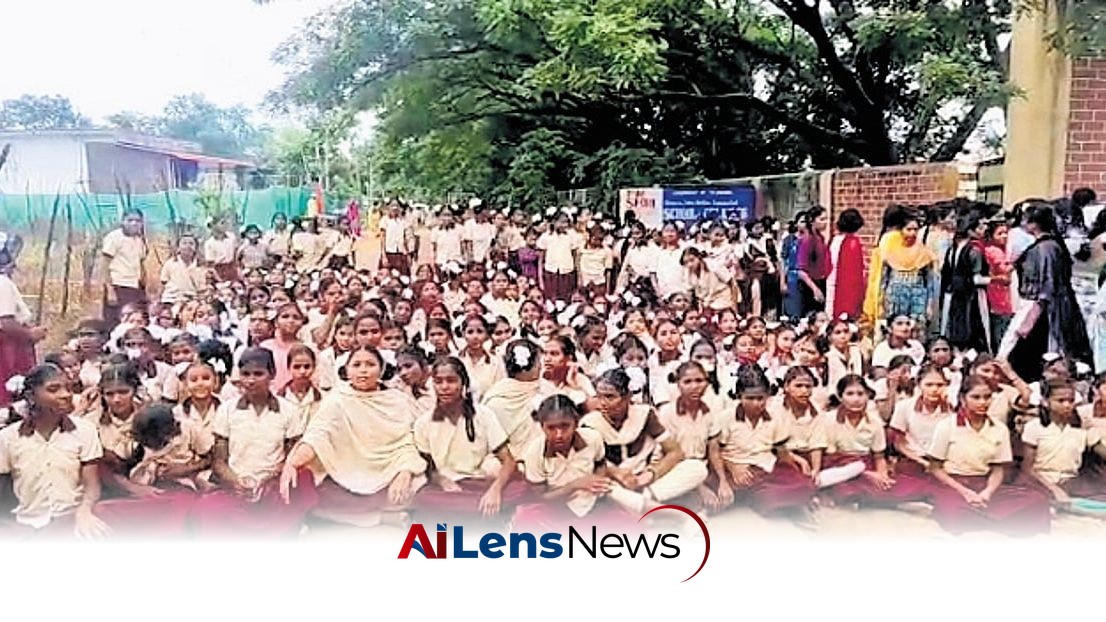


Students at the Tribal Welfare Residential School for Girls in Mahabubnagar staged a protest demanding immediate water supply for their hostel and daily needs.
Hyderabad, India Jul 17, 2026 ALN: Students of the Tribal Welfare Residential School and College for Girls staged a significant protest on Thursday morning, boycotting their classes in response to a pressing water crisis that has plagued their institution. The protest took place outside the school campus in Gandhi Nagar, which serves as the headquarters of Kothaguda mandal in Mahbubabad district. The students raised their voices in unison, demanding immediate action to rectify the dire situation concerning drinking water and water for daily use at their hostel.
The students have been grappling with an acute water shortage for over a month, a situation that has escalated into a serious concern for their health and hygiene. They reported that the irregularity in water supply has severely impacted their ability to use the washrooms during the critical morning hours, leading to discomfort and distress among the students. Furthermore, they highlighted the lack of sufficient water for cleaning the bathrooms, which raises alarming questions about the overall hygiene and living conditions at the hostel facility.
In a conversation with the media, one student voiced her frustration, stating that the principal had previously requested each student to contribute a nominal fee of Rs 10 towards repair works that were purportedly aimed at addressing the water supply issues. Despite the students collectively paying this amount, the longstanding water supply problem remained unresolved. This situation has led to feelings of betrayal and anger among the students, particularly when they felt their concerns were met with indifference. The student also alleged that when they sought clarification regarding the lack of regular water supply, some teachers responded with harassment and threats, further exacerbating an already tense situation.
“We demand that the district authorities ensure an uninterrupted water supply and improve the basic amenities at the hostel,” the student firmly stated, encapsulating the collective sentiment of her peers. This protest not only highlights the immediate need for basic necessities but also underscores the broader issues of infrastructure and support for educational institutions serving marginalized communities.
The implications of this protest extend beyond the immediate demands for water. It brings to light significant challenges faced by tribal students in the region, who often contend with inadequate facilities and resources. The Tribal Welfare Residential School and College for Girls was established to provide quality education and support to tribal girls, a demographic that has historically faced educational disparities. However, incidents like this protest reveal that the basic infrastructural needs must be addressed to ensure that these students can thrive academically and personally.
In response to the protest, Panchayat Raj Minister Danasari Anasuya, also known as Seethakka, intervened by reaching out to the students via phone. During the conversation, she assured them that measures would be taken to restore a regular water supply at the hostel within a timeline of 12 hours. This prompt response from a government official illustrates the potential impact of student activism and the importance of governmental accountability in addressing the needs of educational institutions. Following the minister’s assurance, the students decided to call off their protest and returned to their classes, hopeful for a swift resolution to their grievances.
The situation at the Tribal Welfare Residential School and College for Girls is emblematic of a larger systemic issue affecting many educational institutions across rural and tribal regions in India. Access to clean drinking water is not merely a convenience; it is a fundamental human right. The lack of adequate water supply can lead to severe health issues, especially among young students whose bodies are still developing. Poor hygiene conditions can contribute to the spread of diseases, which can hinder students' ability to attend school regularly and perform academically.
Moreover, the protest highlights the critical role that student voices play in advocating for their rights and needs. In a society where marginalized communities often struggle to make their concerns heard, the actions of these students serve as a powerful reminder of the effectiveness of collective action. Their willingness to stand up for their basic rights not only fosters a sense of community among the students but also encourages others in similar situations to voice their concerns and seek solutions.
As the situation unfolds, it will be essential for local authorities and educational administrators to take proactive steps to ensure that such crises do not recur. This includes not only resolving the immediate water supply issues but also implementing long-term strategies to improve infrastructure and amenities at the hostel. Ensuring a reliable water supply is just one component of creating a conducive learning environment for students. Access to clean facilities, nutritious food, and safe living conditions are equally important in supporting the holistic development of students.
In conclusion, the protest at the Tribal Welfare Residential School and College for Girls in Mahabubnagar serves as a critical reminder of the ongoing challenges faced by students in tribal areas of India. The immediate response from government officials is a step in the right direction, but it is crucial that sustained efforts are made to address the underlying issues that contribute to such crises. The future of these students depends on the commitment of both governmental and educational institutions to prioritize their needs and ensure that they have access to the resources necessary for their education and well-being.
To understand the context of this protest, it is essential to consider the historical and socio-economic background of tribal communities in India. Tribal populations often inhabit remote areas, where access to basic amenities like water, sanitation, and education is severely limited. These communities have faced systemic neglect, leading to significant disparities in health, education, and economic opportunities compared to their non-tribal counterparts. The establishment of schools like the Tribal Welfare Residential School and College for Girls aims to bridge this gap by providing educational opportunities tailored to the unique needs of tribal girls, who are often the first in their families to pursue formal education.
Despite these efforts, challenges remain. Many tribal schools are underfunded and lack adequate facilities, which can hinder the educational experience of students. Issues such as water shortages, lack of sanitation, and insufficient infrastructure can discourage attendance and affect the overall learning environment. The recent protest highlights not only the immediate need for water but also the broader systemic issues that must be addressed to create a supportive and effective educational framework for tribal students.
The role of local government and educational authorities is crucial in ensuring that these institutions are equipped with the necessary resources to function effectively. Regular maintenance of infrastructure, timely resolution of grievances, and active engagement with students and parents are essential components of a responsive educational system. Moreover, fostering an environment where students feel safe to voice their concerns without fear of harassment is vital for promoting a culture of accountability and transparency.
In light of the protest, it is also important to consider the role of community involvement in supporting educational initiatives. Engaging local communities in the management of schools can lead to better outcomes, as they are often more attuned to the specific needs and challenges faced by students. Community-led initiatives can complement government efforts, ensuring that resources are allocated effectively and that the unique context of tribal education is respected and prioritized.
As the situation develops, the response from both government officials and educational administrators will be closely monitored by the students and the wider community. Their actions in the coming days will serve as a litmus test for their commitment to addressing the needs of marginalized populations. The hope is that this protest will not only lead to immediate improvements in water supply and sanitation but also spark a broader conversation about the importance of investing in the education and well-being of tribal students across India.
To learn more about the latest developments in Local & Regional, stay updated with our exclusive reports and analyses on AiLensNews.

