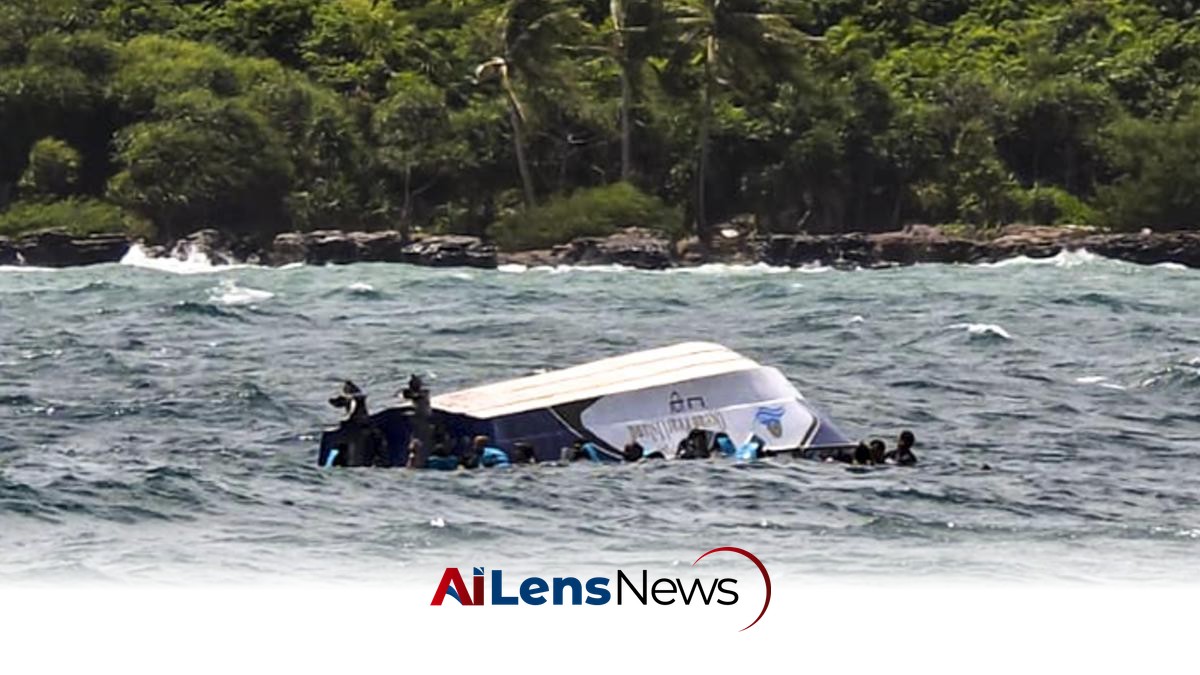


Survivors recount the tragic moments of a boat capsizing in Vietnam that claimed 15 lives, highlighting the need for improved safety measures.
Chennai, India Jul 14, 2026 ALN: The tragic capsizing of a boat off the coast of Vietnam has drawn attention to the dangers associated with maritime travel in the region, particularly for tourists. This incident, which involved a vessel carrying 32 Indian passengers and four crew members, has left a profound impact on the families of the deceased and the survivors who experienced the harrowing event. The growing popularity of Vietnam as a tourist destination has brought both opportunities and challenges, particularly in ensuring the safety of visitors engaging in maritime activities.
The boat departed from Hòn Mây Rút Ngoài island, a popular destination known for its picturesque beaches and crystal-clear waters. The island is a part of the Phú Quốc archipelago, which has been increasingly frequented by tourists looking to enjoy its natural beauty and vibrant marine life. However, shortly after setting sail, the boat encountered rough seas, leading to a catastrophic loss of balance. Survivors have recounted that the vessel began to tilt dramatically as it made a sharp turn, causing passengers to slide to one side. This sudden shift in weight ultimately resulted in the boat capsizing, with the tragedy occurring a mere 300 meters from the shore, a distance that typically would be considered safe for such excursions.
Among the survivors, S. Nirmalkumar from Palani has provided a chilling account of the events that unfolded. He described the situation on the boat just before the accident, noting that all passengers were wearing life jackets, which are typically provided for safety during such excursions. Despite this precaution, the rough seas created an unstable environment, and many passengers felt that the boat was overloaded. The design and capacity of tourist vessels in Vietnam have often been questioned, especially as the demand for such services has surged. Nirmalkumar's account illustrates how quickly the situation escalated, with the boat flipping over within three minutes of departure, a stark reminder of how swiftly maritime disasters can occur.
Ramasubbu, another survivor, echoed Nirmalkumar's sentiments and emphasized the need for better emergency medical response in such situations. He recounted how, as the boat began to capsize, many passengers attempted to escape, but those seated at the back were unable to do so. The rapidity of the capsizing left little time for organized evacuation, resulting in tragic consequences for those trapped inside the vessel. Ramasubbu noted that several individuals who were rescued from beneath the overturned boat were still alive when pulled out, but the lack of adequate medical resources on the shore hindered their chances of survival. He lamented the absence of sufficient medical personnel and equipment, stating that only a handful of doctors and oxygen cylinders were available at the scene. This highlights a critical gap in emergency preparedness, particularly in tourist hotspots where the influx of visitors may overwhelm local resources.
This incident has raised critical questions about maritime safety regulations in Vietnam, especially concerning the transportation of tourists. The country has seen a significant increase in tourism over the years, with many travelers seeking adventures in its coastal regions. However, as the number of tourists rises, so does the need for stringent safety measures to ensure their protection. The government and local authorities may need to reevaluate existing regulations regarding boat capacities, safety equipment, and emergency response protocols to prevent such tragedies from occurring in the future. The current framework may not adequately reflect the realities of increased maritime traffic and the diverse conditions that can arise in coastal waters.
In the aftermath of the accident, the families of the deceased have been left to grapple with their loss. Among the fifteen lives lost were individuals from various states in India, including ten from , three from Andhra Pradesh, and two from Kerala. The emotional toll on these families is compounded by the circumstances of the tragedy, as they await the return of their loved ones' bodies, which are scheduled to arrive in India on a forthcoming Monday. Such incidents not only affect the immediate victims and their families but also reverberate throughout communities, provoking discussions about safety and the responsibilities of travel operators.
The incident highlights the importance of not only adhering to safety protocols but also the need for effective communication and training for crew members operating tourist vessels. In many cases, crew members may lack the necessary training to handle emergencies, which can exacerbate the situation during crises. Ensuring that crew members are well-trained in emergency procedures, first aid, and evacuation strategies could significantly improve outcomes in future incidents. This could involve implementing standardized training programs and regular drills to prepare crew members for various scenarios they may encounter while at sea.
Moreover, the local government and tourism authorities must work collaboratively to enhance public awareness of maritime safety. This could involve campaigns to educate tourists about the risks associated with boat travel and the importance of following safety guidelines. Ensuring that tourists are informed about the safety measures in place and the capabilities of the vessels they are boarding can empower them to make safer choices. Such initiatives could also include the distribution of informational materials at hotels, travel agencies, and at the point of embarkation.
As investigations into the incident continue, there may be calls for accountability regarding the boat's operation and the conditions that led to the tragedy. Families of the victims and survivors may seek answers about the boat's maintenance history, the qualifications of the crew, and the safety measures that were in place at the time of the accident. Legal action could follow as families seek justice for their loved ones and push for reforms in maritime safety regulations. This could lead to broader discussions about the regulatory frameworks governing tourism and transportation in Vietnam, as well as the enforcement of existing laws.
The Vietnamese government has a responsibility to address these concerns and ensure that such tragedies do not happen again. By taking proactive measures to improve safety standards and enhance emergency response capabilities, authorities can help restore public confidence in maritime travel and protect the lives of both locals and tourists. This commitment to safety could also play a crucial role in maintaining the attractiveness of Vietnam as a tourist destination in an increasingly competitive global market.
As the community mourns the loss of life and grapples with the implications of this tragedy, the resilience of the survivors and their willingness to share their stories may ultimately contribute to positive change in the industry. Their accounts serve as a powerful reminder of the fragility of life and the importance of prioritizing safety in all aspects of travel. The stories of those who survived can serve as a catalyst for change, prompting not only governmental action but also inspiring travel companies to adopt best practices that prioritize the safety of their passengers. Ultimately, the hope is that through collective efforts, the lessons learned from this tragedy can lead to a safer maritime environment for all.
To learn more about the latest developments in Local & Regional, stay updated with our exclusive reports and analyses on AiLensNews.

