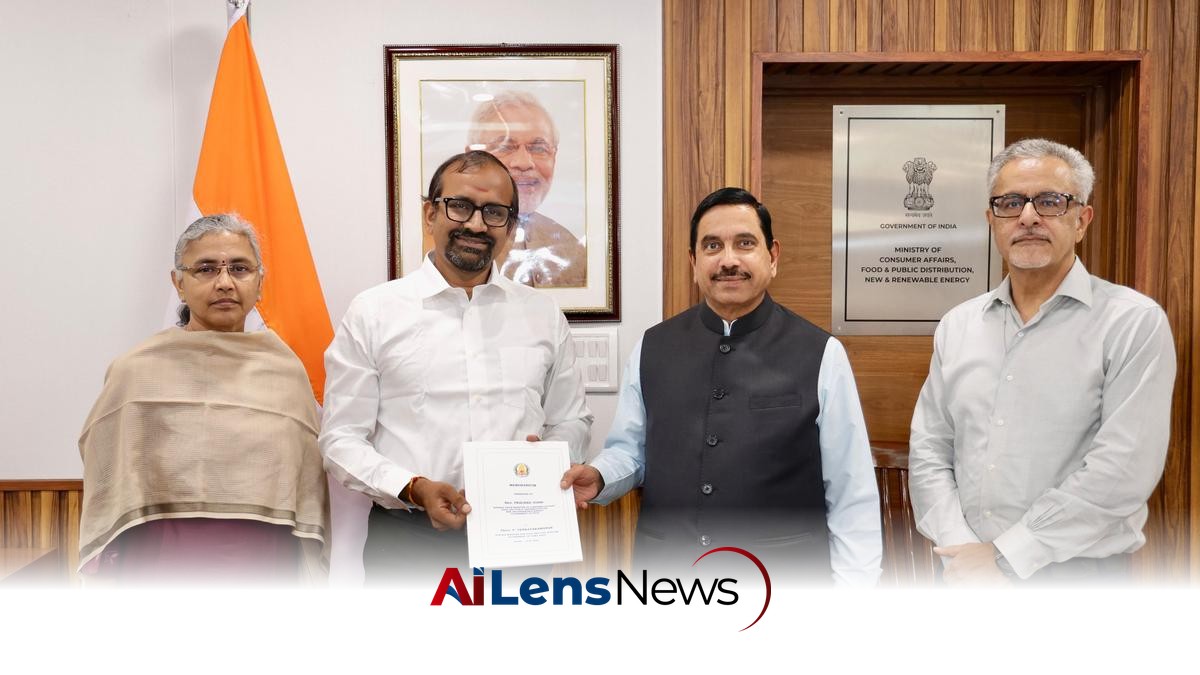


In a meeting with Union Minister Pralhad Joshi, T.N. Food Minister Venkataramanan requests an increase in rice procurement targets and the release of pending subsidies.
Chennai, India Jul 15, 2026 ALN: Minister for Food and Civil Supplies P. Venkataramanan met with Union Minister for Consumer Affairs, Food and Public Distribution Pralhad Joshi in New Delhi on Tuesday. During this meeting, he urged the Union government to increase the State’s rice procurement target for the 2025–26 Kharif procurement season from 16 lakh metric tonnes to 29.79 lakh metric tonnes. This significant request underscores the growing need for rice procurement in the state, particularly as agricultural demands fluctuate due to various factors including climate change, population growth, and changing dietary preferences.
The Kharif season, which typically runs from June to September in India, is crucial for the cultivation of rice and other staple crops. Farmers rely heavily on the monsoon rains during this period, and the success of the Kharif crop directly impacts food availability and prices in the subsequent months. Therefore, setting a realistic and adequate procurement target is essential for ensuring that the state's food security measures are effective and that farmers are incentivized to produce sufficient yields.
Rice is one of the most important staple foods in India, providing sustenance to a significant portion of the population. The demand for rice has been steadily increasing due to population growth and changing dietary habits, making it imperative for states to plan their procurement strategies carefully. If the procurement targets are not met, it could lead to shortages and subsequent price hikes, which would disproportionately affect the economically disadvantaged sections of society.
Venkataramanan also called for the immediate release of the pending rice subsidy amounting to ₹541.27 crore, which is due under the Antyodaya Anna Yojana (AAY) and Priority Household (PHH) schemes. These schemes are vital components of India's food security framework, designed to provide subsidized food grains to the most vulnerable sections of society. The AAY focuses on the poorest families, while the PHH scheme aims to provide subsidized grains to households identified as priority. The release of these funds is crucial not only for the financial stability of the state's food distribution system but also for the well-being of millions of beneficiaries who depend on these subsidies for their daily sustenance.
The Antyodaya Anna Yojana was launched in 2000 with the aim of providing food security to the poorest of the poor. Under this scheme, eligible households receive 35 kilograms of food grains per month at highly subsidized rates. The Priority Household scheme, on the other hand, was introduced to ensure that vulnerable households receive food grains at subsidized prices. Both schemes play a critical role in alleviating hunger and ensuring nutritional security, especially in rural areas where food access can be limited.
According to an official release, Venkataramanan submitted a memorandum to Joshi that highlighted several proposals from the department awaiting the Centre’s approval. These proposals aim to strengthen the Public Distribution System (PDS) and improve the procurement, storage, and distribution of paddy and other food grains. The PDS is a critical mechanism through which the government ensures that food reaches those who need it most. Enhancements in the system can lead to more efficient distribution, reduced wastage, and better access for consumers, especially in remote areas where food insecurity is often more pronounced.
The Public Distribution System has been in place since the 1960s and has undergone several reforms over the years. However, challenges such as inefficiencies, corruption, and inadequate infrastructure continue to hinder its effectiveness. By advocating for improved procurement and distribution systems, Venkataramanan aims to address these challenges and ensure that food security measures are more robust and reliable.
The meeting underscores the ongoing dialogue between state and central governments regarding agricultural policies and food security measures. The relationship between these two levels of government is pivotal in addressing the challenges posed by food scarcity, inflation, and the economic pressures faced by farmers. By advocating for increased procurement targets and timely subsidies, the government aims to enhance its food distribution capabilities and ensure that the needs of its citizens are met effectively.
As the Kharif season approaches, the need for adequate rice procurement becomes even more critical, especially in light of rising demand and the challenges posed by climate change. Climate change has been affecting agricultural productivity, leading to erratic weather patterns, prolonged droughts, and increased pest infestations. These factors can severely impact crop yields, making it essential for states to have robust procurement strategies in place to mitigate potential food shortages.
In recent years, climate change has emerged as a significant threat to food security worldwide. In India, the agricultural sector is particularly vulnerable due to its reliance on monsoon rains and traditional farming practices. As weather patterns become increasingly unpredictable, farmers face greater risks, which can discourage them from investing in their crops. This underscores the importance of government support in the form of increased procurement and timely subsidies to ensure that farmers can continue to produce food sustainably.
Venkataramanan's proactive approach reflects the state's commitment to safeguarding food security for its population. The urgency of his requests indicates a recognition of the pressing challenges that lie ahead, not just in terms of agricultural output but also in ensuring that the food distribution channels remain intact and effective. The implications of these discussions extend beyond immediate procurement targets; they highlight the broader framework of food security that involves multiple stakeholders, including farmers, government agencies, and consumers.
In conclusion, the discussions between Venkataramanan and Joshi highlight the importance of collaboration between state and central authorities in addressing food security challenges and ensuring that farmers receive the necessary support for their produce. The outcomes of such meetings can have far-reaching effects on agricultural policy, food availability, and the livelihoods of millions. As India continues to navigate the complexities of food production and distribution, the emphasis on effective procurement strategies will be crucial in building a resilient food system that can withstand both economic and environmental pressures.
Moreover, as the government seeks to enhance its procurement capabilities, it is also essential to consider the long-term sustainability of agricultural practices. This includes investing in technology, improving irrigation facilities, and promoting sustainable farming techniques that can help mitigate the impacts of climate change. By integrating these considerations into policy discussions, the state can work towards not only achieving immediate food security goals but also ensuring the resilience of its agricultural sector for future generations.
In addition to the measures discussed, there is also a need for increased awareness and education among farmers regarding sustainable agricultural practices. Training programs that focus on efficient water usage, crop rotation, and integrated pest management can empower farmers to adapt to changing conditions. Furthermore, fostering partnerships with agricultural research institutions can lead to the development of climate-resilient crop varieties that can withstand adverse conditions.
Overall, the proactive stance taken by Venkataramanan reflects a broader recognition of the interconnectedness of food security, agricultural sustainability, and economic stability. As India grapples with the challenges posed by a growing population and climate change, the commitment to enhancing procurement targets and supporting farmers will be essential in ensuring that the country can meet its food security needs in the years to come.
To learn more about the latest developments in Economy, stay updated with our exclusive reports and analyses on AiLensNews.

