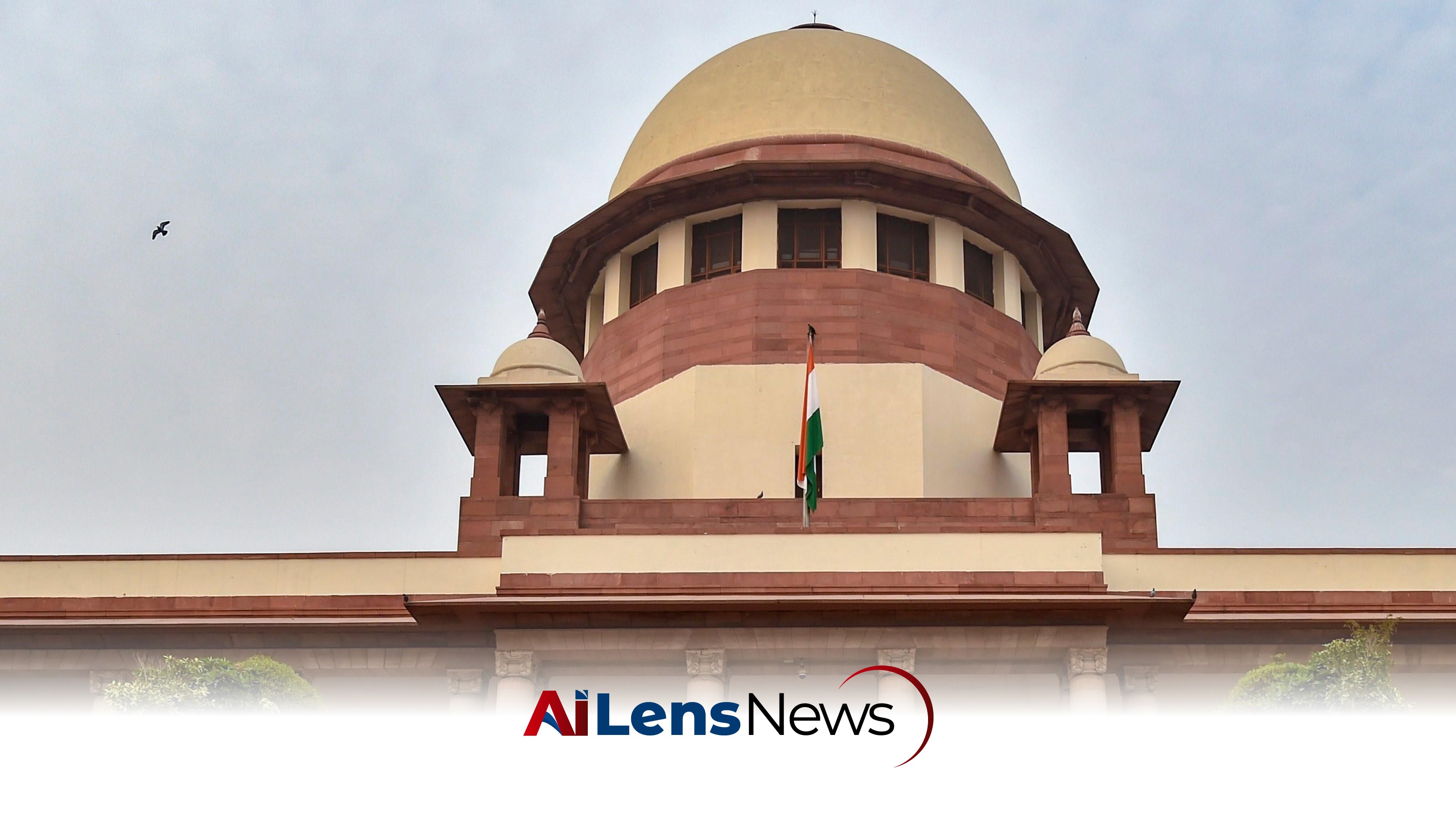


The Supreme Court mandates the CBSE to revise its consent form for the APAAR scheme, enabling parents to refuse consent for their children's enrollment.
New Delhi, India Jul 20, 2026 ALN: New Delhi: The Supreme Court on Monday announced its intention to direct the Central Board of Secondary Education (CBSE) to amend its model consent form for the Automated Permanent Academic Account Registry (APAAR) IDs, providing parents across India the option to refuse consent or opt out of the scheme. This decision has significant implications for the education system and data privacy in India, particularly in the context of the ongoing debates about digital identity and personal data protection.
APAAR, introduced by the Union education ministry under the National Education Policy, assigns every enrolled student a lifelong 12-digit ID. This ID serves as a digital repository for marksheets, degrees, and co-curricular achievements, effectively streamlining the management of academic records. The initiative aims to create a centralized system that not only enhances the efficiency of educational administration but also aims to facilitate the monitoring of students' academic progress over their educational journey.
The Supreme Court's intervention came during a hearing involving a petition filed by the parents of four students who challenged the scheme. The petitioners argued that the design of the APAAR system effectively compelled children to obtain Aadhaar, the unique identification number issued by the Indian government, which has been a contentious issue in Indian society. The Aadhaar system has faced criticism for its potential to infringe on individual privacy rights, and the linkage of APAAR with Aadhaar raised similar concerns among the petitioners.
The bench, comprising Chief Justice Surya Kant and Justices Joymalya Bagchi and V. Mohana, noted that the Centre had not contested a December 2025 Orissa High Court judgment that directed the education ministry to include an opt-out provision in the consent form. This judgment is particularly significant as it underscores the need for parental agency in decisions affecting children's education and personal data.
“We will direct the CBSE to implement this judgment on a pan-India basis,” the bench stated, indicating that a formal order would follow. The court's emphasis on parental consent reflects a growing recognition of the importance of involving parents in decisions that impact their children's educational and personal data. Furthermore, the bench urged the board to address concerns regarding parental consent and the protection of students’ personal data, highlighting the critical intersection of education policy and data privacy rights.
Senior advocate Indira Jaising, representing the petitioners, argued that while APAAR was described as voluntary, it was effectively linked to Aadhaar, creating a scenario where obtaining Aadhaar became a practical requirement for students. She contended that students should not be compelled to obtain both Aadhaar and APAAR to take examinations, a point that resonates with broader concerns about the coercive nature of linking various government services to Aadhaar.
Jaising emphasized that the existing consent form did not provide parents with a genuine opportunity to refuse enrollment in the APAAR scheme, which raises questions about the voluntariness of consent in this context. She further alleged that the scheme did not comply with the Digital Personal Data Protection Act, 2023, particularly regarding informed consent, the withdrawal of consent, and the long-term storage of children’s data. The implications of these claims are significant, as they challenge the adequacy of current data protection measures in safeguarding children's privacy.
However, the Chief Justice remarked that the scheme’s objective of creating a unique academic identity for students was a “welcome step.” Such an identifier could assist authorities in maintaining accurate student records and monitoring educational indicators, which is crucial for improving the overall quality of education in India. The potential benefits of a streamlined academic identity system must be balanced against the rights of individuals to control their personal information.
The bench observed that CBSE circulars would remain subject to the data protection law, reinforcing the idea that educational authorities must adhere to legal standards set forth to protect personal data. This acknowledgment is particularly pertinent in light of the increasing digitization of educational records and the corresponding rise in concerns about data security and privacy.
The Orissa High Court had ruled that the lack of an opt-out provision undermined the government’s assertion that APAAR was voluntary. This ruling is significant as it establishes a legal precedent for the necessity of providing individuals, particularly minors, with the right to refuse consent for data collection and processing. It also determined that education could not be made conditional on Aadhaar, signaling a critical stance against coercive practices that link essential services to biometric identification.
Moreover, allowing withdrawal after enrollment could not substitute the right to refuse consent from the outset, which raises fundamental questions about the nature of consent in the digital age. As educational institutions increasingly rely on digital systems for managing student information, the principles of consent, transparency, and data protection must be at the forefront of policy discussions.
This Supreme Court decision is likely to resonate beyond the immediate context of the APAAR scheme, potentially influencing other sectors that involve the collection and processing of personal data. As India continues to navigate the complexities of digital governance, the balance between technological advancement and individual rights will be a crucial area of focus. The implications of this ruling could lead to a re-evaluation of how educational authorities approach data collection and the importance of safeguarding students' rights in an increasingly digital world.
In conclusion, the Supreme Court's directive to the CBSE to incorporate an opt-out provision for the APAAR scheme is a significant step towards enhancing parental rights and protecting children's data privacy. As the education sector evolves with the integration of digital technologies, the legal frameworks governing consent and data protection will need to adapt to ensure that the rights of individuals are upheld in the face of rapid technological change.
To learn more about the latest developments in Crime & Law, stay updated with our exclusive reports and analyses on AiLensNews.

