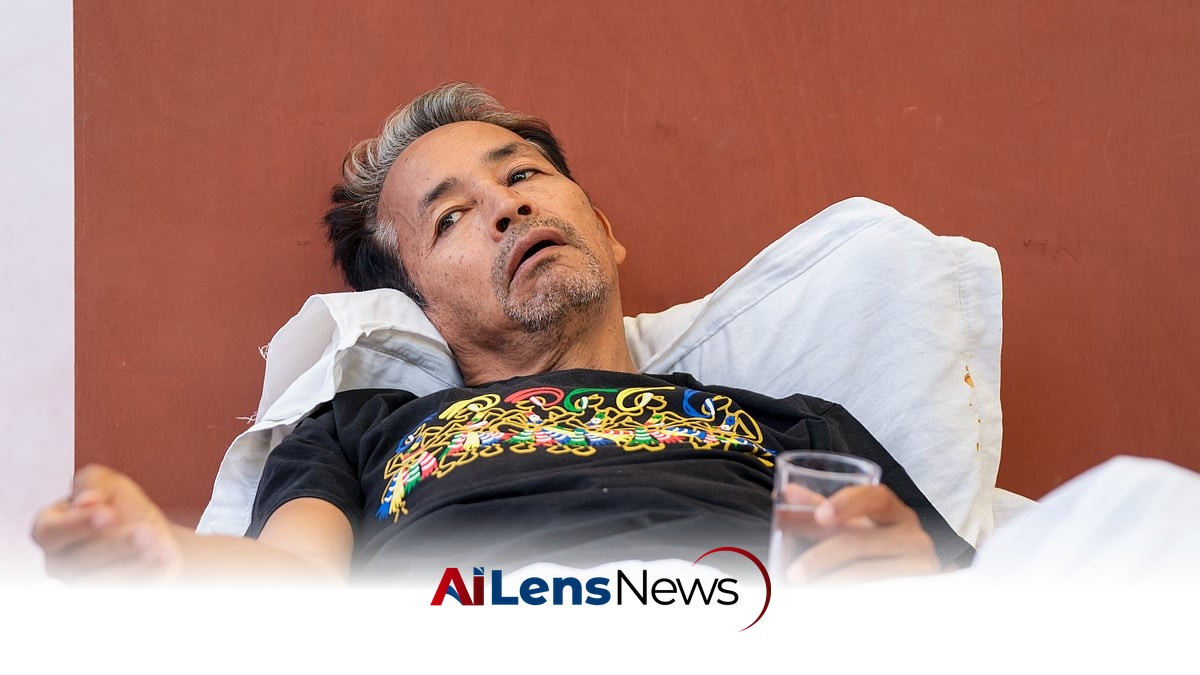


Activist Sonam Wangchuk, hospitalized after a hunger strike, is stable but has declined medical treatment despite doctors' urgent recommendations.
New Delhi, India Jul 19, 2026 ALN: New Delhi: Activist Sonam Wangchuk, who was forcefully admitted to VMMC & Safdarjung Hospital after his health deteriorated on the 21st day of his hunger strike, remains conscious and haemodynamically stable as of 9 pm, according to the health bulletin issued by the hospital.
According to the latest medical update, his pulse, blood pressure, and oxygen saturation are currently within normal limits. However, doctors said he is exhibiting clinical signs of dehydration, and in view of his prolonged fasting, his condition warrants immediate medical intervention to prevent further deterioration and potentially serious complications.
Independent expert concurs
The health bulletin further states that an independent expert from AIIMS, New Delhi, examined Wangchuk and concurred with the treating team's assessment that immediate oral/intravenous fluid and electrolyte therapy is medically indicated. An AIIMS doctor has also joined the treating team and will remain continuously available for monitoring and clinical management.
Despite repeated counselling by the treating team and the independent expert regarding the urgent need for treatment, Wangchuk has declined intravenous fluids, oral rehydration solution, and all medications. His family has also not yet provided consent for the recommended medical intervention.
The patient continues to be under close medical observation. The treating team is making every effort to counsel Wangchuk and his family to provide consent and accept the recommended treatment at the earliest in the interest of safeguarding his health and preventing avoidable complications, the health bulletin said.
Wife seeks hospital transfer
Earlier in the day, Wangchuk's wife, Gitanjali J. Angmo, wrote a letter addressed to the Medical Superintendent of Safdarjung Hospital seeking Wangchuk's transfer to another hospital, citing a "lack of transparency" and restricted access, and instructed that no oral medication, intravenous substance, or fluid be administered without her consent.
She also requested complete medical reports before any treatment decision and said any medicine or fluids would be procured by the family.
Sonam Wangchuk is a well-known engineer and environmental activist who has been at the forefront of various social movements in India, particularly those aimed at preserving the ecology and culture of Ladakh. His recent hunger strike is reportedly linked to his advocacy for urgent climate action and the preservation of the fragile ecosystem in the region. Wangchuk has previously gained recognition for his innovative projects, which aim to promote sustainable practices in the face of climate change.
The ongoing hunger strike has drawn significant attention from both the public and media, highlighting the broader issues of climate change and environmental degradation faced by communities in Ladakh. Wangchuk's actions resonate with many who are concerned about the impacts of climate change on vulnerable populations, particularly in high-altitude regions that are experiencing rapid environmental shifts.
The implications of Wangchuk's health situation extend beyond his personal well-being. His refusal of medical treatment raises questions about the ethics of medical intervention in cases where patients are non-compliant. Medical professionals often face dilemmas when patients decline treatment that is deemed necessary for their health, particularly in cases involving hunger strikes or other forms of protest. In such scenarios, the balance between respecting patient autonomy and ensuring their health can become contentious.
Moreover, the involvement of his family, particularly his wife's request for a transfer to another hospital, adds another layer of complexity to the situation. Family dynamics can play a significant role in medical decision-making, especially in cases where the patient is unable or unwilling to make informed choices about their own care. The request for transparency and access to medical information reflects broader concerns about patient rights and the responsibilities of healthcare institutions in providing clear communication.
The medical community is closely monitoring Wangchuk's case, as it may set precedents for how similar cases are handled in the future. The treatment team at Safdarjung Hospital is tasked not only with managing Wangchuk's physical health but also with navigating the ethical and legal implications of his refusal of treatment. They are likely to continue their efforts to persuade him to accept the necessary medical interventions, emphasizing the risks associated with prolonged fasting and the potential consequences of dehydration.
As the situation unfolds, it remains to be seen how Wangchuk's health will progress and whether he will eventually consent to treatment. The broader implications of his hunger strike and the attention it has garnered may also influence public discourse on climate issues and the responsibilities of governments and individuals in addressing environmental challenges.
In conclusion, Sonam Wangchuk's health concerns serve as a focal point for discussions around patient rights, medical ethics, and the urgent need for climate action. His case exemplifies the intersection of personal health, activism, and the ethical considerations that arise when individuals engage in protest through extreme measures such as hunger strikes. The outcome of this situation may not only affect Wangchuk's well-being but also contribute to the ongoing dialogue about the pressing issues facing communities impacted by climate change.
Wangchuk's hunger strike is not merely a personal act; it is a reflection of the deep-seated frustrations felt by many regarding governmental inaction on climate change. His advocacy highlights the urgent need for systemic changes to address environmental degradation, particularly in ecologically sensitive regions like Ladakh, which are experiencing the adverse effects of climate change more acutely than many other areas.
Furthermore, the ethics of medical treatment in protest situations often raise significant concerns regarding the rights of individuals to make choices about their own bodies and the role of medical professionals in intervening. The principles of autonomy, beneficence, and non-maleficence are often at odds in such cases, as healthcare providers must navigate the fine line between respecting a patient's wishes and ensuring their safety. Wangchuk's situation could prompt further discussions and potential policy changes regarding how healthcare systems respond to similar cases in the future.
The attention surrounding Wangchuk's case may also galvanize public support for climate initiatives and drive home the message that urgent action is needed to protect vulnerable communities from the impacts of climate change. As activists like Wangchuk continue to raise awareness, it is crucial for policymakers to listen and respond to the calls for action that resonate from these movements.
In summary, Sonam Wangchuk's refusal of medical treatment amidst his hunger strike raises critical questions about patient autonomy, medical ethics, and the broader societal implications of climate activism. His health situation serves as a reminder of the delicate interplay between individual rights and the collective responsibility to address pressing global challenges such as climate change.
To learn more about the latest developments in Health & Public Safety, stay updated with our exclusive reports and analyses on AiLensNews.

