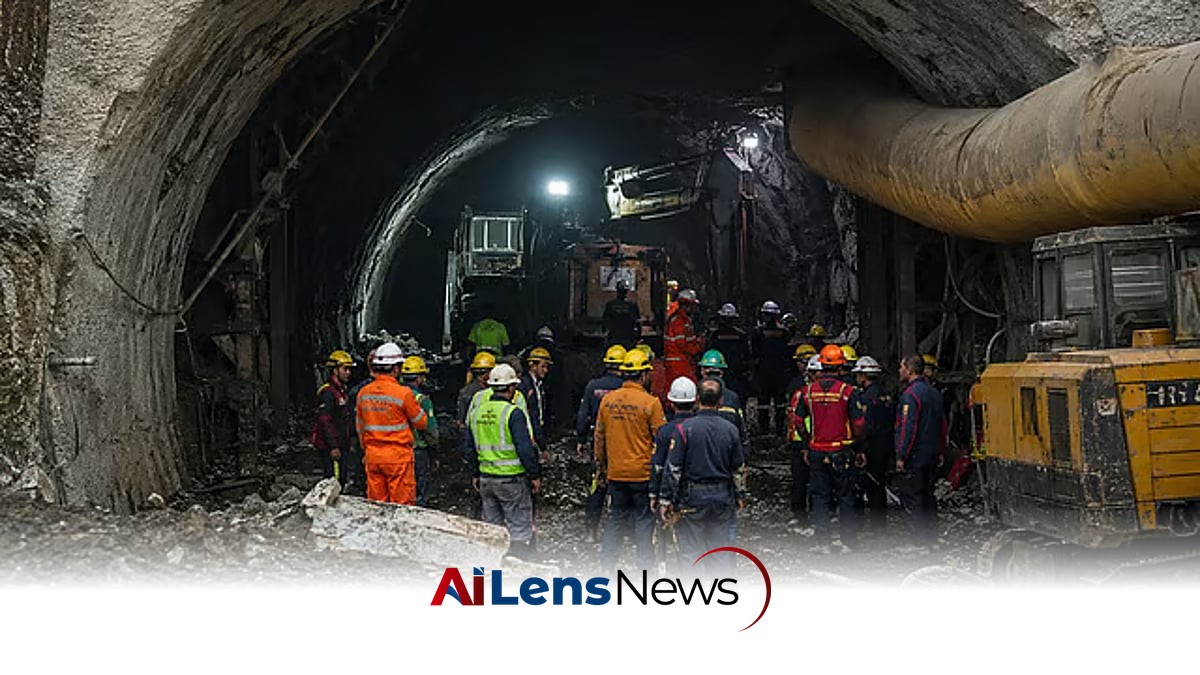


All 16 workers trapped in the Samardung tunnel were safely rescued following a landslide-triggered gas leak, thanks to a coordinated multi-agency operation.
Gangtok, India Jul 21, 2026 ALN: The successful rescue of 16 workers trapped inside the under-construction Samardung tunnel in South has brought relief to their families and the local community. The incident, which occurred on a Monday, was the result of a massive multi-agency operation that showcased the dedication and coordination of various rescue teams. The workers had been trapped due to a landslide that also led to a suspected gas leak within the tunnel, complicating the evacuation efforts.
The Samardung tunnel is part of the Teesta Stage VI Hydroelectric Project, a significant infrastructure initiative aimed at harnessing the hydroelectric potential of the Teesta River. This project is expected to contribute to the region's energy needs and support economic growth. However, the construction of such large-scale projects often comes with inherent risks, including geological instability, which can lead to incidents like the one that occurred. The Teesta River is one of the major rivers in the Indian subcontinent, and its harnessing for hydroelectric power is seen as a vital step toward sustainable energy production in the region.
The landslide that triggered the incident reportedly occurred in Mamring, near Rangpo, which is known for its challenging terrain. The area is characterized by steep slopes and loose soil, making it susceptible to landslides, especially during periods of heavy rainfall. Such geological conditions necessitate rigorous safety protocols and continuous monitoring during construction activities. The region has a history of landslides, particularly during the monsoon season, which raises questions about the adequacy of safety measures in place for workers engaged in construction projects in such vulnerable locations.
When the landslide occurred, it not only blocked access to a section of the tunnel but also raised concerns about hazardous gas accumulation. The presence of gas, which can be a byproduct of geological shifts or construction activities, posed a significant risk to the trapped workers and the rescue teams. The potential for gas leaks can create explosive environments, making the rescue operation more dangerous and complex. In such situations, the safety of the rescuers becomes paramount, as they must navigate not only the physical hazards of the landslide but also the potential for toxic exposure.
Rescue personnel faced numerous challenges in reaching the trapped workers. The blockage created by the landslide required careful planning and execution to ensure the safety of both the workers and the rescuers. Multi-agency coordination was essential, involving local authorities, emergency services, and specialized rescue teams trained to handle such emergencies. The operation was likely supported by equipment and technology designed for rescue operations in confined spaces, which can be critical in ensuring the safety of those involved. The collaborative effort among various agencies highlights the importance of preparedness and resource allocation in emergency management, particularly in regions prone to natural disasters.
After a concerted effort, rescuers managed to reach the trapped workers and successfully evacuated all 16 individuals. This outcome reflects not only the effectiveness of the rescue operation but also the resilience of the workers who endured difficult conditions while awaiting help. Once safely out of the tunnel, the workers were immediately transported to the Primary Health Centre (PHC) in Rangpo for medical examinations. This step was crucial in ensuring their well-being after the traumatic experience. The prompt medical attention provided to the workers may help mitigate any long-term health effects resulting from their ordeal.
At the PHC, the rescued workers underwent necessary medical evaluations to assess their physical condition. Given the potential exposure to hazardous gases and the stress of being trapped, medical professionals were likely vigilant in monitoring for any signs of respiratory issues or other health concerns. While officials reported that all workers were being closely monitored by doctors, no detailed medical bulletin had been issued at the time of the report, leaving some uncertainty regarding their health status. The lack of immediate information may cause additional anxiety among the families and the community, emphasizing the need for transparent communication during emergencies.
The incident at the Samardung tunnel raises important questions about safety protocols in construction projects, particularly those involving significant geological risks. The Teesta Stage VI Hydroelectric Project, while beneficial for the region's energy infrastructure, must also prioritize the safety of its workers. This incident underscores the need for ongoing training, emergency preparedness, and adherence to safety regulations to prevent similar occurrences in the future. Construction companies and regulatory bodies must work together to ensure that safety measures are not only in place but are also regularly reviewed and updated to reflect current best practices.
In the aftermath of the rescue, it is likely that an investigation will be conducted to determine the exact causes of the landslide and the gas leak. Such investigations are essential in identifying any lapses in safety measures or compliance with regulations that could have contributed to the incident. The findings could lead to recommendations for improving safety protocols, not only for the ongoing Teesta Stage VI project but also for other similar projects in the region. Furthermore, the outcomes of such investigations could influence future policies regarding construction practices in geologically unstable areas, potentially leading to stricter regulations and oversight.
Community response to the rescue operation has been one of relief and gratitude. The successful evacuation of the workers highlights the importance of community solidarity and the role of local authorities in responding to emergencies. Families of the trapped workers, who likely experienced significant anxiety during the ordeal, can now breathe a sigh of relief knowing their loved ones are safe. The incident has also sparked discussions within the community about the importance of worker safety and the need for improved infrastructure to support emergency responses in construction zones.
As the situation continues to develop, local officials may provide further updates on the health of the rescued workers and any subsequent measures being taken to enhance safety at the construction site. The incident serves as a reminder of the inherent risks associated with large-scale infrastructure projects and the importance of prioritizing worker safety in all phases of construction. The resilience of the community and the successful rescue operation may also lead to greater advocacy for worker rights and safety standards, with the potential to influence broader discussions on labor practices in hazardous industries.
To learn more about the latest developments in Crime & Law, stay updated with our exclusive reports and analyses on AiLensNews.

