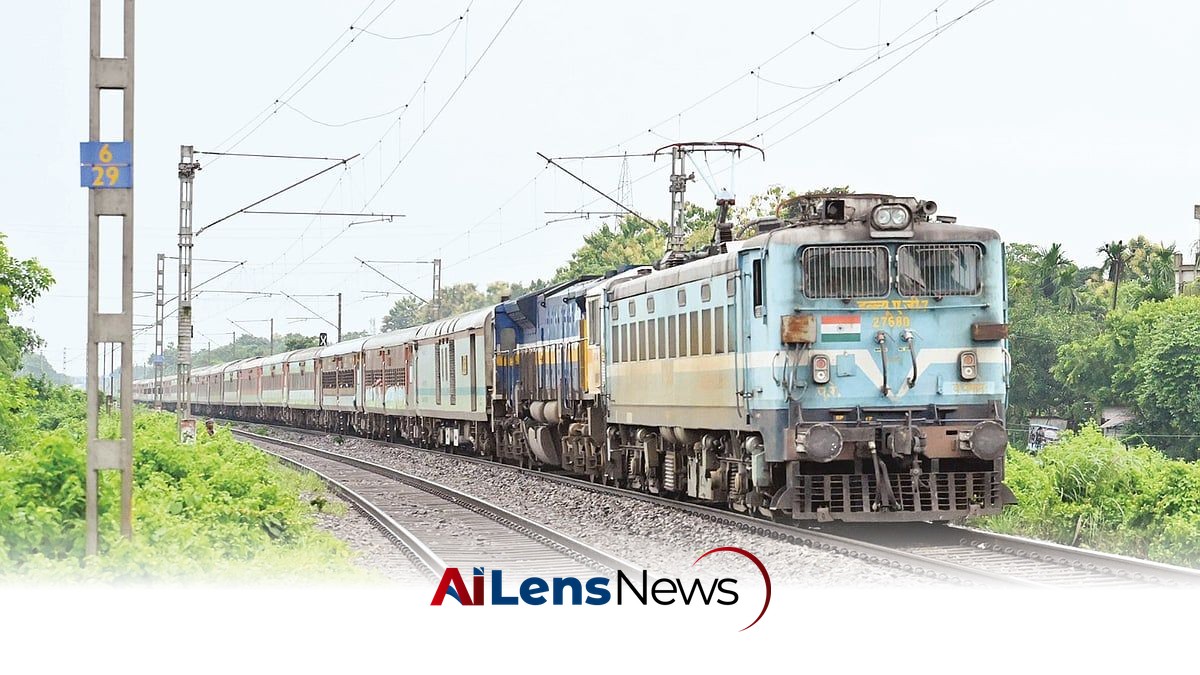


NFR has added five additional trips for the Katihar-Amritsar special train to accommodate increased passenger demand and reduce congestion.
Gangtok, India Jul 29, 2026 ALN: The Northeast Frontier Railway (NFR) has announced an extension of services for the 05736/05735 Katihar-Amritsar-Katihar Special Train, adding five additional trips in each direction. This decision comes in response to a marked increase in passenger demand and a need to alleviate congestion on regular train services. The expansion of this train service is part of a broader strategy by the NFR to enhance connectivity and provide more options for travelers in the region.
The 05736 (Katihar-Amritsar) Special train is scheduled to depart from Katihar at 9 PM every Wednesday, starting from August 5 and continuing through September 2. Conversely, Train No. 05735 (Amritsar-Katihar) Special will leave Amritsar at 1:25 PM every Friday from August 7 to September 4. The train will maintain its existing composition, timings, and stoppages, ensuring that passengers can rely on the consistency of the service. This operational stability is crucial for regular commuters and occasional travelers alike.
As the COVID-19 pandemic has significantly impacted travel patterns, the Indian Railways has been gradually restoring services while also adapting to new demand dynamics. The introduction of additional trips on the Katihar-Amritsar route reflects a commitment to catering to the needs of passengers who are returning to train travel as restrictions ease. It also highlights the importance of rail services in promoting regional connectivity and boosting economic activities.
The Northeast Frontier Railway has been proactive in addressing the challenges posed by increased passenger numbers. Train services in India have long been an essential mode of transportation, especially in regions where road infrastructure may not be as developed. The addition of these special trains is a strategic move to ensure that the railway network can accommodate the needs of the public while also maintaining safety protocols.
In addition to enhancing passenger services, the NFR is also focusing on improving freight facilities. Recently, the railway has ramped up its freight services through the establishment of new parcel hubs and the streamlining of routes aimed at boosting cargo revenue. This dual focus on passenger and freight services is indicative of the NFR's comprehensive approach to railway management, ensuring that both sectors are well-supported and efficient.
For passengers planning to utilize the extended train services, it is advisable to check the detailed schedule and stoppages through the Indian Railway Catering and Tourism Corporation (IRCTC), the National Train Enquiry System (NTES), or the official NFR social media platforms prior to embarking on their journey. This ensures that travelers are informed of any updates or changes that may affect their travel plans.
The extension of the Katihar-Amritsar train service is not just a logistical adjustment; it represents a significant move towards improving the overall travel experience for passengers. With the Indian Railways being one of the largest rail networks in the world, the efficiency and reliability of train services play a critical role in the daily lives of millions. The NFR's efforts to expand services are likely to have positive implications for local economies, as increased accessibility can lead to enhanced trade and tourism opportunities.
Moreover, the decision to add more trips on this route aligns with broader governmental initiatives aimed at enhancing rail infrastructure and services across the country. As part of the Indian government's vision for a modernized railway system, improvements in passenger services are essential for fostering economic growth and improving the quality of life for citizens.
In conclusion, the Northeast Frontier Railway's decision to expand the Katihar-Amritsar train service reflects a proactive response to growing passenger demand and a commitment to improving rail connectivity in the region. By maintaining existing service standards while also expanding capacity, the NFR is positioning itself to better serve the needs of its passengers, which is crucial as the country continues to recover from the impacts of the pandemic. The railway's dual focus on both passenger and freight services further underscores its role as a vital component of India's transportation infrastructure.
To understand the broader implications of this extension, it is essential to consider the socio-economic context of the regions served by the Katihar-Amritsar route. Katihar, located in the eastern part of Bihar, serves as a significant junction for rail transport, connecting various parts of the state to other regions. Amritsar, on the other hand, is a major city in Punjab, known for its rich history and cultural significance, including the famous Golden Temple. The connectivity between these two cities facilitates not only passenger travel but also the movement of goods, thereby contributing to local economies.
The increase in train services can be seen as a response to the growing population and the resultant rise in travel needs. As urbanization continues to increase in India, cities like Amritsar and Katihar are witnessing higher footfalls of people traveling for work, education, and tourism. This necessitates a robust transportation network that can handle the increasing number of passengers while ensuring safety and comfort.
Furthermore, the expansion of train services is a crucial aspect of the Indian government's broader infrastructure development plan. The government has been investing heavily in modernizing the railway network, improving tracks, and upgrading stations to enhance the overall travel experience. This commitment to infrastructure development is essential not only for the railway sector but also for the economy as a whole. Improved rail connectivity can lead to increased trade, better access to markets, and ultimately, economic growth.
In addition, as the Indian Railways navigates the post-pandemic landscape, the emphasis on passenger safety and hygiene has become paramount. The introduction of additional trains on the Katihar-Amritsar route is accompanied by stringent safety measures, including regular sanitization of coaches, mandatory mask-wearing, and social distancing protocols. These measures are designed to instill confidence among travelers, encouraging them to opt for train travel over other modes of transportation.
As the NFR continues to adapt to changing passenger needs, it is also essential to consider the environmental implications of expanding train services. Rail transport is generally considered to be more environmentally friendly compared to road and air travel, as it produces lower carbon emissions per passenger kilometer. By promoting train travel, the NFR is contributing to sustainable transportation practices, which align with global efforts to combat climate change.
In summary, the expansion of the Katihar-Amritsar train service by the Northeast Frontier Railway is a multifaceted decision that addresses immediate passenger needs while also contributing to broader economic and environmental goals. As the railway continues to evolve and adapt to the changing landscape, it remains a critical component of India's transportation infrastructure, supporting both local communities and the national economy.
To learn more about the latest developments in Transport & Mobility, stay updated with our exclusive reports and analyses on AiLensNews.

