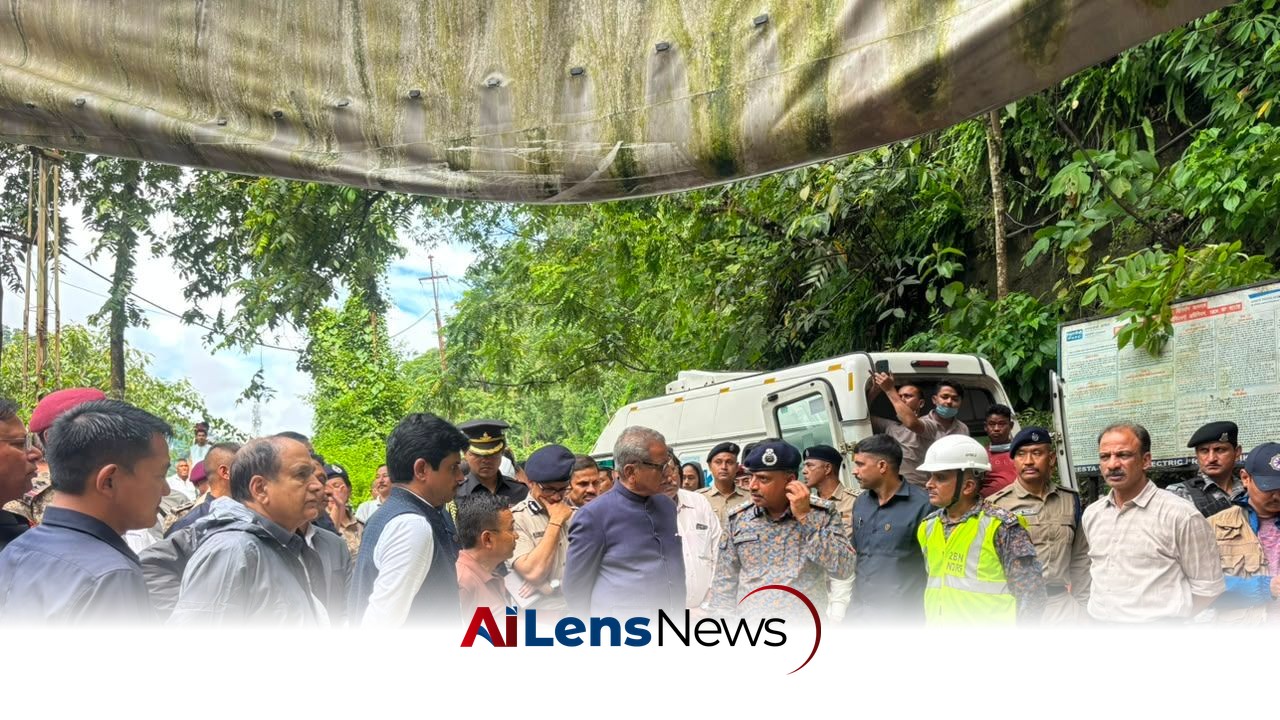


New evidence suggests that a methane gas explosion, not a landslide, caused the tragic incident at the Samardung tunnel in Namchi, resulting in multiple fatalities.
Gangtok, India Jul 21, 2026 ALN: Gangtok: Fresh information emerging from the Samardung tunnel tragedy in Namchi district indicates that the incident may have been caused by a methane gas explosion during excavation rather than a landslide, as initially reported, with rescue teams recovering 10 bodies and continuing the search for workers still feared trapped.
According to sources at the project site, the incident occurred when excavation work struck rock formations containing trapped methane gas, triggering an explosion that was followed by a massive methane gas leak inside the under-construction tunnel. This explosion has raised serious concerns about the safety protocols in place during such high-risk excavation activities.
Methane, a colorless and odorless gas, is often found in underground rock formations and can pose significant risks during construction and mining operations. When disturbed, it can ignite and lead to catastrophic explosions, especially in confined spaces like tunnels. The gas rapidly spread through the tunnel, leaving workers with little chance to escape and severely hampering rescue operations. Rescue personnel who initially entered the tunnel were forced to retreat due to the high concentration of methane before they could reach those trapped inside.
The workers feared trapped are from different parts of the country, including Jharkhand, Assam, Punjab, and Jammu & Kashmir, highlighting the diverse workforce employed in infrastructure projects across India. This incident underscores the reliance on migrant labor in the construction sector, often characterized by poor safety conditions and inadequate training for emergency situations.
Sources said this was not the first methane gas leak reported inside the tunnel. A similar incident allegedly occurred around four months ago, but it was relatively minor, with a few workers reportedly sustaining first-degree burn injuries to their hands. Fortunately, no one was trapped in that incident. Monday’s tragedy, however, is believed to have been far more severe because of the reported methane explosion and the number of workers caught inside.
Further indications supporting the methane explosion theory emerged after rescue teams recovered bodies bearing extensive burn injuries rather than injuries associated with being buried under debris. This detail is critical, as it suggests that the victims were likely caught in the blast itself, rather than being trapped by falling rocks or earth. Sources said the victims were not found trapped beneath collapsed earth or rocks, lending weight to reports that the incident was triggered by a methane gas explosion during excavation rather than a landslide.
The Samardung tunnel is part of the under-construction Teesta Stage VI Hydroelectric Project in Namchi district. This project is significant as it aims to harness the hydropower potential of the Teesta River, contributing to the region's energy needs. However, such large infrastructure projects often come with their own set of challenges, particularly concerning worker safety and environmental impacts. Initial reports on Monday had suggested that a landslide inside the tunnel had trapped workers and triggered a methane gas leak, making rescue operations extremely hazardous.
Chief Minister Prem Singh Tamang has informed that the authorities have constituted a Special Investigation Team to probe the cause of the tunnel disaster. The establishment of such a team indicates the seriousness with which the government is treating this incident, and it may lead to recommendations for improved safety measures in future excavation projects. The Chief Minister has announced an ex-gratia of four lakh rupees for the families of the deceased, and fifty thousand rupees for those injured, reflecting the government's acknowledgment of the tragedy and its impact on the victims' families.
As of 9.30 am on Tuesday, rescue teams had recovered 10 bodies from the tunnel. The deceased have been identified as Bolo Oraon and Gora Oraon, both from Jalpaiguri in West Bengal; Yasohal from Pathankot, Punjab; Vikey Rawat from Dehradun, Uttarakhand; Bikesar Oraon from Jalpaiguri, West Bengal; Babul Borodalai from Assam; and Lakpa Dorjee Tamang from Katang in Namchi. Three other bodies remain unidentified, adding to the anguish of families waiting for news of their loved ones.
The bodies have been shifted to Namchi District Hospital, STNM Hospital, and Singtam District Hospital for further procedures. The transfer of the deceased to various hospitals indicates the logistical challenges faced by rescue teams in managing the aftermath of such disasters.
Another National Disaster Response Force (NDRF) team has entered the tunnel to continue search and rescue operations for the remaining workers feared trapped. The involvement of the NDRF highlights the need for specialized rescue operations in situations involving hazardous gases and confined spaces. The ongoing search efforts are not only about recovering the missing workers but also about ensuring that no further gas leaks occur, which could jeopardize the safety of rescue personnel and hinder operations.
This tragic incident serves as a stark reminder of the inherent dangers associated with construction work, particularly in challenging environments like tunnels. It raises important questions about the adequacy of safety measures and protocols in place to protect workers. As investigations proceed, there will likely be calls for stricter regulations and improved safety training to prevent such disasters in the future.
In conclusion, the Samardung tunnel tragedy is a complex event that underscores the risks of methane gas in construction projects and the importance of rigorous safety standards. The implications of this incident will likely resonate beyond the immediate community, prompting discussions on labor safety, emergency preparedness, and the responsibilities of contractors and government authorities in safeguarding the lives of workers engaged in hazardous occupations.
To learn more about the latest developments in Crime & Law, stay updated with our exclusive reports and analyses on AiLensNews.

