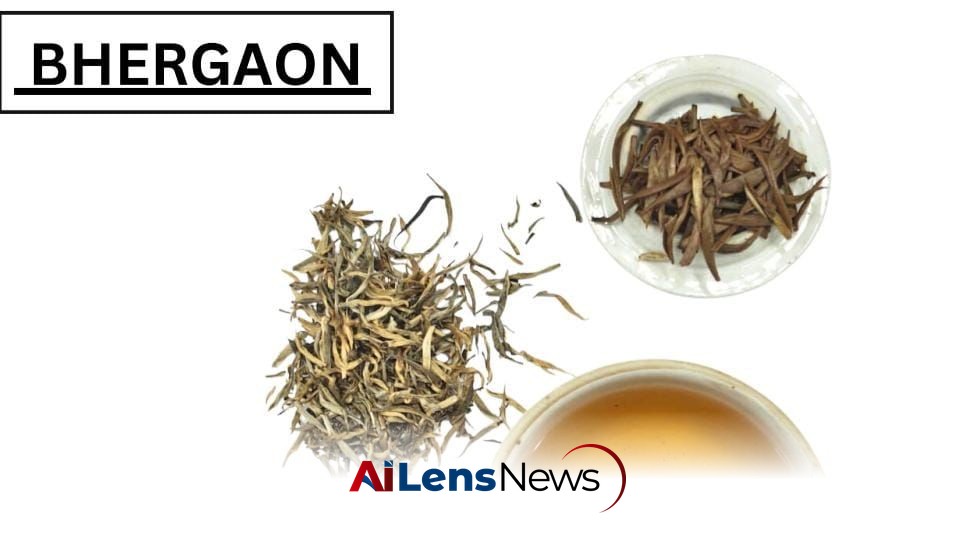


Assam's tea estates are exploring rare yellow tea to capture premium markets, with Bhergaon Tea Estate's recent auction fetching ₹13,334 per kg.
Gangtok, India Jul 22, 2026 ALN: Guwahati: Assam’s tea industry is increasingly looking beyond its traditional black teas as estates experiment with rare and high-value speciality teas to capture premium domestic and export markets. This strategic pivot is not only a response to changing consumer preferences but also a proactive measure to enhance the economic viability of the tea sector in Assam, which has been facing challenges such as rising production costs and fluctuating prices for conventional teas.
The latest example of this trend was highlighted at the Guwahati Tea Auction Centre (GTAC) Sale No. 29, where Bhergaon Tea Estate’s yellow tea fetched a remarkable ₹13,334 per kg. This sale is indicative of a growing interest in niche, handcrafted teas among buyers, which has been gaining traction in recent years. The 2-kg lot was sold by leading tea broker J. Thomas & Co. Pvt. Ltd. and purchased by Vedanta Tea Company of Guwahati, specifically for a café in Rajasthan, showcasing the expanding market for premium tea offerings.
This sale comes amid a broader shift within Assam’s tea industry, where producers are diversifying into speciality teas such as white tea, oolong, purple tea, and matcha. These efforts aim to improve value realization in an increasingly competitive market, where traditional black tea sales may no longer suffice to sustain the livelihoods of tea growers. The diversification into speciality teas is seen as a necessary evolution for the industry to remain relevant and profitable.
Yellow tea, which is among the world’s rarest tea styles, is produced in very limited quantities due to its painstaking manufacturing process. Originating in China, yellow tea undergoes an additional "yellowing" stage after heat treatment, which is a crucial step that differentiates it from other tea types. This process results in a mellow liquor characterized by delicate floral notes and a smoother taste than conventional green tea, making it a unique offering in the tea market.
Bhergaon Tea Estate, located in the Udalguri district on the north bank of the Brahmaputra, has been steadily expanding its speciality tea portfolio alongside its conventional CTC (Crush, Tear, Curl) and orthodox teas. The estate’s commitment to innovation is evident in its approach to developing new tea varieties that cater to the evolving tastes of consumers. “We have been experimenting with different types of speciality teas. Our white tea and golden tips have received encouraging feedback, and since yellow tea is a rare grade, we decided to develop it,” said Avinash Borooah, Director of Bhergaon Tea Estate.
The development of the yellow tea was entirely in-house, crafted by the estate’s factory tea maker, Bhrigu Parasar, who specializes in creating speciality teas. This internal expertise is crucial, as it allows for greater control over the quality and characteristics of the tea produced. According to the estate, yellow tea is the most labour-intensive and time-consuming among the speciality teas it produces, primarily due to the additional processing required to achieve its distinctive flavour profile.
Encouraged by the positive response at the auction, Bhergaon Tea Estate plans to increase its production of yellow tea. “If marketed well, yellow tea can catch on like matcha. We believe it has the potential to become a commercially viable speciality tea and open up premium domestic and export markets, provided quality is consistently maintained,” Borooah noted. This outlook reflects a broader optimism within the industry regarding the potential for speciality teas to carve out a significant niche in the global tea market.
Although Arunachal Pradesh’s Donyi Polo Tea Estate first introduced yellow tea at the Guwahati Tea Auction Centre in 2018, Bhergaon’s latest offering represents a growing momentum behind Assam’s speciality tea movement. The success of these rare teas is indicative of a shift in consumer preferences towards high-quality, unique products that offer distinct flavour profiles and artisanal craftsmanship.
With rising production costs and fluctuating prices for conventional teas, more estates are investing in small-batch, high-value teas that cater to discerning consumers. Industry players believe that such innovations will be crucial to strengthening Assam’s presence in the premium global tea market while creating better value for producers. The emphasis on quality and uniqueness is expected to attract a segment of consumers willing to pay a premium for exceptional tea experiences.
Furthermore, the growing interest in speciality teas aligns with global trends where consumers are increasingly seeking healthier and more diverse beverage options. As awareness of the health benefits associated with various tea types rises, Assam’s tea producers have an opportunity to position their speciality teas as not only luxurious but also beneficial choices for health-conscious consumers.
The tea industry in Assam has a rich history, dating back to the early 19th century when British planters began cultivating tea in the region. Assam tea, known for its robust flavor and bright color, quickly gained popularity and became a staple in tea-drinking cultures around the world. However, the industry has faced numerous challenges in recent years, including climate change, labor issues, and competition from other tea-producing regions. The shift towards speciality teas represents a strategic response to these challenges, aiming to secure a more sustainable future for Assam's tea growers.
In conclusion, the shift towards rare yellow tea and other speciality teas by Assam’s tea industry marks a significant transformation in response to market demands. By embracing innovation and focusing on quality, tea estates like Bhergaon are not only enhancing their product offerings but also contributing to the overall growth and sustainability of the Assam tea sector. As this trend continues, it will be essential for producers to maintain high standards and effectively market their unique products to capture the interest of both domestic and international consumers. The potential for Assam's tea industry to thrive in the premium market is promising, provided that producers remain adaptable and responsive to the evolving landscape of consumer preferences.
To learn more about the latest developments in Crime & Law, stay updated with our exclusive reports and analyses on AiLensNews.

