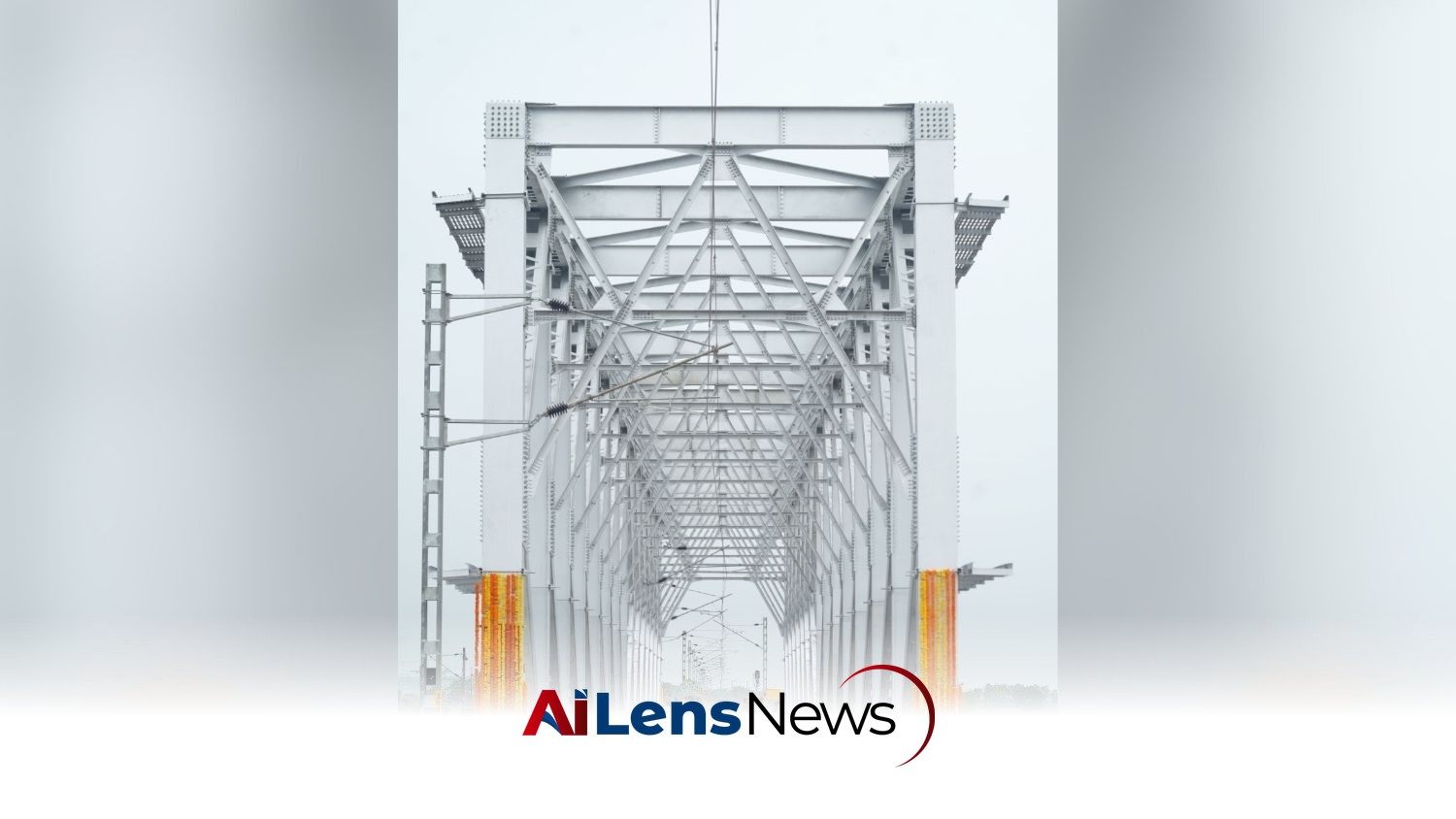


The South Central Railway has successfully completed the tripling of the Kazipet-Balharshah rail line, improving transport capacity and reducing congestion.
New Delhi, India Jul 23, 2026 ALN: South Central Railway (SCR) has completed the 203-km Kazipet-Balharshah triple railway line project at an estimated cost of ₹3,000 crore, thereby strengthening rail connectivity along the country's north-south Grand Trunk route. This project is part of a broader initiative by the Indian government to enhance the railway infrastructure across the nation, which has been a critical focus area for economic development and modernization.
The completion of this project represents a significant advancement in India's railway infrastructure, particularly for the regions it serves. The final 11-km stretch between Asifabad and Sirpur Kaghaznagar, along with the associated electrification works, was finalized on July 22, marking a major milestone in the project timeline. The Kazipet-Balharshah section is not only a key rail corridor linking northern and southern India but also a vital conduit for heavy passenger and freight traffic, especially coal and cement, which are critical to the country's energy and construction sectors. This dual-purpose functionality highlights the importance of the railways in supporting both everyday commuters and the industrial backbone of the nation.
The importance of the Kazipet-Balharshah line can be traced back to the increasing demand for efficient transportation solutions in India. In 2015–16, the Ministry of Railways recognized the need for expanding this corridor by approving the construction of a third line, along with electrification, to alleviate congestion on the existing 203-km stretch, which comprises 159 km in Telangana and 44 km in Maharashtra. This decision was driven by the need to enhance the efficiency of rail transport in a country where railways are a primary mode of long-distance travel and freight movement. The railway's role in facilitating trade and commerce cannot be overstated, as it connects remote areas to major markets, thereby fostering economic growth.
Prior to this completion, a 33-km section between Raghavapuram and Mandamarri was commissioned in 2016, showcasing the phased approach taken to develop this crucial rail line. The remaining stretches were completed in phases starting from 2020, indicating a well-structured project management strategy that allowed for incremental improvements to the rail infrastructure. The phased commissioning not only allowed for timely upgrades but also minimized disruptions to existing rail services, ensuring that the economic activities dependent on this corridor could continue uninterrupted. Officials have noted that the entire project has now been commissioned, with the exception of a small section under the Central Railway near the Balharshah yard, which is expected to be resolved shortly.
The completion of the third line is anticipated to significantly increase the line capacity, thereby reducing congestion and facilitating faster movement of both passenger and freight trains between northern and southern India. This will not only enhance the efficiency of rail operations but is also expected to have a broader economic impact by improving the transportation of critical commodities such as coal and cement. These materials are essential for powering thermal power plants and supporting various industries, thereby ensuring a smoother supply chain and contributing to economic growth. The ability to transport goods more efficiently will allow industries to operate more effectively and may lead to cost savings that can be passed on to consumers.
Moreover, the additional line is expected to enable the introduction of more passenger train services, which will help ease traffic bottlenecks that have historically plagued this corridor. The electrification of the corridor is another significant aspect of this project. By reducing reliance on fossil fuels, electrification is anticipated to lower operational costs and decrease carbon emissions, aligning with India's broader goals of promoting sustainable transport solutions and reducing the environmental impact of rail operations. This move towards electrification is part of a larger trend within the Indian Railways to transition towards greener technologies, reflecting a commitment to environmental sustainability.
SCR general manager Sanjay Kumar Srivastava expressed his appreciation for the hard work and dedication of the officials and staff involved in various departments, including construction, engineering, signal and telecommunications, electrical, and operations. His acknowledgment underscores the collaborative effort required to bring such a large-scale infrastructure project to fruition. Srivastava emphasized that the Kazipet-Balharshah tripling project would play a crucial role in meeting the region's growing transportation needs, which are expected to rise in tandem with economic development and population growth. This highlights the interconnected nature of infrastructure development and economic progress, where improving transport links can directly influence regional economic dynamics.
In a broader context, the completion of the Kazipet-Balharshah rail line is emblematic of India's ongoing efforts to modernize its railway system, which is one of the largest in the world. The Indian Railways has been focusing on enhancing capacity, improving safety, and increasing the speed of trains to meet the demands of a growing economy. As part of this modernization effort, projects like the Kazipet-Balharshah triple line are critical in ensuring that rail transport remains a viable and efficient option for both passengers and freight. The modernization of railways is not just about physical infrastructure; it also encompasses technological advancements in signaling, safety protocols, and passenger services, which collectively enhance the travel experience.
Furthermore, the implications of this project extend beyond immediate logistical benefits. Improved rail connectivity can lead to enhanced regional development, as better transportation links can attract investment and stimulate economic activity in previously underserved areas. This is particularly relevant for states like Telangana and Maharashtra, where the rail network plays a vital role in connecting rural areas with urban centers. Enhanced connectivity can lead to job creation, increased trade, and improved access to education and healthcare services, thereby uplifting entire communities and contributing to a more balanced economic growth across regions.
Overall, the completion of the Kazipet-Balharshah triple railway line is a significant achievement for the South Central Railway and the Indian Railways as a whole. It reflects a commitment to improving infrastructure and enhancing connectivity, which are essential for supporting India's economic aspirations and improving the quality of life for its citizens. As the nation continues to grow and evolve, projects like this will be pivotal in shaping the future of transportation in India. The strategic importance of railways in India has been underscored by their ability to adapt to changing economic landscapes, and the successful execution of such ambitious projects will be crucial in maintaining the momentum of growth and development in the years to come.
To learn more about the latest developments in Transport & Mobility, stay updated with our exclusive reports and analyses on AiLensNews.

