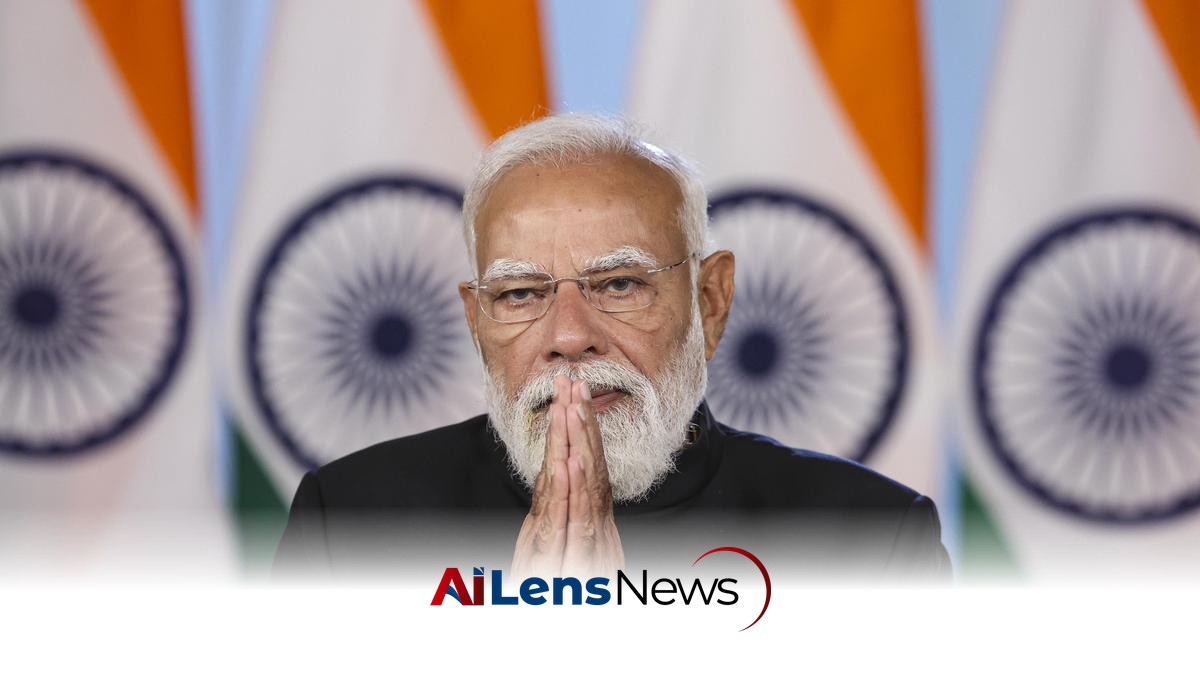


As protests continue, PM Modi acknowledges public suggestions while activist Sonam Wangchuk ends his hunger strike after government assurances.
New Delhi, India Jul 25, 2026 ALN: The ongoing protests at Jantar Mantar have emerged as a focal point of contention in the political landscape of India, particularly in light of recent governmental decisions and public outcry regarding education and civil rights. Jantar Mantar, a historical site in New Delhi, has long been a venue for protests and demonstrations, symbolizing the voice of the people in a democratic society. The current protests have drawn significant attention as the government engages with the Cockroach Janta Party (CJP), a political entity that has been vocal about various issues affecting citizens. This site, known for its rich history of activism, has once again become a platform for citizens to express their grievances and demand accountability from the government.
On July 24, 2026, discussions took place at the Constitution Club of India, a venue chosen for its neutrality, reflecting the government's acknowledgment of the need for dialogue amidst rising tensions. This meeting is part of broader efforts by the government to address the concerns raised by the CJP and other stakeholders involved in the protests. The choice of a neutral venue also signifies an attempt to foster a more conducive environment for open discussions, which can often be fraught with political posturing and hostility. The Constitution Club, located near the heart of the political establishment, serves as a reminder of the importance of civil discourse in a functioning democracy.
The CJP has articulated that the most stringent action the government could take against examination irregularities would be the removal of Union Education Minister Dharmendra Pradhan. This statement underscores the growing frustration among citizens regarding educational policies and the integrity of examination processes in India. The CJP's demand reflects a broader sentiment that accountability at the highest levels of government is necessary to restore trust in the educational system. This comes in the wake of Prime Minister Narendra Modi's announcement of a forthcoming Bill aimed at implementing strict measures against paper leaks, which will be introduced in Parliament. The proposed legislation is expected to address not only the issue of examination integrity but also the systemic problems that have plagued the education sector for years.
The implications of the proposed Bill could be far-reaching. If enacted, it may lead to significant reforms in how examinations are conducted and monitored, potentially introducing harsher penalties for those found guilty of facilitating or participating in examination fraud. The government's commitment to tackling this issue may also reflect a broader strategy to regain public trust and reduce dissent, especially among the youth, who are particularly affected by these irregularities. Education has long been viewed as a cornerstone of progress in India, and ensuring its integrity is vital for the future of millions of students.
In a related development, the Central Reserve Police Force (CRPF) is currently verifying media reports regarding the use of pellet guns by the Rapid Action Force (RAF) against unarmed protesters during the march to Parliament on July 20, 2026. This inquiry comes after alarming reports surfaced about security forces employing pellet guns on civilians in the capital for the first time. The use of such forceful measures against protesters raises serious ethical and legal questions about the treatment of citizens exercising their right to free speech and assembly. The deployment of pellet guns, often criticized for their potential to cause severe injury, has sparked outrage among human rights advocates and the general public, leading to calls for accountability and transparency in the actions of law enforcement agencies.
The implications of this incident are profound, as it not only highlights the tensions between the government and its citizens but also brings to the forefront issues regarding police conduct and the use of force during demonstrations. The CRPF's inquiry into the matter is crucial, as it will determine whether there will be accountability for the actions of the security forces. This situation is emblematic of the broader struggle between authority and civil liberties in India, particularly in the context of increasing governmental scrutiny of protests and dissent. The balance between maintaining public order and respecting citizens' rights is a delicate one, and the outcomes of these investigations may set important precedents for future interactions between the state and the populace.
Amidst these tensions, activist Sonam Wangchuk concluded his indefinite hunger strike after receiving assurances from the government regarding his demands. Wangchuk, known for his advocacy on educational reforms and environmental issues, announced the end of his fast following a meeting with Union Ministers JP Nadda and Jitendra Singh at Medanta Hospital in Gurugram around midnight on July 23, 2026. His hunger strike had drawn considerable media attention and public support, highlighting the urgency of the issues he raised. The government's response to his demands may indicate a willingness to engage with activists and consider their perspectives in policy-making, a crucial step in fostering a more inclusive political environment.
Wangchuk's decision to end his hunger strike is significant, as it reflects a moment of potential reconciliation between the government and civil society. However, it also raises questions about the effectiveness of such protests and the extent to which governmental assurances will translate into meaningful action. Activism in India has a rich history, and figures like Wangchuk play a vital role in shaping public discourse and pushing for change, but the sustainability of such movements often depends on the government’s responsiveness to legitimate concerns. The outcome of Wangchuk's hunger strike may serve as a litmus test for the current administration's commitment to addressing pressing social issues.
The ongoing protests at Jantar Mantar and the various developments surrounding them illustrate the complexities of governance in a democratic society. As the government navigates these challenges, the outcomes of the discussions with the CJP and the investigations into the use of force by security personnel will be closely monitored by citizens and political analysts alike. The situation continues to evolve, and the implications of these events will likely resonate throughout the political landscape in the coming months. The ability of the government to effectively address the concerns raised by protesters and to engage in constructive dialogue will be critical in determining the trajectory of public sentiment and political stability in India.
In conclusion, the protests at Jantar Mantar represent not just a moment of unrest but a significant chapter in India's ongoing struggle for justice, accountability, and democratic engagement. As citizens rally for their rights and voice their concerns, the government's response will be pivotal in shaping the future of civil discourse and activism in the country. The events unfolding in New Delhi serve as a reminder of the power of collective action and the importance of safeguarding democratic principles in the face of challenges.
To learn more about the latest developments in Politics, stay updated with our exclusive reports and analyses on AiLensNews.

