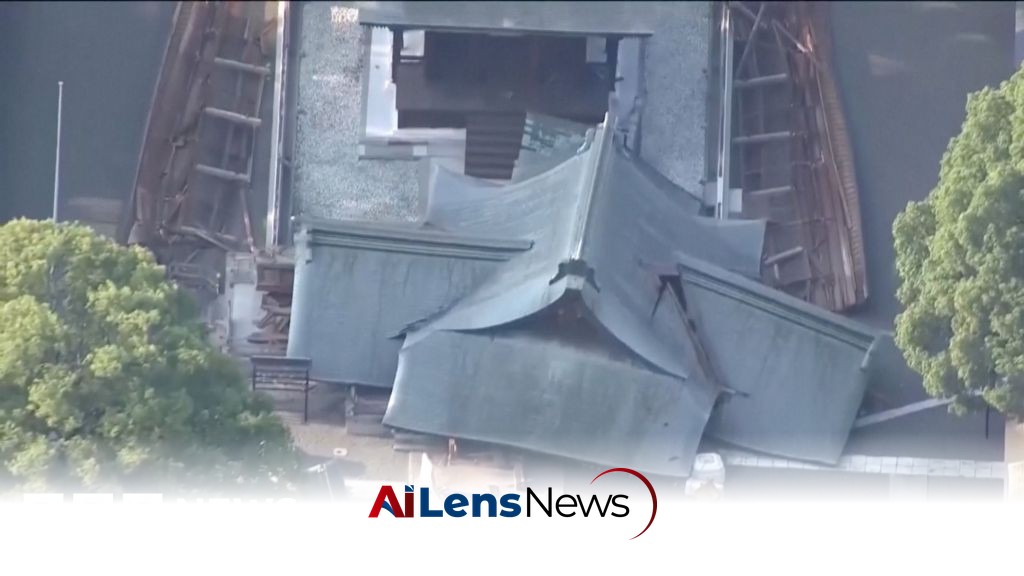


A significant earthquake hit Japan's Kyushu island on July 28, leading to evacuations and infrastructure damage.
New Delhi, India Jul 28, 2026 ALN: A powerful earthquake struck Japan’s Kyushu island on July 28, prompting the evacuation of over 150,000 residents. The quake resulted in widespread damage, including power outages, collapsed structures, and disrupted transportation. This seismic event has raised concerns not only about immediate safety but also about the long-term implications for the affected communities.
The earthquake, which registered a magnitude of 6.8, caused significant infrastructure damage. Reports indicate that more than 40,000 households are currently without electricity, and several roads have been rendered impassable due to debris and structural failures. The magnitude of the quake indicates that it was a serious event, and its impact has reverberated throughout the region, affecting daily life and local economies.
Among the most notable damages was the collapse of a section of a historic castle wall and a footbridge in the Kumamoto prefecture. The Kumamoto Castle, a symbol of the region's history and culture, has faced numerous challenges over the years, including damage from previous earthquakes. Emergency services are actively working to assess the extent of the damage and restore power to affected areas, but the task is complicated by ongoing aftershocks and the precarious condition of many structures.
Authorities have reported that several individuals are missing following the collapse of a chimney at a local paper factory, raising concerns about potential casualties. Search and rescue operations are underway, with local police and emergency responders coordinating efforts to locate those unaccounted for. The psychological toll on families waiting for their loved ones adds another layer of difficulty to the situation, as uncertainty can lead to increased anxiety and distress within the community.
In response to the earthquake, local government officials have set up emergency shelters for displaced residents. Community centers and schools have been repurposed to accommodate those who have lost their homes or are unable to return due to unsafe conditions. The swift action by local authorities highlights the importance of emergency preparedness in disaster-prone areas, as the infrastructure for such a response can significantly affect recovery timelines.
Residents have been urged to remain vigilant, as aftershocks are expected in the coming days. Local authorities are providing updates on safety measures and resources available for those affected by the disaster. The Japanese government has a well-established disaster response framework, and this incident will likely trigger a comprehensive review of emergency protocols to ensure that lessons are learned for future events.
Japan is no stranger to seismic activity, given its location along the Pacific Ring of Fire. The country has implemented strict building codes and disaster preparedness measures over the years, but significant earthquakes still pose a substantial risk to communities. This recent earthquake serves as a reminder of the ongoing challenges faced by residents in earthquake-prone regions.
Historically, Japan has experienced some of the most powerful earthquakes in recorded history, including the Great Kanto Earthquake in 1923 and the Great East Japan Earthquake in 2011. Each of these events has shaped national policies and public awareness regarding earthquake preparedness. The resilience of the Japanese people in the face of such disasters is well documented, and community solidarity often emerges as a powerful tool for recovery.
As recovery efforts continue, the focus remains on ensuring the safety and well-being of those impacted. Psychological support services are also crucial in the aftermath of such traumatic events, as they can help individuals and families process their experiences and begin to rebuild their lives. Local governments are likely to coordinate with mental health professionals to provide necessary resources to those in need.
In addition to immediate relief efforts, the long-term implications of this earthquake will need to be addressed. Rebuilding efforts will require significant investment and planning to ensure that structures are not only restored but also reinforced to withstand future seismic events. This may involve revisiting building codes and integrating advanced engineering practices that account for the unique geological conditions of the region.
Authorities are expected to provide further updates as the situation develops, and residents are encouraged to stay informed through official channels. The importance of community engagement in recovery processes cannot be overstated, as local input can lead to more effective and tailored responses to the needs of those affected. As Japan continues to navigate the challenges posed by natural disasters, the resilience and determination of its people will play a pivotal role in shaping the future of the affected regions.
In light of this earthquake, discussions surrounding disaster preparedness are likely to intensify. Japan's government has long recognized the necessity of robust disaster management strategies, and this incident may prompt further investments in infrastructure resilience. This includes not only physical structures but also community education programs aimed at enhancing public awareness of earthquake preparedness.
Schools, workplaces, and local organizations may implement training drills and workshops to equip residents with the knowledge and skills to respond effectively in the event of future seismic events. These initiatives can foster a culture of preparedness that empowers individuals and communities to act swiftly and efficiently when faced with disaster.
Additionally, the integration of technology in disaster response is becoming increasingly important. The use of early warning systems, which can alert residents seconds before an earthquake strikes, has the potential to save lives and reduce injuries. Innovations in building materials and designs that can better withstand earthquakes are also essential components of future planning. This may include the use of flexible materials that can absorb seismic energy or the development of smart buildings equipped with sensors to monitor structural integrity.
Japan's experience with earthquakes has often led to international collaboration in disaster response and recovery. Many countries have expressed their willingness to assist in the aftermath of this seismic event, offering resources and expertise that can aid in recovery efforts. Such support can be invaluable, particularly in the initial stages of disaster response when local resources may be overwhelmed.
Furthermore, Japan has been a leader in sharing its knowledge and experience with other nations that face similar seismic risks. By participating in international forums and providing training programs, Japan can help other countries develop their disaster preparedness and response strategies, ultimately fostering a global culture of resilience.
As the situation in Kyushu continues to unfold, the focus remains on recovery and rebuilding. The impact of this earthquake will be felt for years to come, and the lessons learned from this event will undoubtedly shape future policies and practices in disaster management. The resilience of the Japanese people, combined with a commitment to preparedness and community support, will be critical in navigating the challenges ahead.
In the wake of such disasters, it is essential to remember that recovery is a long-term process that requires collaboration among government agencies, non-profit organizations, and community members. By working together, the people of Kyushu can not only rebuild their homes and infrastructure but also strengthen the bonds that hold their communities together. The aftermath of this earthquake serves as a reminder of the fragility of life and the importance of preparedness, resilience, and solidarity in the face of adversity.
To learn more about the latest developments in Crime & Law, stay updated with our exclusive reports and analyses on AiLensNews.

