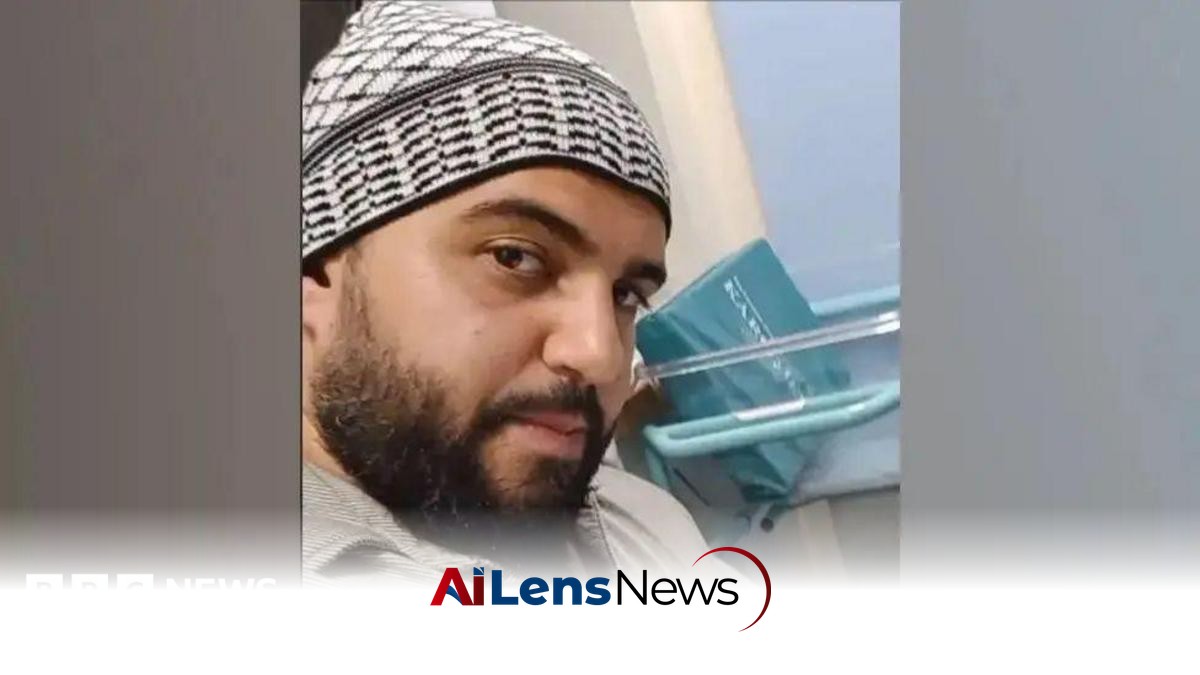


The Greater Manchester Police have issued an apology after failing to examine devices belonging to Jihad Al-Shamie prior to his attack on a synagogue, which resulted in two fatalities.
New Delhi, India Jul 23, 2026 ALN: A police chief has apologized after admitting phones were seized from the Manchester synagogue attacker months before the car and knife assault but they were not examined.
Jihad Al-Shamie, 35, was on bail for an alleged rape when he carried out the attack on Heaton Park Synagogue in Crumpsall on 2 October 2025, in which two Jewish men were killed. The tragic event has raised serious questions regarding the effectiveness of law enforcement in preventing acts of violence, particularly those motivated by extremism.
His devices, which contained evidence of his extreme views, were seized after he was arrested in February and September but not analysed. The failure to examine these devices has been described as a significant oversight, particularly given the context of Al-Shamie's known criminal history and the nature of the charges he was facing.
Greater Manchester Police Chief Constable Sir Stephen Watson said he was "deeply sorry", conceding that "the information contained within these devices would have inspired further investigative action." This admission not only highlights the procedural failures within the police department but also raises concerns about the protocols in place for handling sensitive information related to potential threats.
Sir Stephen said: "In conducting an internal review, it became apparent that GMP had seized Al-Shamie's mobile devices, at the point of each arrest. The significance of the data contents of these devices was substantial in respect of evidencing an extremist mindset." The implications of this statement are profound, as it suggests a systemic issue within the police force regarding the prioritization of cases and the allocation of resources to investigate potential threats.
"I am disappointed at the prospect of adding to the distress of all of those affected by the terrible events last October. For this, I am deeply sorry," he added, acknowledging the pain and suffering that the victims' families are enduring as a result of this oversight.
The apology came after the sentencing of Mohammad Bashir, who plotted a separate attack on the UK's Defence Academy in Shrivenham with Al-Shamie. Details emerged in the case at Manchester Crown Court that the pair had been discussing their extremist views in WhatsApp chats, including preparing for a "war." This connection between the two individuals further underscores the importance of monitoring communications among known extremists, as these discussions can provide critical insights into potential future actions.
Meanwhile, the Independent Office for Police Conduct (IOPC) confirmed it was investigating "all previous contact between Greater Manchester Police and Jihad Al-Shamie prior to the terror attack on 2 October 2025." This investigation is crucial for understanding the extent of the police's knowledge regarding Al-Shamie's activities and the adequacy of their responses to the reports of his conduct.
A spokesperson for the police watchdog said this included the actions taken by police in response to reports of crimes committed by him. The IOPC's involvement is a critical step in ensuring accountability and transparency in the police's handling of this case, particularly in light of the serious allegations against Al-Shamie.
One officer is under investigation by the IOPC for potential misconduct in relation to their handling of allegations of rape and other sexual offences against Al-Shamie. This aspect of the investigation highlights the complexities involved in dealing with cases that intersect with both sexual violence and extremist ideologies. It raises questions about whether the police system is adequately equipped to address such multifaceted issues.
"This does not necessarily mean that disciplinary proceedings will follow. This decision will be made on conclusion of the investigation," the spokesperson said, indicating that the outcome of the investigation could have significant implications for the officer involved and the police department as a whole.
Melvin Cravitz and Adrian Daulby were killed after Al-Shamie, from Prestwich, drove his Kia Picanto into the gates of the synagogue and began attacking people with a knife. The choice of target— a place of worship during a significant religious observance— underscores the calculated nature of the attack and the need for law enforcement to be vigilant in monitoring potential threats to public safety.
Worshippers had gathered to mark Yom Kippur, the holiest day of the year for Jews. The timing of the attack exacerbates the tragedy, as it not only resulted in loss of life but also instilled fear within the Jewish community and raised concerns about religious intolerance and antisemitism in the UK.
Al-Shamie, who was wearing a fake suicide belt, was killed by police gunfire at the scene. The presence of a fake suicide belt indicates a willingness to escalate violence and a desire to instill fear among the public. Such actions necessitate a serious examination of how police departments assess and respond to threats posed by individuals with extremist ideologies.
The IOPC said its investigation would consider whether GMP missed any opportunities to prevent the attack. This inquiry is essential for understanding the systemic failures that led to this tragic event and ensuring that lessons are learned to prevent similar occurrences in the future.
The watchdog said it was made aware of the information recovered from Al-Shamie's devices by GMP last week, and would review it as part of the investigation. The revelation of this information has the potential to alter the narrative surrounding the police's preparedness and response to Al-Shamie's actions leading up to the attack.
Sir Stephen said the end of legal proceedings against Bashir meant rules around sharing information about a live criminal case had been lifted. He said Al-Shamie had been arrested on 13 February 2025 on suspicion of breaching a non-molestation order; and on the 21 September 2025 on suspicion of rape. These arrests, combined with the subsequent failure to analyze his devices, paint a troubling picture of the police's ability to connect the dots in cases involving potential threats to public safety.
"Regrettably, I can confirm that the significance of the information stored on Al-Shamie's devices was not realised as they had not been examined before the attack took place on the 2 October 2025," he said. This admission is a stark reminder of the importance of timely and thorough investigations, particularly in cases involving individuals with a history of violence or extremist beliefs.
Sir Stephen said there was "little doubt" the extremist messages on the attackers' phones would have led to further investigation, but the devices were not reviewed. This oversight not only highlights procedural failures but also raises broader questions about the effectiveness of current policing strategies in addressing the complex issues of extremism and public safety. The implications of this case extend beyond the immediate tragedy, as they call into question the adequacy of resources and training provided to law enforcement agencies dealing with such sensitive and high-stakes situations.
To learn more about the latest developments in Crime & Law, stay updated with our exclusive reports and analyses on AiLensNews.

