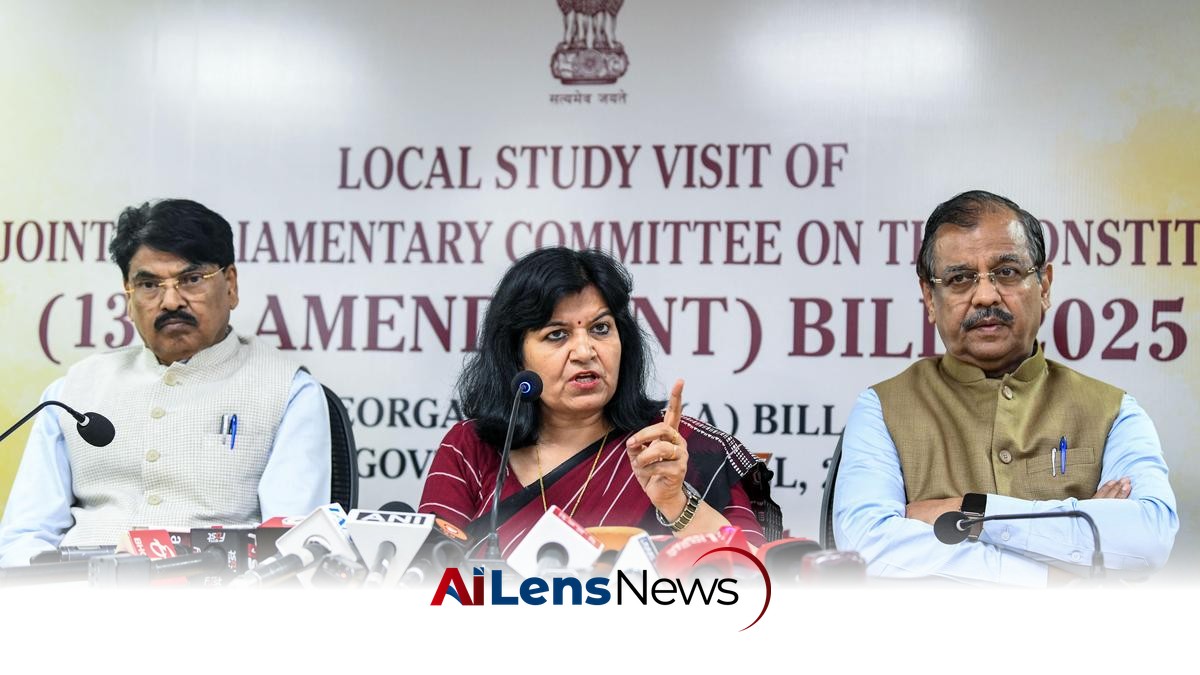


The Joint Committee of Parliament has postponed the adoption of its report on the 130th Amendment Bill, which seeks to address the detention of PMs and CMs.
New Delhi, India Jul 17, 2026 ALN: The Joint Committee of Parliament, which is tasked with examining the 130th Amendment Bill, has recently made headlines by postponing the adoption of its draft report. This decision was reached during a meeting held on a Friday, where committee members expressed the need for further discussions before finalizing the report. The bill in question aims to address the legal framework surrounding the detention of high-ranking officials, including Prime Ministers, Union Ministers, and Chief Ministers, who are held for 30 consecutive days on serious charges.
The proposal to amend the existing laws governing the detention of these officials is significant, as it seeks to enhance accountability and transparency in governance. The bill reflects a growing concern over the implications of prolonged detention without trial, which can lead to questions about the integrity of the political system and the rights of individuals in positions of power. By instituting a mechanism for the removal of officials under such circumstances, the bill aims to reinforce the principle of accountability in public office.
During the recent committee meeting, the panel chief, Aparajita Sarangi, emphasized the necessity of further consultations with various stakeholders involved in the legislative process. This sentiment was echoed by other members of the committee, who recognized that the complexities surrounding the bill warrant a more thorough examination. The committee had previously circulated its draft report, which included five recommendations aimed at refining the bill and addressing concerns raised during earlier discussions.
The process of legislative review in a parliamentary setting is inherently collaborative, often requiring input from a diverse range of voices. In this instance, the decision to delay the adoption of the draft report underscores the committee's commitment to ensuring that all perspectives are considered. This is particularly important given the sensitive nature of the proposed amendments, which could have far-reaching implications for political accountability and governance standards in the country.
It is worth noting that dissenting opinions were expressed during the committee's deliberations. AIMIM leader Asaduddin Owaisi and NCP MP Supriya Sule had initially submitted dissent notes regarding the draft report. However, both leaders chose to withdraw their notes following the committee's decision to defer the adoption, indicating a willingness to engage in further dialogue and collaboration moving forward.
As the discussions continue, the implications of the 130th Amendment Bill remain a topic of considerable interest. Proponents of the bill argue that it is a necessary step toward enhancing democratic governance and ensuring that individuals in positions of power are held accountable for their actions. Critics, however, may raise concerns about the potential for politicization of the bill, fearing that it could be used as a tool for political maneuvering rather than genuine reform.
The broader context of this legislative initiative can also be linked to ongoing debates about the rule of law and the importance of safeguarding democratic institutions. In many democracies, the balance between maintaining order and protecting civil liberties is a delicate one. The proposed amendments could serve to reinforce the notion that no individual, regardless of their political standing, is above the law. This principle is foundational to democratic governance and is essential for fostering public trust in political institutions.
The Joint Committee's decision to prioritize additional consultations reflects a cautious and considered approach to the legislative process. Engaging with stakeholders—such as legal experts, civil society organizations, and political analysts—will likely provide valuable insights that can help shape the final form of the bill. Such engagement is crucial in ensuring that the legislation is not only effective but also equitable and just.
Looking ahead, the committee's next steps will be pivotal in determining the future of the 130th Amendment Bill. Once the necessary consultations have taken place, the committee will reconvene to revisit the draft report and its recommendations. The outcome of these discussions will be closely monitored by various political and civil society groups, as it could set a precedent for how similar issues are addressed in the future.
In summary, the postponement of the adoption of the draft report by the Joint Committee of Parliament highlights the complexities involved in amending legislation that seeks to address accountability in governance. As discussions unfold, the implications of the 130th Amendment Bill will continue to be a focal point of debate, reflecting broader themes of democracy, rule of law, and the accountability of public officials. The commitment to further consultations indicates a recognition of the importance of inclusivity in the legislative process, ultimately aiming to craft a bill that upholds democratic values while addressing the pressing need for accountability in political office.
In the context of the 130th Amendment Bill, it is essential to understand the historical backdrop against which such legislation is being discussed. The issue of accountability for public officials has gained prominence in recent years, particularly in the face of numerous scandals and allegations of corruption that have surfaced in various levels of government. The public's demand for transparency and accountability has intensified, prompting lawmakers to consider reforms that can help rebuild trust in governmental institutions.
Moreover, the global landscape of governance is increasingly focused on accountability mechanisms for leaders and public officials. Countries around the world are grappling with similar challenges, and many have instituted legal frameworks that provide clear guidelines for the detention and prosecution of high-ranking officials. The 130th Amendment Bill can be seen as part of a broader trend toward enhancing legal safeguards against abuses of power, ensuring that no individual is immune from the law.
Furthermore, the implications of the proposed amendments extend beyond the immediate context of detention laws. They could potentially influence the broader legislative agenda and inspire similar initiatives aimed at reforming other aspects of governance. The discussions surrounding the bill may catalyze a more comprehensive examination of existing laws and practices, leading to a reassessment of how officials are held accountable for their actions.
As the committee continues its deliberations, it is crucial for members to engage with a wide array of stakeholders, including civil society organizations that advocate for human rights and legal experts who can provide insights into the constitutional implications of the proposed changes. This collaborative approach can help ensure that the final legislation is robust and addresses the concerns of various constituencies.
In conclusion, the postponement of the adoption of the draft report by the Joint Committee of Parliament serves as a reminder of the complexities involved in legislative processes, particularly when it comes to issues of accountability and governance. The 130th Amendment Bill reflects a critical juncture in the ongoing dialogue about the rule of law and the responsibilities of public officials. As discussions progress, the committee's commitment to inclusivity and thorough examination will be vital in shaping a legislative outcome that resonates with the principles of democracy and justice.
To learn more about the latest developments in Politics, stay updated with our exclusive reports and analyses on AiLensNews.

