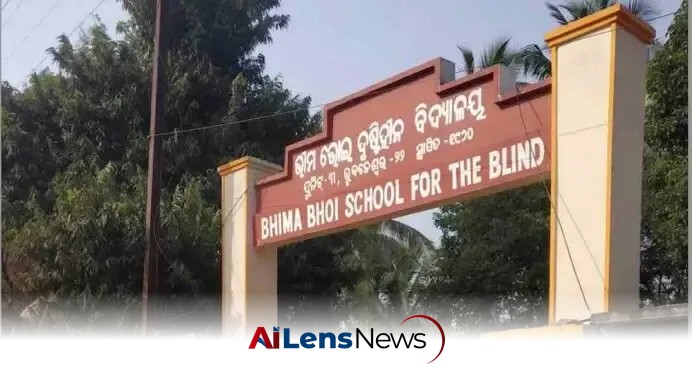


The Odisha State Commission for Protection of Child Rights is investigating serious harassment allegations by visually-impaired students against the hostel superintendent at Bhima Bhoi School.
New Delhi, India Jul 26, 2026 ALN: Bhubaneswar: The Odisha State Commission for Protection of Child Rights (OSCPCR) has initiated an inquiry into serious allegations of physical, mental, and sexual harassment levelled by visually-impaired hostel inmates against the superintendent of Bhima Bhoi Government High School for the Blind in Bhubaneswar. This inquiry comes amid increasing scrutiny over the treatment of vulnerable populations, particularly children with disabilities, in educational and residential settings.
OSCPCR chairperson Babita Patro visited the school on Friday to personally investigate the complaints, a move that underscores the commission's commitment to addressing child rights violations. The allegations are particularly troubling given the historical context of systemic neglect and abuse in institutions catering to individuals with disabilities, which has prompted various human rights organizations to call for more stringent regulations and oversight.
According to the students, hostel superintendent Chandrasekhar Pradhan physically assaulted them during a prayer session on July 12 while allegedly in a drunken state. This incident reportedly involved not only verbal abuse but also physical violence, raising serious questions about the safety protocols in place at the school. Several female students further accused him of harassment and inappropriate behaviour, including unwanted physical contact and suggestive comments. These allegations reflect broader issues of power dynamics and abuse that can occur in institutional settings, particularly where individuals are already marginalized.
In light of these complaints, the affected students felt compelled to approach the child rights body after previous complaints raised with the school administration went unaddressed. This highlights a critical gap in the mechanisms for reporting and addressing grievances within the institution, as well as a potential culture of silence that can prevail in such environments. The importance of creating safe channels for students to report abuse cannot be overstated, particularly in institutions that serve vulnerable populations.
During her on-site visit, Patro interacted with the affected students, the headmistress, staff, and the accused superintendent to gather firsthand accounts of the situation. Her engagement with the students is particularly noteworthy, as it emphasizes the commission's approach of prioritizing the voices of children in all matters concerning their rights and well-being. Patro has sought an Action Taken Report (ATR) from the headmistress, the district education officer, and the district social security officer under Section 13(1)(j) of the Commissions for Protection of Child Rights (CPCR) Act, 2005. This section addresses violations of child rights, non-implementation of protective laws, and non-compliance with welfare guidelines, indicating the seriousness with which the commission is treating these allegations.
The school administration has reportedly suspended the hostel superintendent and taken initial administrative steps, with further action to follow based on the inquiry’s outcome. Headmistress Kalashri Das emphasised that the institution treats students with parental care, a statement that, while reassuring, must be critically assessed in light of the allegations. The effectiveness of such care can only be validated through transparent investigations and accountability measures. Das noted that the OSCPCR probe would guide next steps, indicating a willingness to cooperate with oversight bodies to ensure the safety of students.
Patro stated that appropriate measures would be decided after reviewing her visit report and the submitted ATRs. This commitment to a thorough review process is essential for restoring trust among the student body and their families, as well as for ensuring that any necessary reforms are implemented to prevent future incidents. The commission's findings could lead to broader implications for similar institutions across the state, potentially influencing policy changes aimed at enhancing the safety and well-being of children with disabilities.
The incident has raised significant concerns about the safety and protection of vulnerable children in state-run residential facilities for the visually impaired, highlighting the need for robust oversight in such institutions. It is crucial to consider the systemic issues that contribute to such incidents, including inadequate training for staff, lack of resources, and insufficient oversight mechanisms. The commission is expected to take decisive action to ensure accountability and prevent recurrence, which may involve not only punitive measures against individuals but also systemic reforms to improve the overall environment in such schools.
The allegations at Bhima Bhoi Government High School for the Blind are not isolated; they reflect a broader pattern of challenges faced by institutions serving children with disabilities in India. Over the years, there have been numerous reports of abuse and neglect in similar facilities, prompting advocacy groups to demand better regulations and protections for these vulnerable populations. The OSCPCR's inquiry could serve as a catalyst for change, encouraging other states to re-evaluate their policies and practices concerning the care and protection of children in special schools.
In conclusion, the ongoing inquiry into the allegations of harassment at Bhima Bhoi Government High School for the Blind is a critical moment for child rights in Odisha. It highlights the urgent need for vigilance and accountability in institutions that serve children, particularly those who are already at a disadvantage due to disabilities. The outcome of this inquiry will not only impact the individuals involved but could also set a precedent for how such cases are handled in the future, potentially leading to improved protections for all children in similar circumstances.
In recent years, there has been a growing awareness of the rights of children with disabilities, spurred by national and international advocacy. Various frameworks, including the United Nations Convention on the Rights of Persons with Disabilities, emphasize the need for inclusive education and protection against abuse. However, the implementation of these frameworks often falls short due to a lack of resources, training, and awareness among staff in educational institutions. This inquiry by the OSCPCR could serve as a pivotal moment in addressing these gaps, not only at Bhima Bhoi Government High School but across similar institutions in the region.
Furthermore, the involvement of the OSCPCR highlights the role of state commissions in safeguarding child rights and ensuring that institutions adhere to established guidelines and laws. Their investigations can lead to significant changes in policy and practice, driving home the importance of accountability in ensuring the safety of vulnerable populations. As the inquiry unfolds, it will be essential for stakeholders, including parents, educators, and policymakers, to engage in discussions about best practices for protecting children in educational settings, particularly those with disabilities.
The implications of this case extend beyond the immediate concerns at Bhima Bhoi Government High School. It raises critical questions about how society perceives and treats individuals with disabilities, urging a reevaluation of attitudes and practices that contribute to their marginalization. By addressing these issues head-on, there is an opportunity to foster a more inclusive and supportive environment for all children, regardless of their abilities.
As the inquiry progresses, it is crucial for the OSCPCR to maintain transparency and keep the public informed about the findings and subsequent actions. This transparency will be vital in rebuilding trust with the student body and their families, who may feel vulnerable and uncertain in the wake of these allegations. The commission's commitment to upholding child rights and ensuring accountability will be instrumental in shaping the future of child protection in Odisha.
Ultimately, the situation at Bhima Bhoi Government High School for the Blind serves as a reminder of the ongoing challenges faced by children with disabilities in India. It emphasizes the need for continuous advocacy, vigilance, and reform to ensure that all children, particularly those in vulnerable situations, are treated with dignity and respect. The outcome of this inquiry has the potential to influence not only local practices but also to inspire broader movements towards improving the lives of children with disabilities across the country.
To learn more about the latest developments in Crime & Law, stay updated with our exclusive reports and analyses on AiLensNews.

