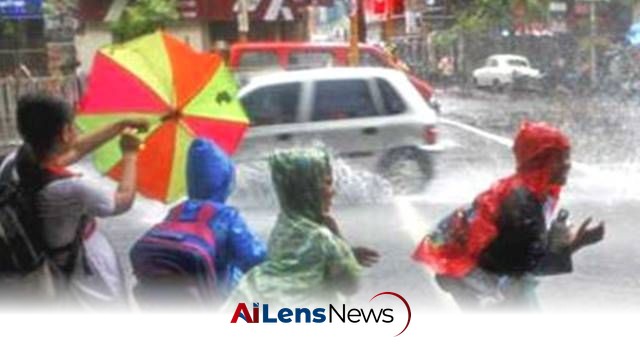


In response to ongoing heavy rainfall, Odisha's Sonpur district has declared a holiday for all educational institutions, including schools and Anganwadi centres.
Bhubaneswar, India Jul 17, 2026 ALN: Sonpur: As downpour continued over the last two days, the administration in Odisha’s Sonpur has declared a holiday for all educational institutions in the district on Friday. This decision comes in response to a significant weather event, as the region has been experiencing persistent rainfall that has raised concerns about safety and accessibility.
The decision to keep schools, colleges, and Anganwadi centres closed was taken as the India Meteorological Department (IMD) has forecast more downpour and heavy to very heavy rain in the region. The IMD has also issued an orange warning for the district, which indicates that severe weather conditions are expected, prompting local authorities to take necessary precautions.
Sources said the decision was made by the District Collector as a precautionary measure to ensure the safety of students and children. The District Collector plays a crucial role in disaster management and public safety, especially during extreme weather events. By closing educational institutions, the administration aims to prevent any potential accidents or emergencies that could arise from flooding or other rain-related hazards.
Following the Collector’s instruction, District Education Officer Meenarani Pradhan issued orders for the closure of all government and private schools in the district. This directive underscores the importance of coordinated efforts among various government departments to protect the well-being of the community, particularly vulnerable populations such as children.
Heavy rainfall can lead to a host of challenges, including flooding, waterlogging, and disruptions to transportation. In many regions of India, the monsoon season brings not only much-needed water for agriculture but also poses risks of natural disasters. The IMD's forecasts are critical for local governments and residents to prepare for adverse conditions, and the issuance of an orange warning signifies that the situation could escalate, requiring immediate attention and action.
The impact of heavy rains on educational institutions extends beyond mere closures. Students may miss out on valuable learning opportunities, and the disruption can affect the academic calendar. Schools often have to adjust their schedules, which can lead to a backlog of lessons and impact examination timelines. Additionally, the psychological effects of such weather events on students and teachers should not be overlooked, as anxiety about safety and the uncertainties of weather can affect mental health.
In Sonpur, like in many parts of Odisha, the monsoon season is a double-edged sword. While it replenishes water sources and supports agricultural livelihoods, it can also lead to significant disruptions in daily life. Farmers rely on the rains to irrigate their crops, but excessive rainfall can damage fields, lead to crop loss, and ultimately affect food security in the region. The government’s decision to close schools is a reflection of the need to prioritize safety in the face of these challenges.
Moreover, the closure of educational institutions can have broader implications for the community. Parents may need to adjust their work schedules to care for their children, leading to economic impacts. In areas where families rely on daily wages, this can create financial strain. Additionally, community services and activities may also be disrupted, affecting social cohesion and support networks.
As the IMD continues to monitor weather patterns, local authorities in Sonpur and surrounding areas will need to remain vigilant. The administration's response to the heavy rains will likely involve ongoing assessments of the situation, including monitoring water levels in rivers and drainage systems, and ensuring that emergency services are prepared to respond to any incidents that may arise.
In conclusion, the decision to close educational institutions in Sonpur underscores the importance of safety during adverse weather conditions. While the immediate focus is on protecting children and ensuring their well-being, the long-term effects of such weather patterns on education, agriculture, and the economy will require careful consideration and planning. As the region navigates the challenges posed by the monsoon, collaborative efforts among government agencies, educators, and the community will be essential in mitigating the impacts of heavy rainfall and ensuring a resilient response to future weather events.
Understanding the broader context of such weather-related closures is crucial. The monsoon season in India, which typically lasts from June to September, is characterized by heavy rainfall that is vital for replenishing water supplies and supporting agriculture. However, the intensity and unpredictability of rainfall are increasing due to climate change, leading to more frequent instances of extreme weather events. This poses a challenge for local governments and communities, which must adapt to these changing conditions.
In Odisha, the government has historically faced challenges related to flooding and water management. The state has implemented various measures to improve infrastructure, such as enhancing drainage systems and constructing flood barriers. However, the effectiveness of these measures is often tested during periods of heavy rainfall, and the need for ongoing investment in disaster preparedness remains critical.
Additionally, the educational sector in India is already grappling with numerous challenges, including overcrowded classrooms, teacher shortages, and varying levels of access to educational resources. The closure of schools due to weather events can exacerbate these existing issues, leading to further disparities in education quality and access. Vulnerable populations, including those from lower socio-economic backgrounds, may face greater difficulties in recovering from such disruptions, highlighting the need for targeted support and resources.
Furthermore, the psychological impact of weather events on children should not be underestimated. Prolonged exposure to adverse conditions can lead to anxiety and stress, affecting their overall well-being and academic performance. Schools play a crucial role in providing not only education but also a safe environment for children, and closures can disrupt this support system.
As the Sonpur administration navigates the immediate challenges posed by heavy rainfall, it is also essential to consider long-term strategies for resilience. This includes investing in infrastructure improvements, enhancing disaster preparedness plans, and fostering community engagement in addressing the challenges posed by climate change. By taking a proactive approach, the region can better equip itself to handle future weather events and minimize their impact on education, agriculture, and the economy.
In summary, while the closure of educational institutions in Sonpur is a necessary precaution in light of the heavy rains, it also serves as a reminder of the broader implications of such weather events on the community. As the region continues to face the dual challenges of benefiting from the monsoon while mitigating its risks, collaboration among government agencies, educators, and community members will be crucial in fostering a resilient and adaptive response to the changing climate.
To learn more about the latest developments in Local & Regional, stay updated with our exclusive reports and analyses on AiLensNews.

