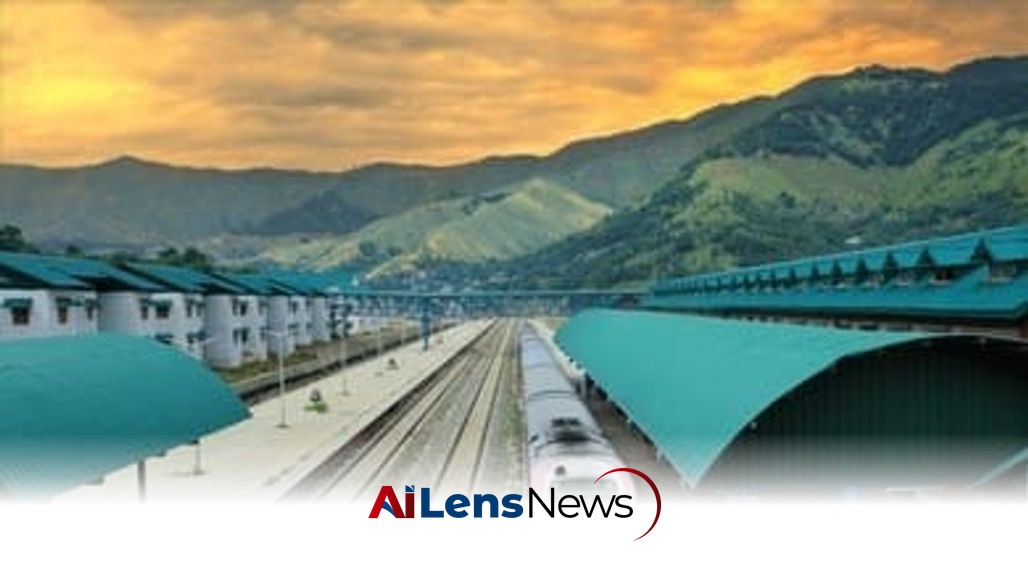


Northern Railway has announced the extension of the cancellation of three train services on the Banihal–Budgam–Baramulla section until August 14, 2026, due to ongoing track maintenance.
New Delhi, India Jul 30, 2026 ALN: Northern Railway has extended the cancellation of three passenger train services operating on the Banihal–Budgam–Baramulla section until August 14, 2026, due to ongoing scheduled track maintenance works. This decision highlights the importance of infrastructure maintenance in ensuring the safety and reliability of rail transport in the region, which is crucial for both daily commuters and the economy.
According to a fresh notice issued by the Office of the Divisional Railway Manager (DRM), Jammu, the previously suspended train services will continue to remain cancelled from July 31 to August 14, 2026, to facilitate pre-BCM high-temperature destressing of Long Welded Rails (LWR) in the Banihal–Baramulla section. This technical process is essential for the longevity and stability of the railway tracks, particularly in regions that experience significant temperature fluctuations.
The specific services whose cancellation has been extended include Train No. 74615: Banihal–Baramulla; Train No. 74632: Baramulla–Budgam; and Train No. 74628: Budgam–Banihal. These trains are significant for the local populace, providing essential connectivity between key towns and cities in the Kashmir Valley.
The extension of service cancellations means that the 10:50 a.m. Banihal–Baramulla passenger train, a vital service for daily commuters, students, and office-goers traveling between Banihal and various stations in the Kashmir Valley, will also remain suspended during this extended period. The cancellation of such a crucial service raises concerns among the local community, as it affects their daily routines and access to education and employment opportunities.
Railway officials have emphasized that the extension is necessary to complete the planned track maintenance and rail destressing works. These maintenance activities are vital for ensuring the safety and reliability of train operations, particularly in a region like Kashmir, where the railway infrastructure often faces challenges due to weather conditions and geological factors. The high-altitude terrain and the unique climatic conditions of the region necessitate regular maintenance to prevent accidents and ensure smooth operations.
Passengers have been advised to make alternate travel arrangements and check the latest train schedules before commencing their journey. This advisory is crucial, as the cancellation of these train services can lead to increased congestion on alternative modes of transport, including buses and private vehicles, which may not have the capacity to accommodate the additional passengers. Commuters are encouraged to explore carpooling options or consider adjusting their travel schedules accordingly.
The Banihal–Budgam–Baramulla section is part of the larger Jammu and Kashmir railway network, which has been instrumental in connecting remote areas with major urban centers. The railway line has historical significance and has undergone various phases of development since its inception. The introduction of passenger services in this region has facilitated easier access to education, healthcare, and employment, contributing to the overall socio-economic development of the area.
Moreover, the railway services in Jammu and Kashmir are not merely a means of transportation but also a lifeline for many residents. The region has a diverse population that relies on these services for various purposes, including trade, tourism, and cultural exchange. The cancellation of train services can have a ripple effect on local businesses, particularly those that rely on the movement of goods and services, thereby impacting the economy at a larger scale.
Furthermore, the maintenance and upgrading of railway infrastructure are critical for improving the overall travel experience for passengers. The Northern Railway's commitment to maintaining safety standards is commendable, yet it also poses challenges for commuters who depend on these services. The railway authorities must strike a balance between necessary maintenance and minimizing disruption to services.
In recent years, the Jammu and Kashmir region has seen increased investment in railway infrastructure, aimed at enhancing connectivity and promoting tourism. The government has recognized the potential of the railway network to boost the local economy by facilitating easy access to the picturesque landscapes and cultural heritage of the region. However, such investments require regular maintenance to ensure that the infrastructure remains safe and efficient.
Looking ahead, it is essential for the railway authorities to communicate effectively with the public regarding service changes and maintenance schedules. Transparency in operations can help mitigate frustrations among commuters and allow them to plan their travel more effectively. Additionally, exploring alternative solutions, such as temporary shuttle services or increased bus services during maintenance periods, could alleviate some of the burdens faced by passengers.
In summary, the extension of train service cancellations on the Banihal–Budgam–Baramulla section until August 14, 2026, underscores the ongoing commitment of Northern Railway to maintaining infrastructure and ensuring safety. While these maintenance efforts are necessary, they also present challenges for the local population, who rely heavily on these services for their daily needs. As the situation develops, it will be crucial for railway officials to keep the public informed and consider measures to support affected passengers during this maintenance period.
In addition to the immediate impact on commuters, the cancellation of these train services raises broader questions about the resilience of transportation infrastructure in the region. The Kashmir Valley is characterized by its unique geographical and climatic conditions, which pose ongoing challenges to railway operations. Frequent maintenance and upgrades are necessary to ensure that the railways can withstand the rigors of the local environment, including heavy snowfall in winter and landslides during monsoon seasons.
Moreover, the reliance on a single mode of transportation can lead to vulnerabilities in the overall transport network. As the region continues to develop, diversifying transportation options will be crucial. Investments in road infrastructure, bus services, and even potential air transport could provide necessary alternatives for residents and travelers alike.
The local government and railway authorities must also consider the socio-economic implications of these cancellations. For many families, the railway is not just a means of getting from point A to point B; it is a critical link that enables access to jobs, education, and healthcare. The loss of these services could exacerbate existing inequalities, particularly for those who lack access to private vehicles or other means of transport.
As the railway authorities work to complete the necessary maintenance, it will be essential to engage with the community. Public consultations and feedback mechanisms could help address concerns and gather input on how best to support affected residents. Ensuring that the public feels heard and considered in these decisions can foster goodwill and understanding, even in the face of service disruptions.
In conclusion, while the extension of train service cancellations on the Banihal–Budgam–Baramulla section until August 14, 2026, is a necessary step for safety and reliability, it also underscores the need for a more comprehensive approach to transportation in the region. By investing in multiple modes of transport, engaging with the community, and maintaining transparency about service changes, the authorities can help mitigate the impact of such disruptions and support the ongoing development of Jammu and Kashmir's transportation infrastructure.
To learn more about the latest developments in Transport & Mobility, stay updated with our exclusive reports and analyses on AiLensNews.

