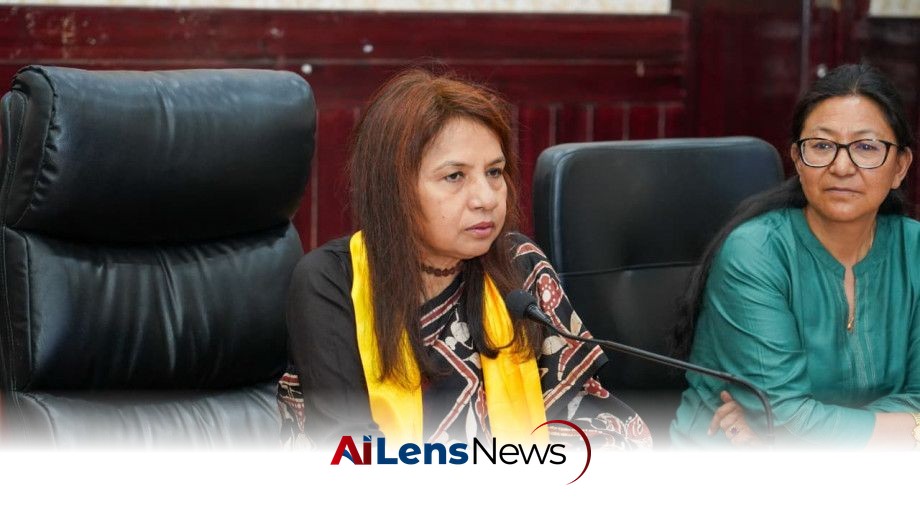


The NHRC review meeting in Leh focused on pressing human rights and mental health challenges, emphasizing the need for effective interventions.
New Delhi, India Jul 21, 2026 ALN: The National Human Rights Commission (NHRC) convened a significant review meeting in Leh, bringing to the forefront critical issues surrounding human rights and mental health. The meeting aimed to assess the current state of human rights in the region and discuss strategies for improvement. This gathering is particularly relevant given the unique socio-political landscape of Leh, which has been subject to rapid changes in recent years, affecting both the rights of its residents and their mental well-being.
Leh, located in the northernmost part of India, is known for its breathtaking landscapes and rich cultural heritage. However, it is also a region that has faced various challenges, including socio-economic shifts due to tourism, migration, and climatic changes. These factors have contributed to a complex interplay of stressors impacting the mental health of the local population. The NHRC's focus on these issues highlights a growing recognition of the need to address mental health as a vital component of human rights.
During the session, various stakeholders, including local officials and mental health professionals, highlighted the pressing need for enhanced support systems for mental health. The discussions underscored the importance of addressing mental health challenges, particularly in the context of the ongoing socio-economic changes in the region. Mental health issues often remain stigmatized and underreported, leading to a lack of adequate resources and support for those in need. The NHRC's meeting serves as a platform to challenge these stigmas and promote a more inclusive approach to mental health care.
Several key issues were brought to light during the meeting:
The NHRC officials proposed several recommendations to address the highlighted issues:
The meeting concluded with a commitment to prioritize human rights and mental health in policy-making and community initiatives. NHRC officials reiterated their dedication to ensuring that the rights of all individuals are upheld and that mental health is treated with the urgency it deserves. This commitment aligns with broader national and international efforts to promote mental health as a fundamental human right, recognizing that mental well-being is integral to overall health and quality of life.
As the discussions continue, it is clear that collaborative efforts will be crucial in addressing these pressing challenges in Leh and beyond. The NHRC's engagement with local stakeholders is a positive step towards creating a more just and equitable society, where individuals can access the support they need to thrive. Moreover, the focus on mental health within the framework of human rights reflects a growing understanding of the interconnectedness of these issues, emphasizing that mental health is not just a personal concern but a societal imperative.
In conclusion, the NHRC's review meeting in Leh serves as a critical reminder of the ongoing challenges related to human rights and mental health in the region. The outcomes of this meeting could potentially shape future policies and initiatives aimed at improving the lives of individuals in Leh, ensuring that their rights are protected and their mental health needs are addressed. As the NHRC moves forward with its recommendations, the hope is that these efforts will lead to meaningful changes that enhance the well-being of the community as a whole.
To better understand the implications of the NHRC's review meeting, it is important to consider the broader context of human rights and mental health in India. The country has made strides in recent years to address mental health issues, highlighted by the Mental Healthcare Act of 2017, which aims to provide mental health care and services for persons with mental illness. However, implementation remains inconsistent across various regions, particularly in areas like Leh, where access to services is limited and awareness is still developing.
Furthermore, the unique demographic and cultural characteristics of Leh add complexity to the situation. The region is home to a diverse population, including ethnic minorities and indigenous groups, who may face additional barriers to accessing mental health services. The NHRC's focus on these communities is crucial, as it underscores the need for tailored approaches that consider cultural sensitivities and local dynamics.
Additionally, the impact of climate change on mental health cannot be overlooked. Leh has experienced significant environmental changes, including glacial melting and extreme weather patterns, which have profound implications for the livelihoods and mental well-being of its residents. As tourism continues to rise, the pressure on local resources and the environment may further exacerbate mental health challenges. Addressing these interrelated issues requires a comprehensive approach that integrates environmental sustainability with mental health and human rights advocacy.
In light of these considerations, the NHRC's review meeting in Leh is not just a response to immediate concerns but a proactive step towards fostering a holistic understanding of human rights and mental health. By prioritizing these issues, the NHRC is paving the way for a more inclusive and supportive framework that recognizes the complexities of the region and the needs of its inhabitants.
Ultimately, the NHRC's commitment to addressing human rights and mental health issues in Leh reflects a broader movement towards recognizing these areas as integral to overall societal well-being. As discussions and initiatives continue, there is hope that the collective efforts of government bodies, local organizations, and community members will lead to significant advancements in the protection of human rights and the promotion of mental health in Leh and beyond.
To learn more about the latest developments in Crime & Law, stay updated with our exclusive reports and analyses on AiLensNews.

