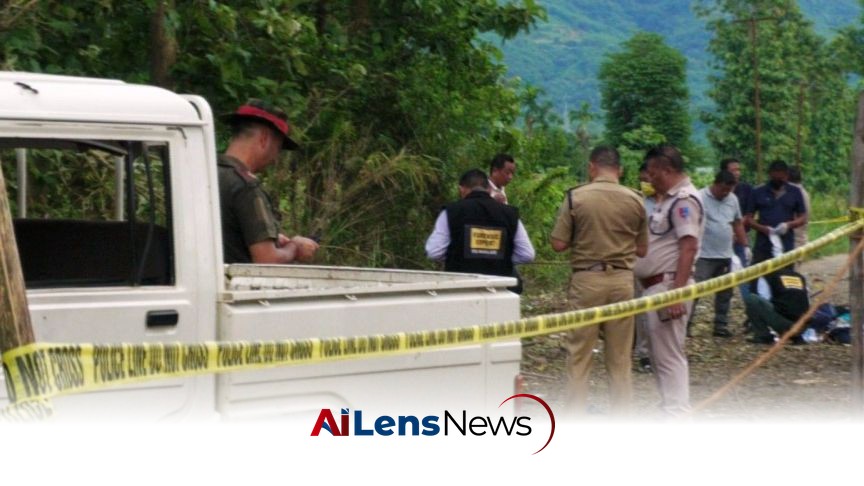


After an IED blast in Chümoukedima, the DGP has called on the public to provide any information that could assist in the investigation.
Kohima, India Jul 15, 2026 ALN: The recent Improvised Explosive Device (IED) blast near the Khovanalla bridge in Chümoukedima has raised serious concerns regarding public safety and security in the region. The incident occurred on July 13, and it has since prompted a robust response from local law enforcement agencies. The Director General of Police (DGP) Rupin Sharma made a visit to the site of the blast on Wednesday, where he emphasized the importance of community involvement in the ongoing investigation.
In his address, DGP Sharma urged the public to come forward with any information that may aid the investigation. This call for assistance is crucial, as community tips can often provide leads that law enforcement might not be able to uncover through traditional investigative methods. The police are particularly interested in reports of any suspicious vehicles or individuals seen fleeing the area at the time of the explosion. Furthermore, they are seeking information about local shops that may have sold materials commonly used in the construction of IEDs, such as iron rods, batteries, fuses, or wiring.
Preliminary investigations revealed that the vehicle involved in the incident was transporting personnel from the Assam Rifles camp, a paramilitary force that plays a significant role in maintaining peace and security in the northeastern states of India. This connection to the Assam Rifles adds a layer of complexity to the investigation, as it suggests that the attack may have been targeted specifically at security forces, reflecting a broader trend of violence against law enforcement in various parts of the country.
Director General Sharma described the investigative window as a "very narrow" one, indicating the challenges faced by law enforcement in this case. He expressed hope that despite these challenges, investigators would be able to gather sufficient evidence to identify those responsible for the blast. His optimism is rooted in the belief that perpetrators often leave behind traces that can be uncovered through diligent forensic analysis.
Forensic capabilities play a critical role in post-blast investigations, and Sharma acknowledged the limitations of local forensic resources in comparison to specialized units such as the National Security Guard (NSG). The NSG, known for its expertise in handling high-stakes threats, has been called in to assist with the investigation. Their involvement is expected to enhance the investigative process, as they bring advanced techniques and experience in dealing with similar incidents.
As the investigation unfolds, decisions regarding its direction will be influenced by the findings of the NSG team. The DGP indicated that the state government is contemplating whether to refer the case to a central agency for further investigation, which could provide additional resources and expertise to tackle the case effectively. This potential escalation reflects the seriousness with which authorities are treating this incident, given the implications it has for public safety and security in the region.
Despite the ongoing uncertainty surrounding the blast, DGP Sharma reassured the public that law enforcement is committed to pursuing all leads and evidence available to them. He stated, "We will keep our ears and eyes open, and we will go by the evidence which we get." This commitment to thorough investigation is essential in maintaining public trust and ensuring that justice is served.
In the context of rising violence in various regions of India, particularly in the northeastern states where insurgent groups have historically operated, this incident raises broader questions about security and stability. The use of IEDs as a method of attack has been a troubling trend, often employed by militant groups to target security personnel and instill fear within the civilian population. The implications of such violence extend beyond immediate physical harm, as they can lead to heightened tensions within communities and further exacerbate divisions.
Moreover, the blast near the Khovanalla bridge could potentially impact local governance and community relations. If the perpetrators are linked to organized groups, this could lead to increased military presence or operations in the area, affecting daily life for residents. The response to this incident may also influence public perceptions of safety and trust in law enforcement, which are critical for effective community policing.
The northeastern region of India has a complex socio-political landscape, characterized by a mix of ethnic diversity and historical grievances. Various insurgent groups have operated in this area, often fueled by demands for autonomy, ethnic recognition, and socio-economic development. As such, incidents like the IED blast can be interpreted through the lens of these underlying tensions, making it essential for law enforcement to navigate not only the immediate threat but also the broader context of community relations.
In light of the blast, community engagement becomes even more vital. The police's appeal for information underscores the importance of a collaborative approach to public safety, where citizens play an active role in supporting law enforcement efforts. Community policing initiatives can foster trust between the police and local residents, which is essential for gathering intelligence and preventing future incidents.
As the investigation continues, it is essential for the public to remain vigilant and engaged. The cooperation of community members can be pivotal in bringing the perpetrators to justice and restoring a sense of security. Public awareness campaigns may also be necessary to educate residents on recognizing suspicious activities and reporting them promptly to authorities.
In conclusion, the IED blast in Chümoukedima serves as a stark reminder of the challenges faced by security forces in combating violence and maintaining peace in sensitive regions. The ongoing investigation, bolstered by the involvement of the NSG and community cooperation, will be crucial in addressing the immediate threat and preventing future incidents. As authorities work to uncover the truth behind this attack, the resilience and unity of the community will be vital in overcoming the challenges posed by such acts of violence. The path forward will require not only forensic expertise and investigative diligence but also a commitment from all stakeholders to work together towards a safer and more secure environment for all residents.
To learn more about the latest developments in Crime & Law, stay updated with our exclusive reports and analyses on AiLensNews.

