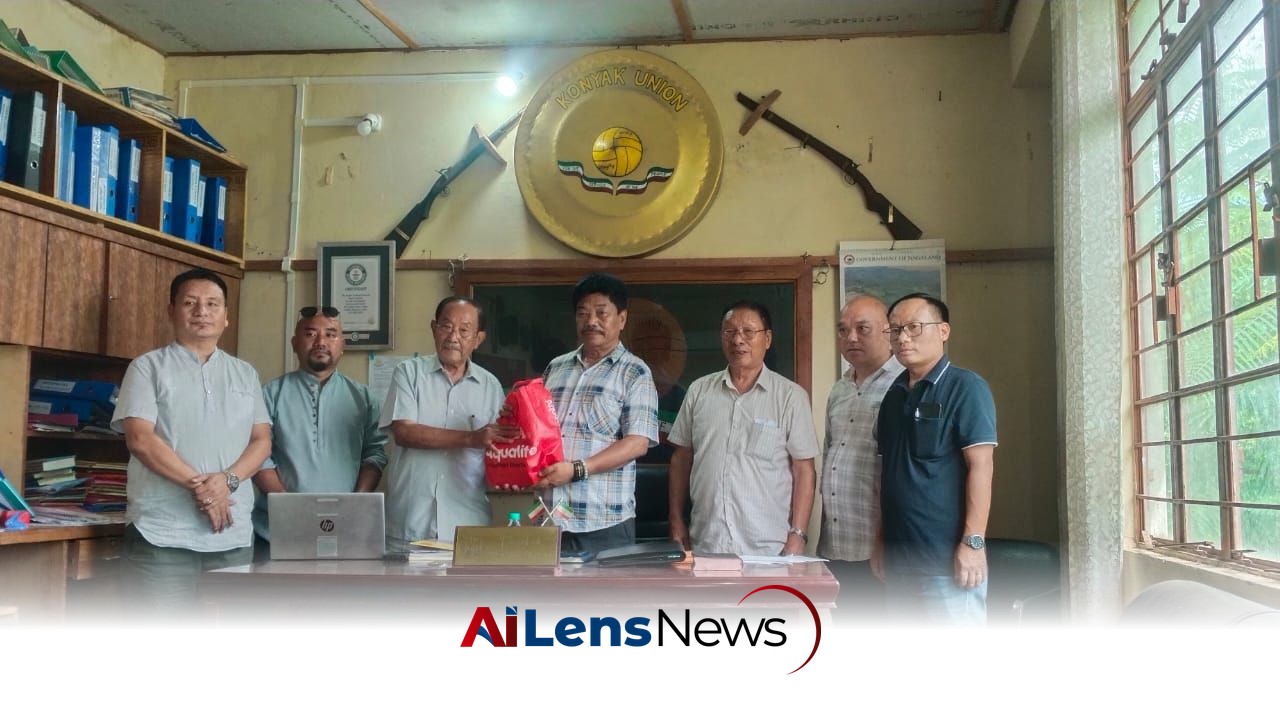


The Naga People’s Front (NPF) has contributed Rs 6 lakh to aid families affected by a recent landslide in Mon district, which resulted in 11 fatalities.
Kohima, India Jul 30, 2026 ALN: Kohima: A relief team of the Naga People’s Front (NPF) party visited Mon district on July 29 to express solidarity with families affected by the July 19 landslide that claimed 11 lives. This tragic event has drawn attention to the vulnerabilities faced by communities in the region, particularly in light of the increasing frequency of landslides and other natural disasters in the hilly terrains of Nagaland. The landslide in Mon district is a stark reminder of the harsh realities that many residents face, especially during the monsoon season when heavy rains can trigger such disasters.
The delegation, comprising key party members, met with representatives of the Konyak Union, a significant local organization that represents the Konyak tribe, one of the major tribes in Nagaland. The Konyak Union plays a vital role in the socio-political landscape of the region, advocating for the rights and welfare of the Konyak people. By engaging with local leaders, the NPF aimed to ensure that the relief efforts were coordinated effectively and that the needs of the affected families were adequately addressed. The NPF's visit not only provided immediate financial support but also signified a commitment to stand with the people during their time of need, reinforcing the notion that political parties can play a constructive role in community welfare during crises.
During this visit, the NPF delegation handed over a relief amount of Rs 6 lakh to the Konyak Union for the affected families. The funds were reportedly raised through voluntary contributions from party members and well-wishers, showcasing a community-driven effort to support those in distress. Such fundraising initiatives are crucial in regions like Nagaland, where government resources may be limited, and local organizations often play a pivotal role in disaster response. The act of coming together to support those in need reflects the strong sense of community that exists in Nagaland, where collective action can often lead to meaningful change.
The delegation was led by Advisor to the Chief Minister Apong Pongener, along with NPF Working President Ahovi Awomi, Senior Vice President Khongjah Konyak, Vice President Shamlau Konyak, and General Secretary Manpha Konyak. Their presence underscored the importance of political leadership in times of crisis and highlighted the NPF's proactive approach to disaster management. Political leaders often serve as a bridge between the government and the community, ensuring that the voices of the affected are heard and that their needs are met swiftly.
Meanwhile, the NPF also expressed grief over a separate landslide incident that occurred on July 28 at Upper Penli Ward in Mokokchung town, which claimed the lives of two young brothers. The tragic loss of 19-year-old Muwalong Sangtam and 16-year-old Thridiba Sangtam, both students of Queen Mary Higher Secondary School, Mokokchung, has sent shockwaves through the community. The NPF extended its condolences to the bereaved family, praying for the departed souls to rest in peace and wishing strength and comfort for the family during their time of grief. Such incidents not only bring sorrow to families but also affect the entire community, as the loss of young lives is felt deeply across social and cultural boundaries.
The incidents in Mon district and Mokokchung town highlight the broader issue of environmental vulnerability in Nagaland. The state, known for its hilly terrain and heavy rainfall, is prone to landslides, particularly during the monsoon season. This year’s heavy rainfall has exacerbated the risk, leading to multiple landslides that have threatened lives and livelihoods. The frequency of such disasters has raised concerns among local communities and authorities about the need for improved disaster preparedness and response mechanisms. The government and local organizations must work together to develop strategies that can effectively mitigate the impacts of such natural calamities.
In recent years, the government of Nagaland has initiated various programs aimed at disaster risk reduction, including community awareness campaigns and infrastructure improvements. These initiatives are designed to educate the public about the risks associated with natural disasters and to promote preparedness at the community level. However, the effectiveness of these measures often depends on community engagement and the ability to mobilize resources swiftly in the aftermath of such events. The NPF's efforts to provide immediate relief are part of a larger narrative about the necessity for political parties and civil society to collaborate in addressing the challenges posed by natural disasters. A coordinated approach ensures that resources are utilized efficiently and that the needs of the affected populations are prioritized.
Moreover, the socio-economic implications of such disasters are profound. Families affected by landslides often face not only the loss of life but also significant financial burdens due to property damage and loss of income. The NPF’s financial support, while crucial in the immediate aftermath, underscores the need for long-term recovery plans that include rebuilding homes, restoring livelihoods, and providing psychological support to those affected. The psychological impact of losing loved ones and homes can be long-lasting, and it is essential that mental health resources are made available to help individuals cope with their grief and trauma.
As communities in Nagaland grapple with the aftermath of these tragic events, there is a growing recognition of the importance of sustainable development practices that can mitigate the impacts of climate change and environmental degradation. This includes responsible land use planning, reforestation efforts, and the construction of resilient infrastructure that can withstand the challenges posed by natural disasters. The integration of environmental sustainability into development planning is crucial for reducing vulnerability and enhancing the adaptive capacity of communities in the face of climate change.
The NPF's response to the landslide incidents serves as a reminder of the critical role that political leadership plays in disaster management. It also highlights the importance of community solidarity in times of crisis. As the people of Nagaland continue to recover from these tragedies, the collective efforts of political parties, local organizations, and the community at large will be essential in fostering resilience and ensuring that such incidents do not lead to further loss and suffering in the future. The role of civil society, including non-governmental organizations and community groups, is also vital in mobilizing support and advocating for the rights of those affected by disasters.
In conclusion, the donation of Rs 6 lakh by the NPF to support the landslide victims in Mon district is a significant gesture of solidarity and compassion. It reflects the party's commitment to the welfare of the people and underscores the critical need for ongoing support and collaboration in the face of natural disasters. As Nagaland navigates the challenges posed by its geographical landscape, the lessons learned from these incidents will be vital in shaping future disaster preparedness and response strategies. The need for a comprehensive approach that includes immediate relief as well as long-term recovery and resilience-building efforts cannot be overstated. Only through a united effort can the people of Nagaland hope to overcome the challenges posed by their environment and build a safer, more sustainable future.
To learn more about the latest developments in Crime & Law, stay updated with our exclusive reports and analyses on AiLensNews.

