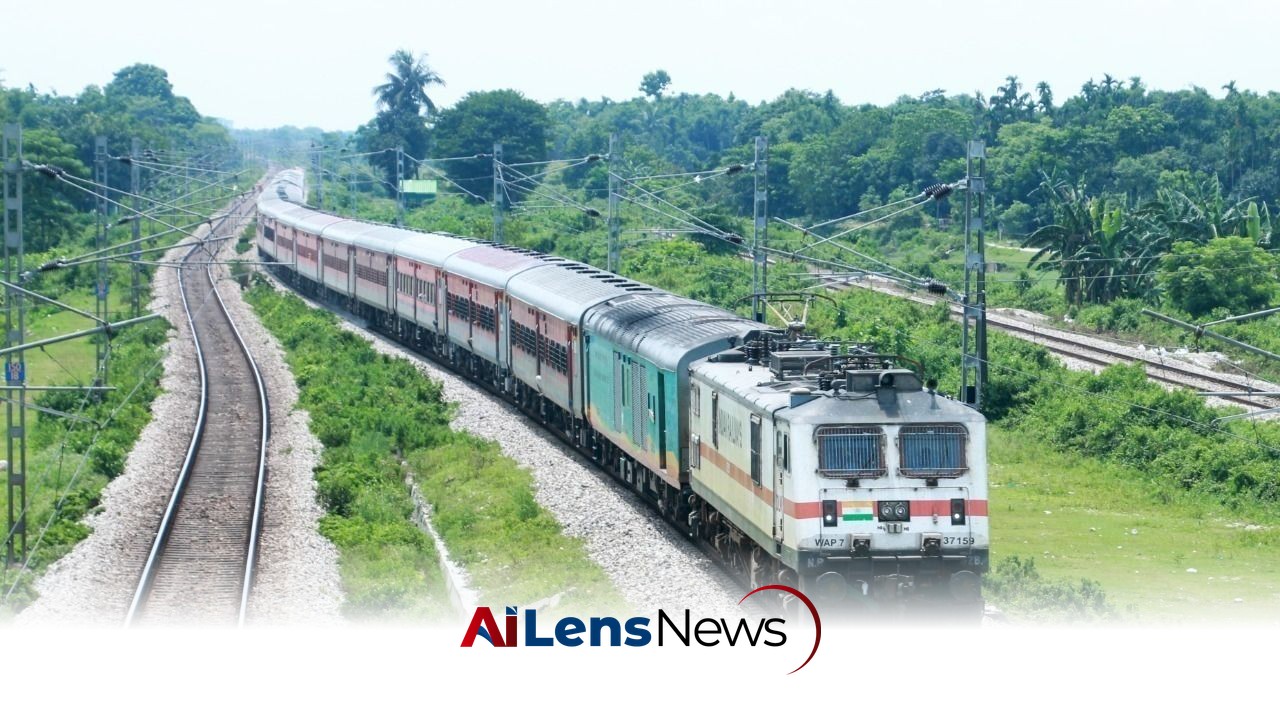


S. Supongmeren Jamir, Nagaland MP, urges the Ministry of Railways to restore passenger train services to Tuli, emphasizing the need for improved connectivity and economic development.
Kohima, India Jul 23, 2026 ALN: Kohima: Nagaland Member of Parliament S. Supongmeren Jamir has raised the long-pending issue of restoring passenger train services to Tuli in the Lok Sabha under Rule 377, urging the Ministry of Railways to take immediate steps to revive the crucial railway link. This issue has been a point of concern for many years, reflecting the ongoing struggles faced by residents regarding transportation options in the region.
In his submission, Jamir said the Tuli railway line, which has been operational on metre gauge since the 1990s, was upgraded to broad gauge in 2000. The broad gauge conversion was a significant milestone, as it allowed for larger and faster trains, which are essential for improving the efficiency of rail services. He noted that a successful passenger trial run between Tuli and Mariani was conducted in 2007, but regular passenger services were never introduced despite the necessary infrastructure being in place. This situation has left many residents frustrated, as they have been waiting for the promised services that would improve their daily commute.
The Congress MP urged the Centre to resume passenger train services between Dimapur and Tuli, along with a parcel van service, to benefit daily commuters, traders, students, and the general public. The absence of regular passenger services has forced many to rely heavily on road transport, which is often less reliable and more expensive. He also sought the extension of broad gauge passenger train services from Guwahati to Tuli, saying it would significantly improve connectivity for people in Nagaland and parts of Upper Assam. This extension could facilitate not just local travel but also enhance regional trade and tourism, opening up new economic opportunities for the area.
Highlighting the route’s commercial potential, Jamir pointed out that the existing goods train service between Amguri and Tuli has been generating substantial revenue, reportedly earning nearly ₹30 crore during the last financial year. This figure underscores the operational feasibility and commercial viability of the railway line. The goods train service has been a lifeline for local businesses, providing them with essential logistics support. However, the lack of passenger services has hindered the full potential of the railway line, limiting access for individuals who could benefit from a more efficient mode of transport.
Emphasising the strong public demand for the restoration of passenger services, Jamir assured the Ministry of Railways of full public support for the initiative and urged the government to act at the earliest. He said reviving passenger train services to Tuli would strengthen regional connectivity, facilitate trade and travel, and contribute to the economic development of the region. This call to action is not merely about restoring a service; it represents a broader desire for improved infrastructure that can support the aspirations of the local population.
The railway line connecting Tuli is not just a transportation route; it serves as a lifeline for the local population. The absence of passenger services has left many residents reliant on road transport, which can be both time-consuming and costly. For students, traders, and daily commuters, the resumption of train services would provide a more efficient and affordable means of travel. Furthermore, with Nagaland's geographical location and cultural diversity, improved rail connectivity could promote tourism and enhance the overall economic landscape of the region. The potential for tourism is particularly significant, as Nagaland is known for its rich culture and natural beauty, which could attract visitors if access to the area is improved.
Historically, the development of railway infrastructure in the northeastern states of India has faced numerous challenges, including difficult terrain and political complexities. The region has often been overlooked in terms of transportation development compared to other parts of the country. However, the Indian government has recognized the importance of enhancing connectivity in these areas, leading to various initiatives aimed at improving railway services. The focus on infrastructure development has been part of a broader strategy to integrate the northeastern states more fully into the national economy.
In recent years, there has been a concerted effort to upgrade existing railway lines and introduce new services in the northeastern states. The introduction of broad gauge lines has been a significant step towards modernizing the rail network, allowing for higher capacity and faster trains. Despite these advancements, the lack of passenger services on certain routes, such as the one to Tuli, remains a pressing issue. The gap in services is a reminder of the work that still needs to be done to ensure that all regions of India have equitable access to transportation.
Jamir’s advocacy for the restoration of train services aligns with broader governmental goals of improving infrastructure and connectivity in the region. The Indian government has launched various schemes to boost economic growth in the northeastern states, recognizing that enhanced transportation links can lead to increased trade, tourism, and overall development. Such initiatives are crucial in addressing the historical neglect of the region and ensuring that its residents have access to the same opportunities as those in other parts of India.
The potential economic benefits of restoring passenger services to Tuli are substantial. Improved rail connectivity could facilitate the movement of goods and services, thus benefiting local businesses and traders. The current goods train service has already proven to be lucrative, and adding passenger services could further enhance the economic viability of the railway line. This could lead to job creation and stimulate local economies, providing a much-needed boost to the region.
Moreover, the revival of passenger train services could also have positive implications for the environment. Rail transport is generally more energy-efficient and environmentally friendly compared to road transport. By encouraging more people to use trains for their travel needs, the government could contribute to reducing traffic congestion and lowering carbon emissions in the region. This environmental aspect is increasingly important in the context of global climate change and the need for sustainable transportation solutions.
Public support for the restoration of train services has been evident, with local communities expressing their eagerness for improved connectivity. This demand not only reflects the practical needs of the population but also symbolizes a desire for greater integration with the rest of the country. The railway line to Tuli represents more than just a mode of transport; it embodies the aspirations of the people in Nagaland for better access to opportunities, education, and economic growth. The community's voice is a powerful reminder of the importance of listening to local needs in the decision-making process regarding infrastructure development.
In conclusion, the call by MP S. Supongmeren Jamir for the restoration of passenger train services to Tuli highlights a crucial issue that affects the lives of many residents in Nagaland. The potential benefits of reviving these services are manifold, encompassing economic, social, and environmental aspects. As the Ministry of Railways considers this request, it is essential to recognize the broader implications of enhanced connectivity and the positive impact it could have on the region's development. The restoration of passenger train services to Tuli could be a significant step towards fostering growth, improving livelihoods, and bridging the gap between Nagaland and the rest of India. Ultimately, this initiative could serve as a catalyst for broader regional development, ensuring that the voices of the people are heard and their needs addressed.
To learn more about the latest developments in Transport & Mobility, stay updated with our exclusive reports and analyses on AiLensNews.

