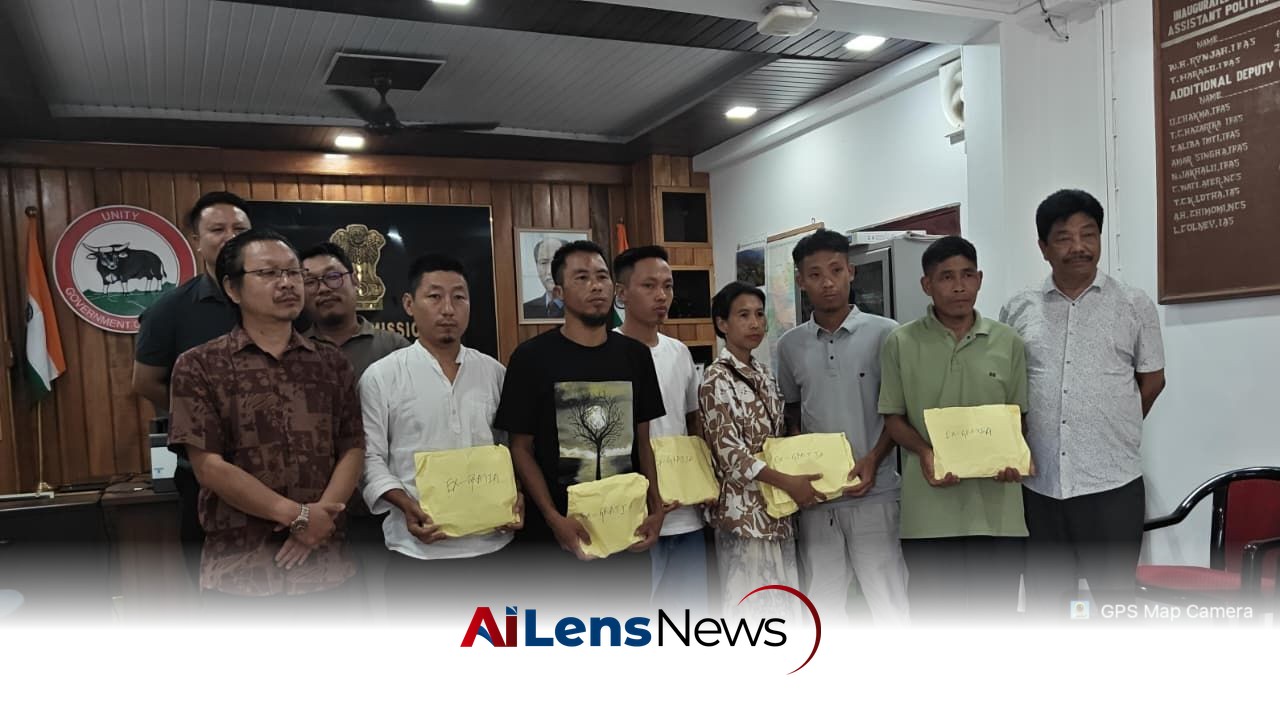


The Deputy Commissioner of Mon has distributed ex gratia relief to the families of eight individuals who perished in a recent landslide in Nagaland.
Kohima, India Jul 28, 2026 ALN: Kohima: The Deputy Commissioner and Chairman of the District Disaster Management Authority (DDMA), Mon, on Tuesday handed over ex gratia relief to the next of kin of eight people who lost their lives in the landslide that struck Thamnan Ward in Mon town on July 19, 2026. This tragic event has not only claimed lives but has also brought to the forefront the ongoing challenges posed by natural disasters in the region.
An ex gratia amount of Rs 4 lakh for each deceased was provided in accordance with the State Disaster Response Fund (SDRF) norms, was handed over on Tuesday. This financial assistance is intended to alleviate some of the immediate financial burdens faced by the families of the victims during this tragic time. The SDRF is part of a broader framework established by the Government of India, which aims to provide timely financial assistance to those affected by natural disasters, ensuring that victims and their families receive the necessary support to cope with their loss.
The deceased have been identified as Thenkhao Konyak, Tingyuh Konyak, Taotun Konyak, Toithron Konyak, Kenlong Konyak, Lunglei L. Konyak, Pangho Konyak, and Pomei Konyak. Each of these individuals was a member of the Konyak community, which is one of the prominent ethnic groups in Nagaland, known for its rich cultural heritage and traditions. The Konyak people are primarily known for their agricultural practices, vibrant festivals, and intricate handicrafts, which reflect their deep connection to the land and their cultural identity. The loss of these eight individuals represents not only a personal tragedy for their families but also a significant loss for the Konyak community as a whole.
The relief distribution programme was attended by the Additional Deputy Commissioner (ADC) and Chief Executive Officer (CEO), DDMA Mon, along with the presidents of the Konyak Union (KU) and the Konyak Students’ Union (KSU). The presence of community leaders at the event highlights the collective mourning and support from the local community, which is crucial in times of tragedy. Community leaders have long been instrumental in fostering solidarity among residents, and their involvement in the relief efforts underscores the importance of communal support in the healing process.
Landslides are a common occurrence in the hilly terrains of Nagaland, especially during the monsoon season, when heavy rainfall can lead to soil erosion and destabilization of slopes. The state has experienced numerous landslides in the past, which have resulted in loss of life and property. The government has been working on improving disaster management protocols and response strategies to mitigate the impacts of such natural calamities. However, the frequency and severity of landslides raise questions about the adequacy of current measures and the need for further investment in disaster risk reduction initiatives.
In the aftermath of the landslide, local authorities are likely to conduct a thorough investigation to determine the cause of the disaster. This may include assessing the geological stability of the area, evaluating past land use practices, and considering environmental factors that may have contributed to the landslide. Such investigations are essential not only for understanding the immediate causes of the incident but also for preventing future occurrences. A comprehensive analysis can help inform better land use planning and infrastructure development in vulnerable areas, ultimately reducing the risk of similar tragedies in the future.
The Konyak community, to which the victims belonged, has a unique cultural identity that is deeply intertwined with the history and landscape of Nagaland. They are known for their traditional practices, including vibrant festivals and intricate handicrafts. The loss of eight individuals from this community is not just a personal tragedy for their families but also a significant loss for the community as a whole. The Konyak Union and other community organizations may play a vital role in providing emotional and social support to the bereaved families during this difficult period. The community's resilience and solidarity will be crucial in helping families cope with their grief and begin the healing process.
As the government continues to provide financial assistance, the focus will also need to shift towards long-term solutions for disaster management in Nagaland. This includes investing in infrastructure improvements, such as better drainage systems, road maintenance, and landslide mitigation measures. Additionally, public awareness campaigns about the risks associated with living in landslide-prone areas can help educate residents on safety practices and preparedness strategies. Enhancing community resilience through education and infrastructure development is essential for reducing vulnerability to future disasters.
The implications of such disasters extend beyond immediate relief efforts. They raise critical questions about land use planning, environmental conservation, and the need for sustainable development practices in regions vulnerable to natural disasters. Policymakers in Nagaland may need to reassess zoning laws and construction regulations to ensure that communities are better protected from future landslides. Sustainable development practices should be prioritized, balancing the need for economic growth with environmental conservation and community safety.
Furthermore, the emotional and psychological impact of such tragedies cannot be overlooked. Grief counseling and mental health support services will be essential for the families affected by the landslide, as they navigate their loss and begin the healing process. Community support systems, including religious and social organizations, can play a significant role in providing the necessary care and resources to those in mourning. Mental health awareness and support are crucial components of recovery, as they help individuals and families cope with trauma and loss.
In conclusion, the landslide in Thamnan Ward has highlighted the vulnerabilities faced by communities in Nagaland due to natural disasters. The ex gratia relief provided by the government is a commendable step in supporting the families of the victims, but it also underscores the urgent need for comprehensive disaster management strategies. As the community comes to terms with this tragedy, it is imperative for both local and state authorities to prioritize safety measures and preparedness initiatives to protect against future disasters. The resilience of the Konyak community, coupled with government support, will be crucial in overcoming the challenges posed by such unforeseen events. The ongoing dialogue about disaster preparedness, community resilience, and sustainable development will be vital in shaping a safer future for all residents of Nagaland.
To learn more about the latest developments in Crime & Law, stay updated with our exclusive reports and analyses on AiLensNews.

