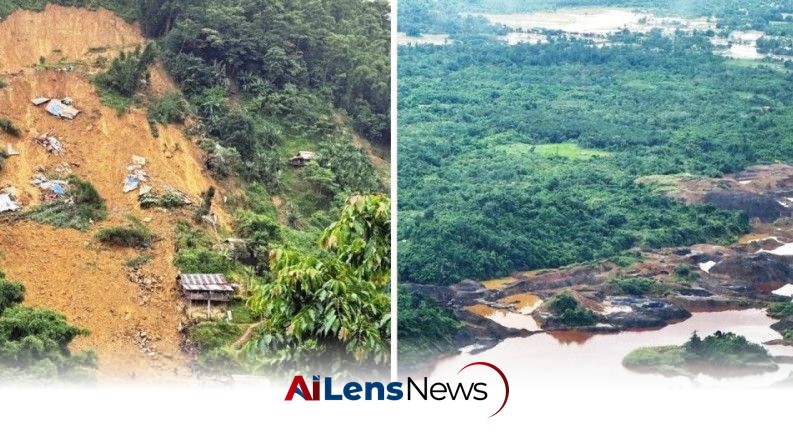


Heavy rainfall has led to landslides and flash floods, affecting thousands and resulting in multiple fatalities and extensive damage across several districts.
Kohima, India Jul 20, 2026 ALN: Continuous heavy rainfall has triggered landslides, flash floods, and mudslides in several districts, leaving nine people dead and four others missing, along with extensive damage to houses, infrastructure, and agricultural land. The monsoon season, which typically spans from June to September in the region, has been particularly severe this year, with rainfall levels exceeding normal averages in many areas. This has raised concerns among local authorities and residents alike, as the impact of such extreme weather events can be devastating, especially in hilly terrains prone to landslides.
According to the State Disaster Management Authority (NSDMA), nine persons lost their lives due to landslides in Mon district, including five at Shantham Ward in Mon Town. The fatalities underscore the dangers posed by the monsoon season, especially in regions like Mon where the landscape is characterized by steep slopes and loose soil. In Naginimora, four persons who were swept away by flash floods were rescued, with one woman sustaining a hand fracture while three men suffered minor injuries. Search and rescue operations are ongoing for the four missing persons, supported by the district administration, State Disaster Response Force (SDRF), police, and other line departments. The ongoing efforts highlight the collaborative response from various agencies to address the crisis and ensure the safety of affected individuals.
Reports from the District Disaster Management Authorities (DDMAs) indicate that multiple districts have been affected, with damage assessment still ongoing across all areas. The scale of the disaster is significant, with thousands of people displaced and in need of immediate assistance. In Shamator district, widespread landslides were reported from several locations affecting six villages and approximately 7,000 persons. This figure illustrates the widespread impact of the heavy rainfall, as entire communities have been disrupted. Zunheboto district experienced landslides and flooding affecting around 30 villages, impacting 26 persons, with district authorities assessing the extent of damage to infrastructure and public property. The challenge for authorities is compounded by the fact that many of these villages are remote and may not have immediate access to aid.
Mokokchung district reported heavy rainfall accompanied by landslides affecting 18 villages and 84 persons, while Tuensang district saw 12 villages affected, impacting approximately 201 persons. In Longleng district, landslides affected nine villages and 102 persons, while Kiphire district reported landslides from eight villages affecting 34 persons. The cumulative effect of these incidents raises concerns about the long-term recovery and rehabilitation of these areas, as many residents may face prolonged displacement and loss of livelihood. Noklak district reported landslides, mudslides, and flash floods from five villages, while Wokha district reported three villages affected, and Meluri district reported landslides from two villages affecting six persons, with field verification being undertaken by the district authorities.
Damage to residential houses has been reported from several districts, with Tuensang district witnessing 22 houses fully damaged and 25 houses partially damaged due to landslides and flash floods. In Longleng district, five kutcha houses were fully damaged and five kutcha houses were partially damaged. Kutcha houses, which are typically made from mud, thatch, and bamboo, are particularly vulnerable to severe weather conditions. Kiphire district reported preliminary damage to seven residential houses, highlighting the urgent need for assessments and potential rebuilding efforts. The loss of homes not only affects the physical shelter of families but also their emotional and psychological well-being, as they grapple with the aftermath of such disasters.
Significant livestock losses have also been reported from several districts, including 11 mithuns, 13 cattle, and three pigs in Mon district; 18 pigs in Shamator district; 27 pigs in Wokha district; five pigs in Tseminyu district; four mithuns in Noklak district; and one dog and one cat in Kiphire district, according to the NSDMA. Livestock is a crucial source of income and sustenance for many families in these regions, and the loss of animals can have a long-lasting impact on their livelihoods. The agricultural sector, which is heavily reliant on both crop production and livestock rearing, may face significant challenges in the coming months as farmers work to recover from the destruction caused by the monsoon rains.
The NSDMA, in coordination with the Home Department, is closely monitoring the situation along with the District Disaster Management Authorities and other line departments. Search and rescue operations are continuing in the affected areas, while restoration of essential services and detailed damage assessments are underway. The government is likely to mobilize resources to provide immediate relief to affected communities, including food, medical assistance, and temporary shelter. Citizens have been advised to remain vigilant and avoid landslide-prone areas, overflowing rivers, and vulnerable slopes during periods of continuous rainfall, and to follow advisories issued by the district administration and concerned authorities. This guidance is essential to prevent further loss of life and ensure the safety of residents as the monsoon season continues.
More reports are awaited, the NSDMA added. As the situation develops, it will be crucial for authorities to not only focus on immediate response efforts but also to plan for long-term recovery and resilience-building measures. This may include improving infrastructure to better withstand extreme weather events, enhancing early warning systems, and providing support to communities to rebuild their lives after the disaster. The implications of this monsoon season extend beyond the immediate impact of the rainfall; they raise important questions about climate change, disaster preparedness, and the need for sustainable development practices in vulnerable regions. As communities begin to assess the damage and recover, the lessons learned from this event may inform future policies and strategies to mitigate the effects of similar disasters.
To learn more about the latest developments in Crime & Law, stay updated with our exclusive reports and analyses on AiLensNews.

