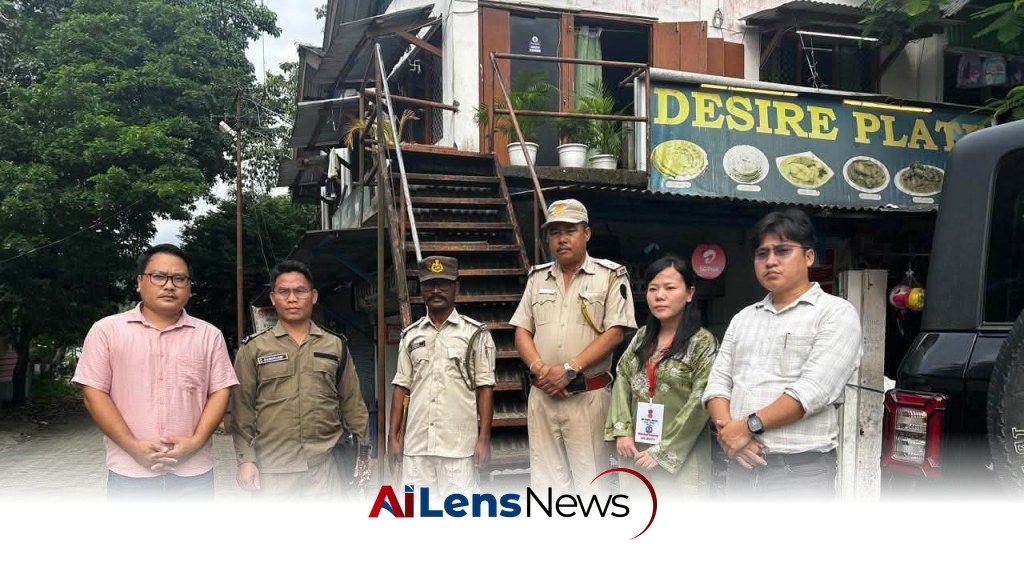


In a significant operation, eight minors were rescued from workplaces in Changlang, Arunachal Pradesh, and reunited with their families as part of a national campaign against child labor.
Kohima, India Jul 16, 2026 ALN: Dibrugarh: Eight children and adolescents were rescued from workplaces in Arunachal Pradesh’s Changlang district and handed over to their parents through the Child Welfare Committee (CWC), officials said. The rescue was conducted under the leadership of Changlang Deputy Commissioner Vishal Sah as part of the Pan-India Rescue and Rehabilitation Campaign 4.0, aimed at eliminating child labor.
This initiative underscores the government's commitment to combat child labor and ensure the safety and well-being of minors. The campaign has been instrumental in raising awareness and mobilizing resources to address this pressing issue, which has deep roots in socio-economic factors, cultural norms, and a lack of access to education in many regions of India. The complexities surrounding child labor in India are influenced by a myriad of factors including poverty, social inequality, and inadequate legal frameworks that fail to protect the most vulnerable populations.
Child labor remains a significant challenge in India, with millions of children engaged in various forms of work that deprive them of their childhood, education, and potential. The International Labour Organization (ILO) estimates that globally, there are approximately 152 million children in child labor, with a substantial portion located in South Asia. In India, the prevalence of child labor is often exacerbated by poverty, inadequate enforcement of labor laws, and a lack of awareness among families about the rights of children. This situation is further compounded by the fact that many families depend on the income generated by their children to survive, creating a cycle of poverty that is difficult to break.
During the operation in Changlang, local authorities worked closely with various stakeholders, including non-governmental organizations and community leaders, to identify and rescue children engaged in hazardous work conditions. The rescued minors were found in various sectors, including agriculture, construction, and domestic work, highlighting the pervasive nature of child labor in the region. This reflects a broader trend in many parts of India, where children are often employed in unsafe environments, risking their health and safety for meager wages. The conditions under which these children work are often deplorable, with long hours and little to no pay, which raises serious concerns about their physical and emotional well-being.
Following their rescue, the children were provided with immediate support and counseling services to help them reintegrate into their families and communities. The CWC emphasized the importance of monitoring and follow-up to ensure that these children do not return to exploitative work environments. Reintegration into society is a critical step, as it not only helps the children recover from their traumatic experiences but also provides them with opportunities to pursue education and personal development. This process is essential, as many of these children have been deprived of formal education, which is crucial for their long-term growth and success.
Deputy Commissioner Vishal Sah expressed gratitude to all involved in the rescue operation and reiterated the need for continued efforts to eradicate child labor. He urged community members to report any instances of child labor to the authorities to facilitate timely interventions. This call for community vigilance is essential, as local awareness and action can significantly impact the effectiveness of campaigns aimed at eradicating child labor. Community involvement is a key component in creating an environment where children can thrive, and it emphasizes the shared responsibility of society to protect its youngest members.
The Pan-India Rescue and Rehabilitation Campaign 4.0 aims to create a safer environment for children across the country, ensuring their right to education and a childhood free from exploitation. The campaign not only focuses on rescue operations but also emphasizes preventive measures such as awareness programs, educational initiatives, and community engagement to address the root causes of child labor. By engaging with families and communities, the campaign seeks to change attitudes towards child labor and foster a culture that values education over economic contribution from children.
As the campaign progresses, officials are optimistic about making significant strides in the fight against child labor, fostering a future where every child can thrive in a safe and nurturing environment. However, the journey ahead is fraught with challenges. The socio-economic landscape of many regions, including Changlang, poses barriers to the complete eradication of child labor. Factors such as economic necessity, cultural attitudes towards work, and inadequate access to quality education continue to perpetuate the cycle of child labor. Addressing these challenges requires a comprehensive approach that involves multiple stakeholders, including government agencies, NGOs, and community organizations.
In light of these challenges, it is crucial for the government, NGOs, and community leaders to collaborate effectively. This includes creating sustainable livelihood opportunities for families, improving access to education, and raising awareness about children's rights. Educational initiatives that encourage school attendance and provide vocational training for older children can help break the cycle of poverty and child labor. Such programs can empower families economically, reducing the reliance on child labor as a source of income.
Moreover, the role of local governance and law enforcement is vital in ensuring that labor laws are enforced and that violators are held accountable. Strengthening the legal framework around child labor, alongside community-based monitoring systems, can aid in reducing instances of exploitation. Laws alone are not sufficient; they must be supported by effective enforcement mechanisms and community awareness to ensure compliance and protection for children.
In summary, the recent operation in Changlang serves as a reminder of the ongoing challenges and the collective responsibility to protect vulnerable children. It highlights the need for a multi-faceted approach that addresses both the symptoms and the root causes of child labor. As society evolves, the commitment to safeguarding children's rights and ensuring their access to education and safe environments must remain a priority. This commitment is essential not only for the individual children involved but also for the broader societal implications of allowing child labor to persist.
Ultimately, the success of initiatives like the Pan-India Rescue and Rehabilitation Campaign 4.0 depends on sustained efforts and community involvement. By fostering a culture of vigilance and support, stakeholders can work together to create a future where every child can enjoy their fundamental rights and opportunities for growth and development. The collective action of communities, supported by effective government policies and programs, is crucial in creating a landscape where child labor is no longer a reality, but a distant memory.
To learn more about the latest developments in Crime & Law, stay updated with our exclusive reports and analyses on AiLensNews.

