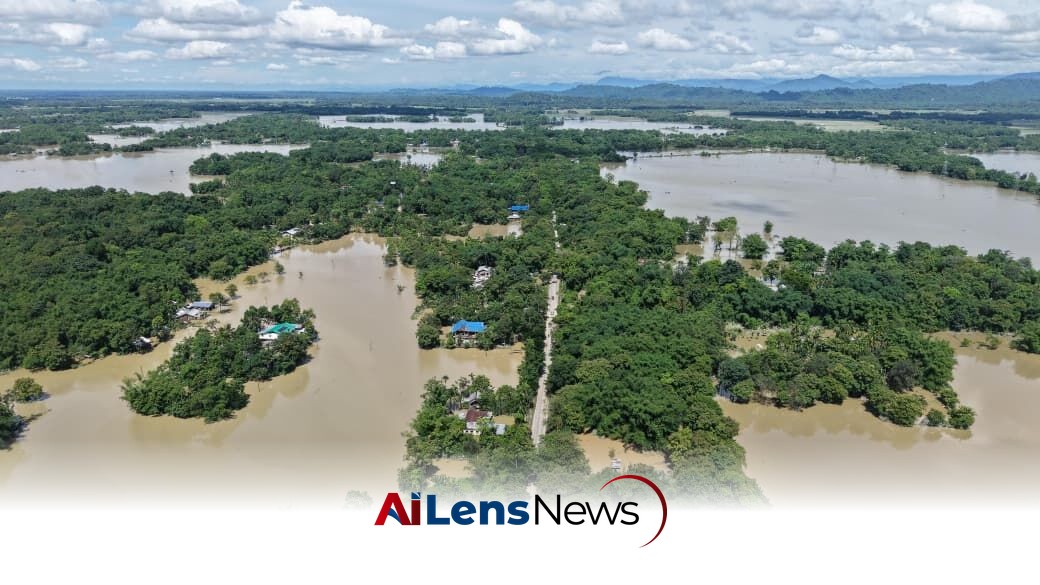


Union Minister Pabitra Margherita reports over 60 fatalities and 12 lakh affected by devastating floods, emphasizing the urgent need for disease prevention and relief efforts.
Kohima, India Jul 26, 2026 ALN: No one was prepared for such devastating floods, and some villages of Nazira near Nagaland have been completely ravaged, said Union minister Pabitra Margherita, who has been camping in the affected areas since the deluge. The unprecedented nature of this disaster has raised concerns not only about the immediate aftermath but also about the long-term implications for the affected communities.
Margherita stated that over 60 persons have lost their lives so far in one of the worst disasters, and as per official records, 8 persons are still missing. The loss of life in such a short span highlights the severity of the flooding and the challenges faced by emergency services in responding swiftly and effectively. The psychological impact on the families of the deceased and the missing is profound, as uncertainty looms over their fate. This tragedy serves as a stark reminder of the vulnerability of communities to natural disasters, especially in regions that may not have been historically prone to such extreme weather events.
He mentioned that over 30,000 people have been rescued from the worst affected areas, and more than 2,000 villages and over 12 lakh people have been affected. The scale of the disaster is staggering, with a significant portion of the population impacted. This situation calls for a coordinated response from various government agencies, NGOs, and community organizations to ensure that the needs of the affected individuals are met promptly. The sheer number of people displaced and in need of assistance underscores the importance of a well-structured disaster response plan that can mobilize resources quickly and efficiently.
The Union minister expressed that everyone was in a state of shock as those areas were never considered flood-prone. However, heavy rainfall in Nagaland resulted in flash floods, taking everyone off guard. The unexpected nature of these floods raises important questions about climate change and its impact on weather patterns in the region. As rainfall patterns become increasingly erratic, it is crucial for local governments and communities to reassess their disaster preparedness strategies. This includes investing in infrastructure improvements, creating early warning systems, and enhancing community awareness about the risks associated with climate change.
He emphasized that the immediate threat is the possible outbreak of diseases, which is why the health department is working round the clock, while public representatives are also in the field. The risk of waterborne diseases such as cholera and dysentery increases significantly in the aftermath of floods, especially when sanitation facilities are compromised. Health authorities must act swiftly to mitigate these risks by providing clean drinking water and sanitation supplies. The potential for disease outbreaks not only threatens the health of the affected population but also places additional strain on healthcare systems that are already under pressure due to the crisis.
Margherita noted that on July 24, he arranged for 10,000 kg of bleaching powder and 7,500 litres of phenyl to be sent to the affected areas. These materials are essential for disinfecting water sources and preventing the spread of disease. Other public representatives are also contributing to prevent a possible outbreak of diseases, showcasing a spirit of solidarity among local leaders during this crisis. The collaborative efforts of various stakeholders, including government officials, NGOs, and community members, are critical in addressing the immediate health threats posed by the flooding.
Regarding reports of a shortage of relief materials for the affected people, Margherita assured that there is no shortage. Apart from government help, various organizations are also stepping in, with some providing cooked food to the people. The involvement of NGOs and community groups is vital in disaster scenarios, as they often have the local knowledge and networks necessary to deliver aid effectively. This collaborative approach not only ensures that resources are utilized efficiently but also fosters a sense of community resilience in the face of adversity.
However, he admitted that in the initial stages, there were challenges in reaching out to the interior villages that could not be accessed by vehicle or boat. Food items had to be airdropped in some locations. This highlights the logistical challenges faced during disaster response efforts, where infrastructure damage can severely hinder access to affected populations. The ability to adapt and utilize alternative methods of delivery, such as air transport, is crucial in ensuring that aid reaches those in need. It also emphasizes the need for robust contingency planning that includes a variety of transportation and distribution methods in the event of natural disasters.
Margherita stated that although the water level has receded, the miseries of the people continue, and government agencies are assessing the damage on the ground. The process of damage assessment is critical in determining the scale of recovery efforts required. It also informs the allocation of resources and the development of recovery plans that address both immediate and long-term needs. Accurate assessments not only help in mobilizing aid but also in identifying the most vulnerable populations that may require additional support.
He mentioned that the immediate needs include clothes, books for students, mosquito nets, and repellents. The focus on providing educational materials is particularly important, as disruptions in schooling can have long-term consequences for children’s education and development. Ensuring that children return to school as soon as possible should be a priority in recovery efforts. Education plays a pivotal role in restoring normalcy in the lives of children affected by disasters and is essential for their psychological well-being.
The Union minister concluded that as per the disaster management manual, the government is exploring what can be provided to resettle the affected people. The agriculture department is also planning schemes for farmers who lost their crops. The impact of flooding on agriculture can be devastating, leading to food insecurity and economic challenges for farming families. Long-term recovery strategies must include support for agricultural rehabilitation and sustainable practices that can withstand future climate-related challenges. This may involve introducing drought-resistant crops, improving irrigation systems, and providing financial assistance to farmers to help them recover from the losses incurred during the floods.
“Short and long-term measures will have to be taken to resettle the affected people,” he added. This dual approach is essential in ensuring that immediate needs are met while also planning for sustainable recovery. The lessons learned from this disaster should inform future preparedness and response strategies, emphasizing the importance of community resilience and adaptive capacity in the face of increasingly frequent climate events. It is imperative that both local and national governments invest in building infrastructure that can withstand such disasters, as well as in community education programs that empower residents to take proactive measures in safeguarding their homes and livelihoods against future flooding events.
To learn more about the latest developments in Health & Public Safety, stay updated with our exclusive reports and analyses on AiLensNews.

