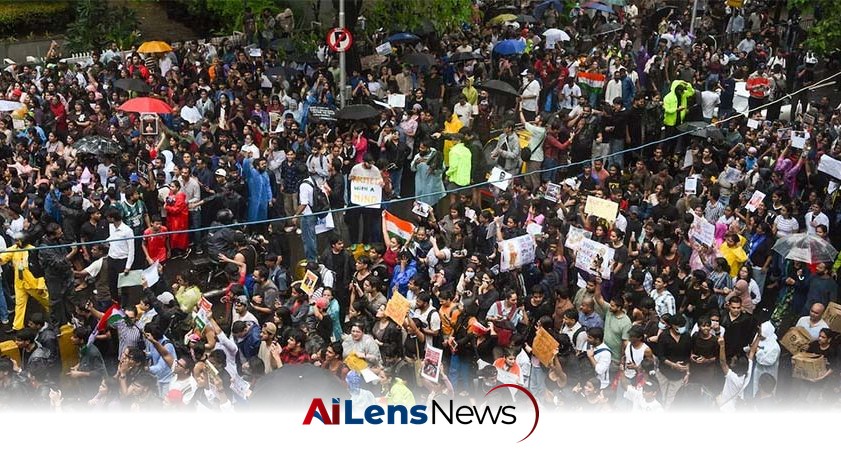


Mumbai Police are using home visits and digital tracking to prevent student protests linked to the Cockroach Janta Party's agitation over examination irregularities.
New Delhi, India Jul 23, 2026 ALN: Mumbai: In a significant move to manage civil unrest, the Mumbai Police have adopted a combination of doorstep visits and digital monitoring aimed at curbing student participation in ongoing demonstrations linked to the Cockroach Janta Party (CJP)-led agitation over alleged examination irregularities. This approach reflects a broader strategy of direct engagement, which has raised both support and concern among various stakeholders.
The recent protests, which have sparked attention across the city, stem from allegations of irregularities in competitive examinations, particularly those related to the National Eligibility cum Entrance Test (NEET) and other significant assessments. These allegations have ignited a firestorm of discontent among students who feel their academic futures are at stake. In response to this unrest, the police have shifted their tactics, moving from reactive to proactive measures designed to prevent further demonstrations.
Reports indicate that the preventive measures were initiated following several days of escalating protests at prominent locations such as Shivaji Park, Chembur, and Azad Maidan. The police have begun reaching out to individuals who have previously participated in these demonstrations, particularly those named in First Information Reports (FIRs) or who have received legal notices. This outreach has involved direct communication from local police stations, with officers contacting protesters and urging them to remain at home while requesting continuous updates of their WhatsApp live location as proof of compliance.
Moreover, the police have utilized digital platforms to issue notices under Section 35(3) of the Bharatiya Nagarik Suraksha Sanhita (BNSS). These notices, sent via messaging applications during the early hours of the day, require recipients to appear for questioning related to previous protests. This method of communication underscores the police's intent to leverage technology in their efforts to manage public dissent.
In addition to digital monitoring, police personnel have conducted physical visits to the homes of student protesters across Mumbai and its neighboring municipal areas. During these visits, officers have informed families about ongoing investigations while advising students against participating in future public gatherings. This tactic aims to create a deterrent effect, emphasizing the potential legal ramifications of continued protest participation.
Furthermore, police teams have been strategically deployed at major railway stations and metro hubs to monitor and identify individuals believed to be heading towards protest venues. Information about previously detained protesters has been disseminated among police stations to facilitate their identification during routine checks. This comprehensive approach reflects a heightened state of alertness and readiness to respond to any potential gatherings.
Senior police officials have characterized these measures as preventive rather than punitive. They argue that the primary objective is to dissuade young people from acquiring criminal records that could adversely impact their future employment prospects, educational opportunities, and even passport applications. This rationale, however, has not been without criticism.
Lawyers representing protesters and various civil liberties groups have raised significant concerns regarding the legality of these measures. They argue that the requests for continuous location sharing, the monitoring of messaging groups, and the unannounced visits to private residences infringe upon fundamental privacy rights and the freedom of movement. Critics contend that such actions may constitute an overreach of police authority and could set a troubling precedent for state surveillance of dissent.
The situation in Mumbai is not isolated; it is part of a larger wave of protests that have swept across India in solidarity with the CJP-led demonstrations in Delhi. Political parties, student organizations, and activists have rallied together, continuing protests for a third consecutive day as of Wednesday, demanding accountability for the alleged examination irregularities and condemning the police's actions against CJP protesters in the national capital.
In Delhi, supporters of the CJP have maintained a sit-in protest at Jantar Mantar, demanding thorough investigations into the alleged irregularities in examinations, including NEET-UG 2026. They are also calling for comprehensive reforms to the education system and the resignation of Union Education Minister Dharmendra Pradhan. This ongoing agitation highlights the widespread dissatisfaction with the current educational framework and the perceived failures of the government to address student concerns.
The implications of these protests and the police's response are far-reaching. On one hand, the police's preventive measures may succeed in quelling immediate unrest and maintaining public order. On the other hand, the approach raises critical questions about the balance between maintaining security and upholding civil liberties. The potential for increased tension between law enforcement and the student population could lead to further unrest if not managed carefully.
As the situation continues to evolve, it remains to be seen how both the government and the protesters will navigate the complexities of this issue. The demands for accountability and reform in the education sector are likely to persist, and the response of the authorities will be closely scrutinized by both supporters and detractors of the current measures. In a democratic society, the right to protest is a fundamental aspect of civil engagement, and any attempts to suppress this right must be weighed against the principles of justice and freedom.
In conclusion, the Mumbai Police's strategy of doorstep visits and digital monitoring represents a significant shift in the approach to managing civil protests. While aimed at preventing further unrest, it raises important legal and ethical questions about the limits of state power in regulating dissent. As the protests continue, the dialogue surrounding these issues will be critical in shaping the future of student activism and the broader landscape of civil rights in India.
To learn more about the latest developments in Crime & Law, stay updated with our exclusive reports and analyses on AiLensNews.

