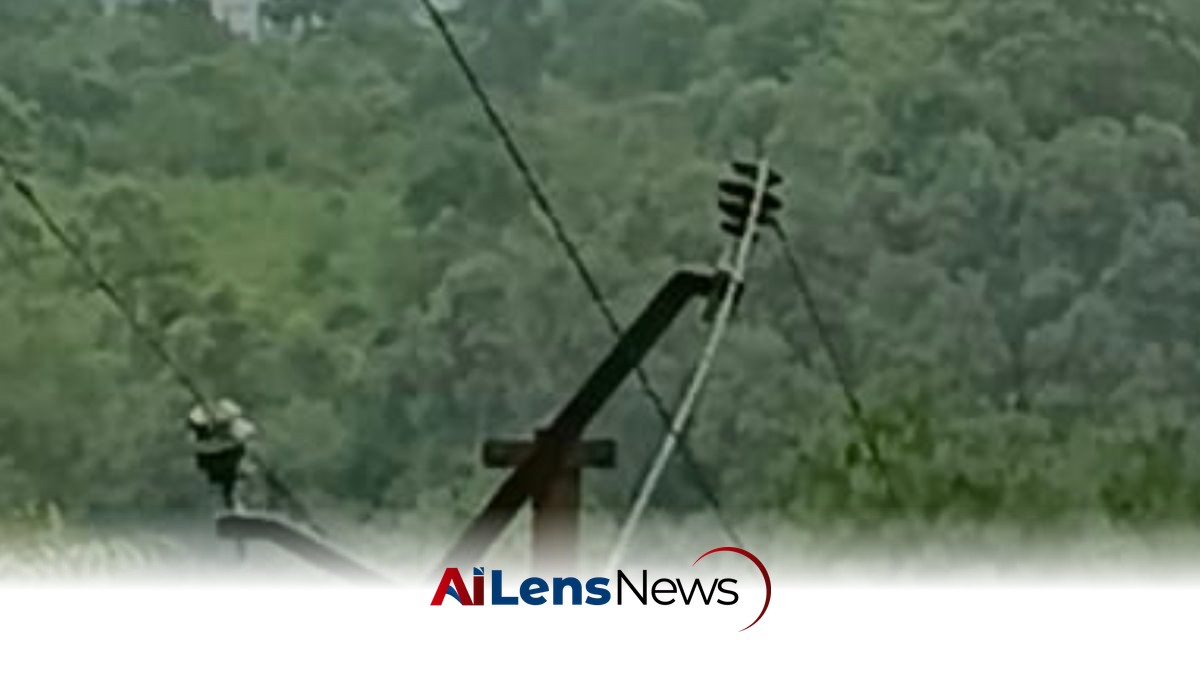


An unfortunate incident in Ri Bhoi led to the electrocution of three minors, attributed to a tree branch falling on an electric wire, according to Power Minister Metbah Lyngdoh.
Shillong, India Jul 17, 2026 ALN: The Energy Corporation Limited (MeECL) has identified a falling tree branch on an electric wire as the cause of the electrocution of three minors in Ri Bhoi. This tragic incident has raised concerns regarding public safety and the maintenance of infrastructure in the region.
The unfortunate event occurred when a branch from a nearby tree fell onto an electric wire, leading to the wire snapping and subsequently electrocution of the three children who were passing by at that time. An official from the power department expressed regret over the incident, stating, "This has happened because of falling of the tree branch on the wire and snapping of wire. It’s unfortunate.” Such accidents highlight the need for regular inspections and maintenance of trees in proximity to power lines, as well as the importance of ensuring that electrical infrastructure is secure and up to date.
Power Minister Metbah Lyngdoh described the incident as an accident and mentioned that the government would consider compensation once the official report is submitted. The minister's assurance reflects a governmental acknowledgment of the responsibility to provide support to affected families in the wake of such tragedies. However, the process of determining compensation often involves bureaucratic procedures that can delay assistance to grieving families.
Lyngdoh noted that the department had inspected the site and requested a detailed report from the Commissioner and Secretary. This inspection is crucial not only for understanding the specifics of the incident but also for preventing similar occurrences in the future. The minister emphasized, "Some branches fell on the 11 KV line. Unfortunately, those three children happened to pass by that stretch." This statement underscores the randomness of such accidents and the need for heightened awareness and preventive measures in areas where children play and live.
Regarding compensation, he added, “Yes, as per the policy there is. We will look into the matter and let the proper report come.” The mention of compensation policies indicates that there are existing frameworks in place to support victims of such accidents, although the effectiveness of these policies can vary. The families of the victims may be eligible for financial assistance, which could help alleviate some of the burdens they face following this tragedy.
In addition to the immediate implications of the incident, the minister acknowledged ongoing infrastructure issues in Ri Bhoi, particularly concerning old and unsafe wiring. He stated, “This is everywhere. In fact, Ri Bhoi is one area where we have this problem. The structure is very old and we have to revamp it. We are doing something for that also.” This admission points to a broader systemic issue within the region’s electrical infrastructure that has persisted over time, raising questions about the adequacy of maintenance and investment in public safety.
Infrastructure challenges are not unique to Ri Bhoi; many regions face similar dilemmas where aging systems are unable to meet contemporary safety standards. The issue of old wiring and inadequate maintenance not only poses risks of electrocution but can also lead to power outages and fires, endangering lives and property. The government’s acknowledgment of these issues suggests a potential for future improvements, but the timeline and extent of such upgrades remain uncertain.
Metbah also mentioned that the Dorbar Shnong, a local governing body, had submitted a letter categorizing the incident as an accident, asserting that the department never intended for such tragedies to occur. This statement reflects an attempt to clarify the situation and mitigate public concern regarding the accountability of the Energy Corporation Limited. However, the response from local authorities may not fully address the community's grief and the need for systemic change.
The community's reaction to this tragic event is likely to be one of sorrow mixed with frustration. Parents and guardians may feel an increased sense of vulnerability, knowing that their children are at risk from hazards that could be mitigated through better infrastructure and safety protocols. This incident may serve as a rallying point for community members to advocate for improved safety measures and greater accountability from local authorities.
In the aftermath of such accidents, it is crucial for local governments and energy corporations to engage with communities to discuss safety measures, maintenance practices, and infrastructure upgrades. Public forums could provide a platform for residents to voice their concerns and suggest improvements while fostering a collaborative approach to community safety. Additionally, educational campaigns may help raise awareness about the dangers of power lines and the importance of reporting unsafe conditions.
Ultimately, the electrocution of these three minors is a tragic reminder of the critical need for vigilance in maintaining public infrastructure, especially in areas where children are present. The response from the government and energy corporations will be closely watched, as the community seeks assurance that steps will be taken to prevent similar incidents in the future. As investigations continue and reports are compiled, the hope remains that this tragedy will lead to meaningful changes that prioritize the safety and well-being of the community.
This incident also opens a broader dialogue about the responsibilities of utility companies in ensuring the safety of their infrastructure. Utility companies are often tasked with maintaining vast networks of electrical lines, and they must balance operational efficiency with public safety. The need for routine checks and proactive measures to mitigate risks associated with falling branches or other environmental hazards is paramount.
Moreover, the tragedy could catalyze discussions around legislative measures aimed at improving infrastructure safety standards. Policymakers may be urged to consider more stringent regulations regarding the maintenance of power lines and the surrounding environment, especially in residential areas. This could lead to enhanced funding for infrastructure upgrades and the implementation of new technologies designed to detect and prevent similar accidents.
In many regions, the impact of climate change has exacerbated the risk of such incidents, with increased frequency of storms and high winds leading to falling trees and branches. As communities adapt to these changes, there is a pressing need for energy companies to reassess their infrastructure resilience and invest in more durable solutions.
In conclusion, the electrocution of the three minors in Ri Bhoi has not only highlighted the immediate dangers associated with inadequate infrastructure but has also brought to the forefront the need for systemic change within the energy sector. The community's demand for accountability, safety, and improvements in public infrastructure must be met with decisive action from both local government and energy corporations. As the grieving families seek justice and support, it is imperative that this tragedy serves as a catalyst for meaningful change that prioritizes the safety of all community members, especially its most vulnerable, the children.
To learn more about the latest developments in Health & Public Safety, stay updated with our exclusive reports and analyses on AiLensNews.

