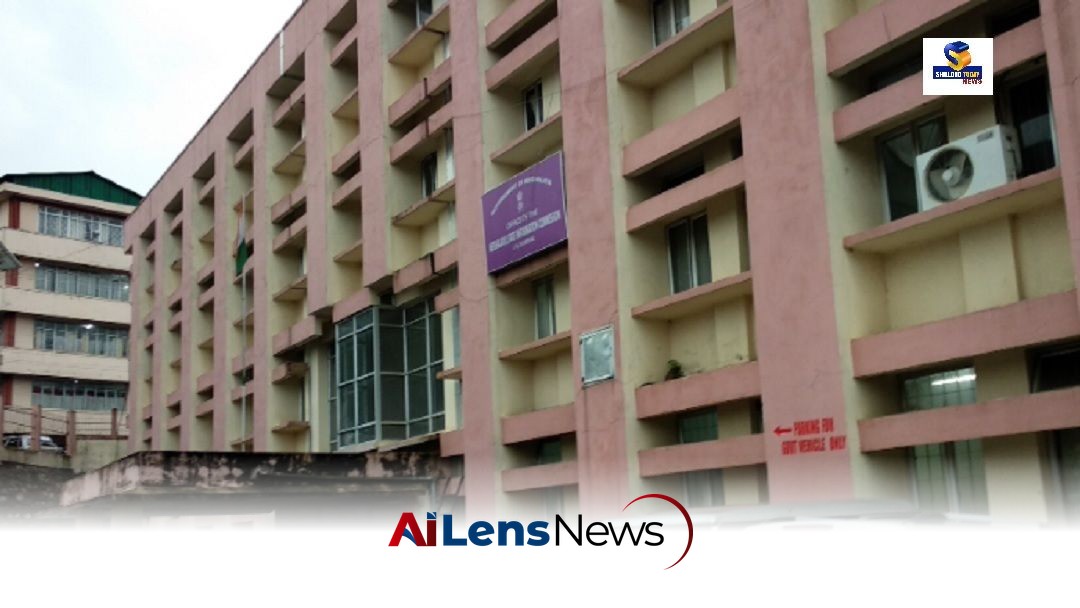


The Transport Department of Shillong is consulting stakeholders on a new Mobility Aggregator App aimed at modernizing public transport, amid concerns from taxi and auto unions.
Shillong, India Jul 14, 2026 ALN: The Transport Department has embarked on a significant initiative to enhance public transport services across the state through the introduction of a proposed State Mobility Aggregator App. This initiative is seen as a crucial step towards modernizing the transport sector, which has long been a vital component of the state’s infrastructure. However, the proposed app has sparked concerns among taxi and auto-rickshaw unions, who are calling for more extensive consultations prior to its rollout.
A stakeholder consultation was convened at the State Central Library, Shillong, on July 13, led by the Commissioner & Secretary of the Transport Department. This meeting aimed to gather insights and feedback from various stakeholders involved in the transport sector, ensuring that the app aligns with the needs of all parties involved.
The meeting saw participation from key figures, including East Khasi Hills Deputy Commissioner Abhilash Baranwal, ADC Shanbor Warjri, MCS, District Transport Officer (DTO) R. Hinge, Superintendent of Police (City) Dangsan Khyriem, MPS, and Superintendent of Police (Traffic) Haari Prasan M.R., IPS. These officials play a pivotal role in overseeing transport regulations and ensuring safety standards within the region.
DTO R. Hinge noted that the consultation was organized following directives from the Assistant Commissioner of Transport, emphasizing the importance of gathering feedback from all stakeholders before any implementation of the proposed Mobility Aggregator App. This approach reflects an understanding of the complexities involved in modernizing public transport systems, particularly in a region where traditional transport methods have been the norm.
Representatives from a wide range of transport organizations attended the meeting, including the East Khasi Hills Local Taxi Welfare Association, Ka Synjuk ki Nongñiah Taxi Sor bad Khapsor, Hynniewtrep Tourist Taxi Association, All Khasi Tourist Taxi Association, Shillong City Bus Syndicate, and the Motphran Auto Rickshaw Owners’ and Drivers’ Association. Additionally, mobility aggregators such as JETS 24×7 Taxi, NE Ride Taxi, and Laiwani Taxi Aggregator were also represented, highlighting the diverse interests at play in the transport sector.
The Transport Department has encouraged all stakeholders to engage actively in the consultation process, urging them to provide constructive feedback that would help in realizing the app's potential to enhance commuter convenience. The department aims to create a more transparent, efficient, and integrated public transport system, which is essential for the growing urban population and the increasing demand for reliable transport options.
Despite the potential benefits of the proposed app, representatives from taxi and auto-rickshaw unions have expressed significant reservations about its implementation. They have made it clear that while they are not opposed to the incorporation of technology into the transport sector, they are concerned about the manner in which the initiative is being introduced. Union leaders have stressed the importance of conducting broader consultations with transport operators to ensure that their voices are heard in the decision-making process.
In discussions with reporters, union representatives highlighted that many drivers, particularly those who are not well-versed with smartphones or digital platforms, may struggle to adapt to the new application. They emphasized that without adequate training and technical support, the app could inadvertently jeopardize the livelihoods of drivers who rely on daily earnings from their transport services. This concern is particularly relevant in a region where a significant portion of the population may not have access to advanced technology or the necessary skills to navigate new digital systems.
Moreover, the unions raised alarms about the potential for increased reliance on app-based bookings to diminish business opportunities for drivers who are unable to transition to digital platforms. This could lead to a widening gap between tech-savvy drivers and those who are less familiar with technology, further complicating the economic landscape of the transport sector.
Another crucial issue that was brought to light during the consultations was the lack of clarity regarding several operational aspects of the app. Transport unions expressed concerns about mandatory registration requirements, fare structures, service charges, data privacy safeguards, and accountability in the event of technical or operational failures. These are fundamental issues that need to be addressed to ensure that the app operates fairly and efficiently, protecting both drivers and passengers alike.
In light of these concerns, the transport bodies have demanded that the Transport Department organize comprehensive consultations involving all taxi, bus, and auto-rickshaw associations before moving forward with the project. They seek detailed information regarding the app’s objectives, operational framework, and the tangible benefits it is expected to provide to drivers. This request underscores the necessity for transparency and inclusivity in the development of such significant technological initiatives.
In response to the concerns raised, the Transport Department has reiterated its commitment to making public transport more accessible and improving passenger safety through features such as GPS tracking. Officials have assured stakeholders that discussions are ongoing and that the feedback received during the consultation process will be taken into account before the project reaches the implementation phase. This openness to dialogue is crucial in fostering trust among all parties involved and ensuring that the final product serves the interests of both the transport operators and the commuting public.
The implications of the proposed State Mobility Aggregator App extend beyond mere modernization of services; they touch upon broader issues of economic equity, technological access, and the future of public transport in . As urbanization continues to rise, the need for an efficient and integrated transport system becomes increasingly pressing. However, it is equally important to ensure that the transition to such systems is equitable and inclusive, taking into account the diverse needs and capabilities of all stakeholders involved.
In conclusion, while the initiative to introduce a State Mobility Aggregator App holds promise for enhancing public transport in , it is imperative that the voices of all stakeholders, particularly those of taxi and auto-rickshaw drivers, are adequately represented in the decision-making process. The ongoing consultations are a step in the right direction, but they must lead to meaningful engagement and the development of solutions that address the legitimate concerns raised by transport unions. Only through such collaborative efforts can the state hope to achieve a public transport system that is not only modern and efficient but also fair and inclusive for all its users.
To learn more about the latest developments in Local & Regional, stay updated with our exclusive reports and analyses on AiLensNews.

