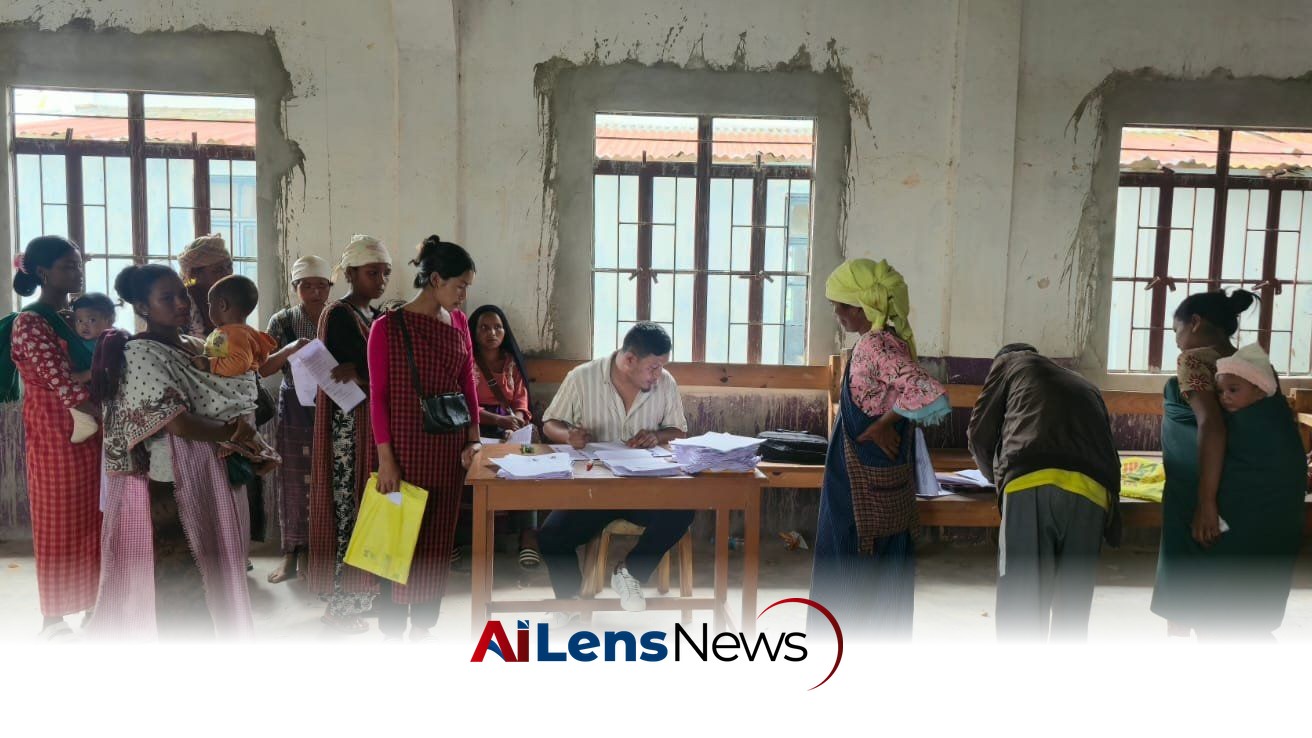


West Jaintia Hills, South West Khasi Hills, and South West Garo Hills have completed the distribution of Special Intensive Revision (SIR) 2026 enumeration forms, with the state achieving an overall distribution rate of 98.17%.
Shillong, India Jul 22, 2026 ALN: In a significant achievement for the electoral process in , the districts of West Jaintia Hills, South West Khasi Hills, and South West Garo Hills have successfully attained 100 percent distribution of Special Intensive Revision (SIR) 2026 enumeration forms. This milestone, announced by the Election Department, highlights the proactive measures taken to ensure comprehensive voter registration in these regions.
The SIR exercise is a crucial component of the electoral process, aimed at updating and maintaining accurate voter lists. This initiative is particularly important in a diverse state like , where geographical and demographic factors can complicate voter registration. The successful distribution of enumeration forms is a testament to the dedicated efforts of local election officials and the cooperation of the community.
Across the state, the overall distribution of enumeration forms stands at an impressive 98.17 percent, reflecting a strong commitment to ensuring that the electorate is adequately represented. Following closely behind the three districts that achieved 100 percent distribution are East Garo Hills, with 99.93 percent, and Ri-Bhoi, at 99.80 percent. This near-universal distribution indicates a well-executed strategy by election officials to engage with the public and facilitate the registration process.
As of the latest reports, a total of 2,349,645 electors are registered in , out of which 2,306,585 enumeration forms have been distributed. This substantial figure underscores the importance of voter registration in a democratic society, where each citizen's voice is vital in shaping governance and policy. Furthermore, the digitization of these forms is also underway, with 1,407,446 forms already digitized, representing 62.15 percent of the total electorate. This move towards digitization not only streamlines the registration process but also enhances transparency and accessibility for voters.
In terms of digitization, West Khasi Hills has emerged as a leader with a remarkable 79.86 percent of forms digitized, followed by South West Khasi Hills at 78.51 percent and East Jaintia Hills at 75.44 percent. The digitization of voter data is crucial, as it allows for more efficient management of electoral rolls and reduces the chances of errors that can occur with paper-based systems. The transition to digital platforms is a significant step towards modernizing the electoral process, ensuring that voters can engage with the system more effectively.
Despite the progress, the Election Department has identified a total of 53,908 electors, which constitutes 2.29 percent of the total electorate, under the absentee, shifted, death, and duplicate (ASDD) categories. This identification is an essential part of the electoral process as it helps to maintain the integrity of the electoral roll. Among these, 5,795 electors have been classified as absent, 13,379 as shifted, 32,382 as deceased, 2,029 as duplicates, and 323 electors have refused to accept the enumeration form. Addressing these cases will be conducted in accordance with the provisions of the Registration of Electors Rules 1960, ensuring that due process is followed and that all affected electors are given an opportunity to clarify their status before any final decisions are made regarding the electoral roll.
It is important to note that electors who do not submit their duly filled enumeration forms within the prescribed timeline will not have their names included in the draft electoral roll, which is scheduled for publication on August 5, 2026. This emphasizes the urgency for voters to participate in the registration process, as missing this deadline could disenfranchise them in upcoming elections. The implications of this are significant, as it could lead to a lower voter turnout and affect the overall democratic process in the state.
In light of these developments, the Chief Electoral Officer (CEO) of convened a meeting with representatives of recognized national and state political parties to review the progress of the SIR 2026 initiative. This engagement with political parties is crucial as it fosters collaboration and ensures that all stakeholders are aligned in their efforts to facilitate voter registration. The CEO urged all political parties to continue their cooperation for the timely and successful completion of the SIR exercise, recognizing that a collaborative approach is essential for achieving comprehensive voter registration.
Electors who have not yet received or submitted their enumeration forms are encouraged to cooperate with the Booth Level Officers (BLOs) during their house-to-house visits. This initiative is designed to assist voters in completing the registration process efficiently and without delay. The BLOs play a vital role in the electoral process, serving as the primary point of contact for voters and helping to navigate any issues that may arise during registration. Electors are also encouraged to reach out to their respective BLOs for any assistance related to the SIR, ensuring that all eligible voters have the opportunity to participate in the democratic process.
The successful execution of the SIR enumeration forms distribution is not only a technical achievement but also a reflection of the democratic values that underpin the electoral process in . By ensuring that every eligible voter is registered, the state is taking important steps towards fostering greater political participation and representation. As the state prepares for the upcoming elections, these efforts will be critical in shaping the political landscape and ensuring that the voices of all citizens are heard.
The importance of voter registration cannot be overstated, especially in a state with rich cultural diversity and a complex socio-political landscape like . The ability to vote is a fundamental right that empowers citizens to influence governance and public policy. It is essential for the electorate to be aware of the registration process and the implications of their participation in elections. The SIR initiative serves not only to update the electoral rolls but also to educate the public about the importance of their role in a democratic society.
In conclusion, the achievement of 100 percent distribution of enumeration forms in three districts is a commendable milestone for the Election Department and the state of . As the process continues, it will be essential for all stakeholders, including political parties, election officials, and the electorate, to remain engaged and proactive in ensuring that the electoral process is inclusive and transparent. The implications of this initiative will extend beyond the immediate electoral cycle, laying the groundwork for a more informed and participatory democracy in the future. By fostering an environment where every eligible voter is encouraged to participate, the state is not only enhancing its democratic processes but also building a stronger, more representative governance system that reflects the will of the people.
To learn more about the latest developments in Politics, stay updated with our exclusive reports and analyses on AiLensNews.

