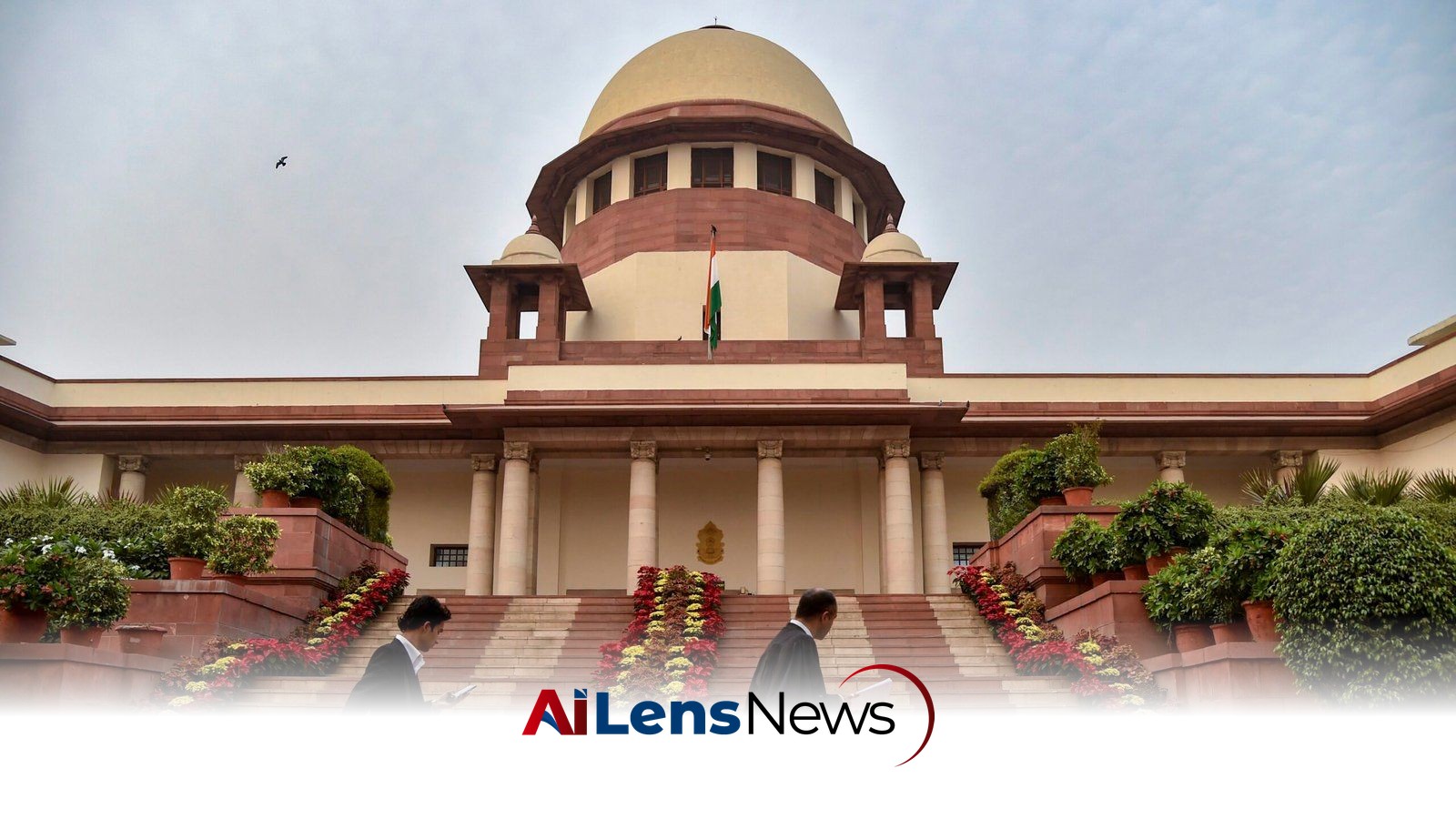


The Supreme Court is set to consider the recommendations of a task force led by Nandan Nilekani regarding the online conduct of the NEET examination, emphasizing the need for enhanced cybersecurity measures.
Shillong, India Jul 27, 2026 ALN: The Supreme Court on Monday indicated that it will review the recommendations made by the Nandan Nilekani-led high-powered task force regarding the online conduct of the National Eligibility cum Entrance Test (NEET) examination. This decision comes in the wake of significant disruptions caused by allegations of a paper leak during the NEET-UG examination held on May 3, which resulted in the cancellation of the test and prompted calls for a re-examination.
The bench, comprising Justices PS Narasimha and Alok Aradhe, underscored the necessity for innovative and robust solutions as the examination transitions from a traditional physical format to an online platform. "We need some additional safeguards with respect to cyber security, database protection," the bench remarked, highlighting the critical nature of secure online assessments, especially in high-stakes examinations like NEET, which determines admission into medical colleges across India.
The plea that prompted this review was filed by RJD MP Sudhakar Singh, who expressed concerns over the integrity of the examination process following the cancellation of the NEET-UG. The cancellation was a significant event, as it not only disrupted the academic calendar for many aspiring medical students but also raised questions about the effectiveness of the current examination system.
Solicitor General Tushar Mehta, representing the Union government, informed the Supreme Court that the government has taken the matter seriously. As a response to the allegations surrounding the NEET-UG exam, a high-level committee was constituted, with Nandan Nilekani at its helm. Nilekani, a prominent figure in the technology sector and the co-founder of Infosys, is well-regarded for his expertise in digital solutions and governance. His leadership is seen as a crucial step toward ensuring that the online examination process is secure and efficient.
In addition to Nilekani, the task force includes notable members such as S Somanath, the former chairman of the Indian Space Research Organisation (ISRO), Tapan Deka, the former director of the Intelligence Bureau, V Kamakoti, the director of IIT Chennai, Anita Karwal, a former education secretary, and Amrit Lal Meena, a logistics expert. This diverse group brings together a wealth of experience in technology, education, and security, which is essential for addressing the complexities involved in conducting high-stakes examinations online.
The Supreme Court bench scheduled the next hearing for the plea filed by Sudhakar Singh on August 3, signaling the court's continued engagement with the issue. The urgency of the matter was underscored on June 1 when the Supreme Court declined an urgent hearing request from Singh for the NEET-UG 2026 re-test to be conducted in a computer-based format on June 21. This indicates that while the court is attentive to the concerns raised, it is also considering the broader implications and the need for a well-structured approach to the examination process.
The National Testing Agency (NTA), which is responsible for conducting the NEET examinations, took the decision to cancel the May 3 exam amid allegations of a paper leak. This decision was not taken lightly, as it affected thousands of students who had prepared extensively for this pivotal examination. The paper leak allegations led to a significant backlash from students and parents alike, who expressed their frustration at the disruption of the examination process and the uncertainty surrounding their future academic prospects.
In the aftermath of the cancellation, the Central Bureau of Investigation (CBI) was tasked with investigating the allegations, which further highlighted the seriousness of the situation. The retest was subsequently held on June 21, but the events leading up to it have raised several questions about the integrity and security of examination processes in India.
The transition to online examinations, particularly for a high-stakes test like NEET, poses unique challenges. Cybersecurity is a paramount concern, as the integrity of the examination must be maintained to ensure that all candidates have a fair opportunity to demonstrate their knowledge and skills. The recommendations from the Nilekani-led task force are anticipated to address these concerns, focusing on creating a secure and reliable online examination environment.
Moreover, the implications of these developments extend beyond just the NEET examination. They raise broader questions about the future of assessments in India's education system, particularly in the context of increasing digitization and the need for robust technological solutions. As educational institutions and examination bodies continue to explore online formats, lessons learned from the NEET experience could inform best practices and policies that enhance the integrity and security of assessments across various domains.
In conclusion, the Supreme Court's review of the Nandan Nilekani task force recommendations signals a critical juncture for the NEET examination and, by extension, the broader educational landscape in India. The outcomes of this review could set important precedents for how high-stakes examinations are conducted in the future, particularly in an increasingly digital world. Stakeholders, including students, educators, and policymakers, will be closely monitoring these developments as they unfold.
To understand the significance of this case, it is essential to delve into the broader context of the NEET examination itself. NEET is a national-level entrance examination in India for students aspiring to pursue undergraduate medical courses. The examination is conducted by the NTA and serves as a gateway for admission into various medical colleges across the country. Given the competitive nature of medical education in India, the stakes are incredibly high, making the integrity of the examination process paramount.
The transition from offline to online examinations has been a trend in many educational systems worldwide, primarily due to the convenience and efficiency of digital assessments. However, the challenges that come with this shift cannot be overlooked. Issues such as technical glitches, hacking, and data breaches are significant concerns that need to be addressed to maintain the credibility of the examination system. The recommendations from the Nilekani task force are expected to provide a framework that not only addresses these immediate concerns but also sets a standard for future online examinations in India.
Furthermore, the involvement of high-profile experts in the task force indicates the seriousness with which the government is treating the situation. The diverse backgrounds of the committee members bring a multifaceted approach to the problem. For instance, S Somanath's experience with ISRO can provide insights into complex systems and technology management, while Tapan Deka's background in intelligence can contribute to security measures that are critical for safeguarding examination integrity.
As the Supreme Court prepares to review the task force's recommendations, the implications of this decision extend beyond the immediate concerns of the NEET examination. It could pave the way for reforms in how examinations are conducted across various educational spheres in India. With the increasing reliance on technology in education, ensuring the security and integrity of assessments is crucial for maintaining public trust in the system.
In light of these developments, students and parents are left in a state of uncertainty regarding the future of the NEET examination and its format. The potential for a restructured online examination process could alleviate some concerns, but it also raises questions about accessibility and the digital divide that exists in India. Ensuring that all students have equal access to the necessary technology and resources will be a critical consideration as these reforms are implemented.
The Supreme Court's engagement with this issue reflects a broader trend towards judicial oversight in educational matters, particularly when the integrity of the examination process is called into question. The outcomes of this case could have lasting effects on educational policies and practices in India, influencing how examinations are designed, administered, and perceived by the public.
In summary, the Supreme Court's review of the Nandan Nilekani task force recommendations is a pivotal moment for the NEET examination and the Indian education system as a whole. As stakeholders await the court's decision, the importance of ensuring a secure, fair, and efficient examination process cannot be overstated. The future of NEET and potentially other high-stakes examinations hinges on the outcomes of this review, making it a critical issue for students, educators, and policymakers alike.
To learn more about the latest developments in Crime & Law, stay updated with our exclusive reports and analyses on AiLensNews.

