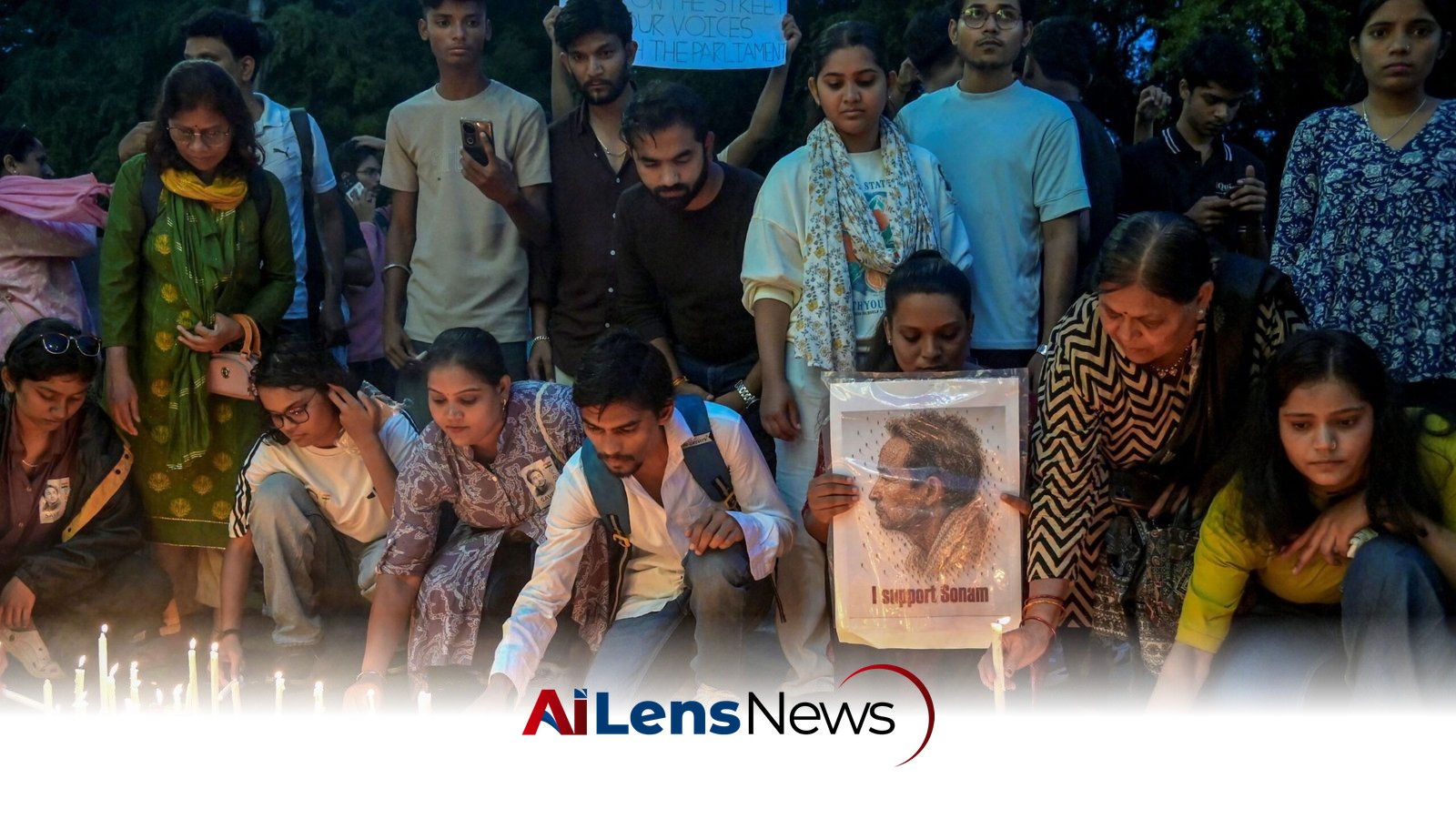


Sonam Wangchuk, on a 21-day hunger strike, urgently needs medical treatment as his family declines intervention despite hospital recommendations.
Shillong, India Jul 18, 2026 ALN: Activist Sonam Wangchuk, who has been on a 21-day hunger strike, is showing signs of dehydration and urgently requires fluid and electrolyte therapy to prevent potentially serious complications, even as he and his family declined the recommended treatment despite repeated counselling, Safdarjung Hospital authorities said on Saturday.
Wangchuk remains conscious and haemodynamically stable, with his pulse, blood pressure, and oxygen saturation currently within normal limits, the hospital said in a statement issued around 9 pm. However, it said his prolonged fast has led to clinical signs of dehydration, making immediate oral or intravenous fluid and electrolyte therapy medically necessary.
Wangchuk was taken forcibly to Safdarjung Hospital by the Delhi Police on the 21st day of his hunger strike. He has been on an indefinite hunger strike since June 28 in support of the CJP-led protest over alleged irregularities in the NEET examination and the reported deaths of students linked to the controversy. The NEET, or National Eligibility cum Entrance Test, is a highly competitive examination in India for students aspiring to pursue undergraduate medical education in government or private medical colleges. The exam has been mired in controversies over the years, with allegations of cheating, irregularities in the conduct of the exam, and issues related to student mental health and well-being.
In recent years, the NEET examination has seen a significant increase in the number of candidates, leading to heightened competition and pressure among students. This environment has reportedly contributed to the distress and mental health issues among students, some of whom have tragically taken their own lives. Wangchuk's hunger strike, alongside the protests led by the Citizens for Justice and Peace (CJP), aims to draw attention to these serious issues and demand accountability from the authorities, including the resignation of Union Education Minister Dharmendra Pradhan.
An independent expert from AIIMS, Delhi, examined Wangchuk and concurred with the treating team’s assessment that urgent fluid and electrolyte therapy is medically indicated. An AIIMS doctor has also joined the treating team and will remain continuously available for monitoring and clinical management. The involvement of AIIMS, a premier medical institution in India, underscores the seriousness of Wangchuk's condition and the need for immediate medical intervention.
“Despite repeated counselling by the treating team and the independent expert regarding the urgent need for treatment, the patient has declined intravenous fluids, oral rehydration solution, and all medications. The patient’s family has also not yet provided consent for the recommended medical intervention,” the hospital said. This refusal raises ethical questions about patient autonomy and the role of healthcare providers in situations where a patient’s health is at risk due to their own choices. It also highlights the complex dynamics between activists, their causes, and the healthcare system.
The hospital said Wangchuk has refused intravenous fluids, oral rehydration solution, and all medications despite repeated counselling by the treating team and an independent AIIMS expert, while his family is yet to provide consent for the recommended medical intervention. “His pulse, blood pressure, and oxygen saturation are currently within normal limits. However, he is exhibiting clinical signs of dehydration, and in view of his prolonged fasting, his condition warrants immediate medical intervention to prevent further deterioration and potentially serious complications,” the statement said. It added that Wangchuk continues to remain under close medical observation.
“The treating team is making every effort to counsel the patient and his family to provide consent and accept the recommended treatment at the earliest in the interest of safeguarding his health and preventing avoidable complications,” the statement said. The situation is further complicated by the political context surrounding Wangchuk's hunger strike. The protests he supports are not merely about the NEET examination; they are part of a broader discourse on educational reforms in India, accountability in governance, and the mental health crisis among students.
Wangchuk and the three activists from AISA have been on an indefinite hunger strike since June 28 in support of the CJP-led protest demanding Union Education Minister Dharmendra Pradhan’s resignation over alleged irregularities in NEET and deaths of students linked to the controversy. The protests have garnered significant media attention and public discourse, reflecting widespread concern over the education system and the pressures faced by students. Activists argue that the current system is failing to safeguard the mental health and well-being of students, leading to tragic outcomes.
Soon after the police action, CJP founder Abhijit Dipke alleged that the protesters were subjected to a police crackdown. This incident raises concerns about the right to protest and the treatment of activists in India. The police's intervention in Wangchuk's hunger strike has sparked debates about the balance between maintaining public order and respecting the rights of individuals to express dissent, particularly in a democratic society. Wangchuk's health crisis adds urgency to the ongoing discussions about the treatment of activists and the implications of their actions for broader social issues.
As the situation unfolds, it remains to be seen how Wangchuk's health will be managed and what impact this will have on the ongoing protests. The intersection of health, activism, and policy reform is a critical area of focus, as the outcomes of such protests can influence public policy and lead to significant changes in the education system. Activists like Wangchuk play a vital role in advocating for systemic change, and their personal sacrifices often highlight the urgency of the issues at hand.
In conclusion, the health crisis faced by Sonam Wangchuk amidst his hunger strike not only raises immediate concerns about his well-being but also underscores the broader implications of his activism. The ongoing protests against the NEET examination and the call for accountability in the education system reflect deep-seated issues that resonate with many students and families across India. As the situation develops, it will be essential for both the medical community and the public to engage in discussions about the importance of mental health, the pressures of academic competition, and the rights of individuals to advocate for change.
To learn more about the latest developments in Health & Public Safety, stay updated with our exclusive reports and analyses on AiLensNews.

