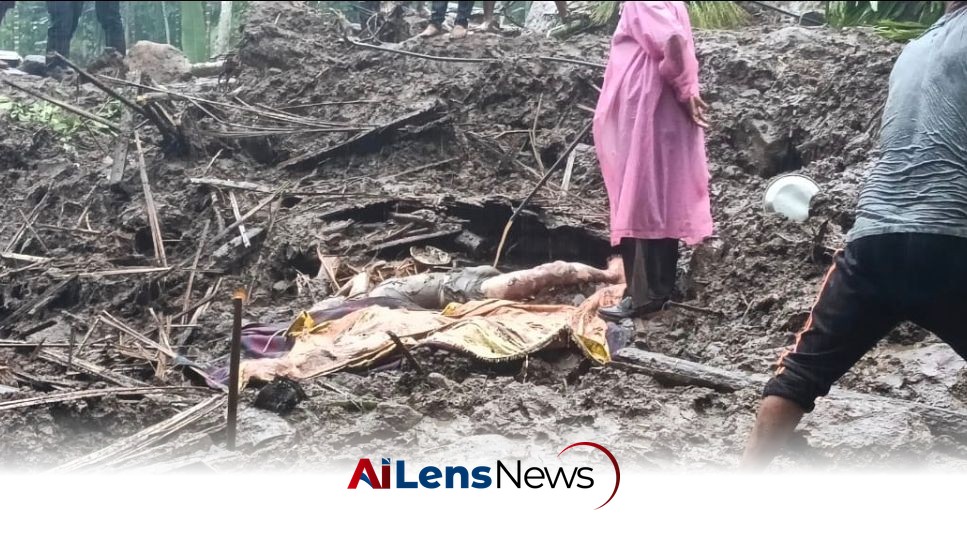


Recent rain-induced natural calamities in have resulted in multiple fatalities, injuries, and significant damage to homes and infrastructure across several districts.
Shillong, India Jul 27, 2026 ALN: Several persons were killed in separate incidents due to rain-induced natural calamities from July 8 till 25. The torrential rains have wreaked havoc in various regions, leading to tragic loss of life and significant damage to infrastructure.
In the wake of these calamities, six individuals sustained injuries, with one being particularly affected by a lightning strike—a common hazard associated with severe thunderstorms. Such incidents highlight the dangers posed by extreme weather conditions, which not only threaten human life but also disrupt the daily routines of communities.
Furthermore, the impact of these rains extended beyond human casualties; reports indicate that seven animals perished as a result of the adverse weather. Livestock is often a critical asset in rural economies, and the loss of animals can have long-term repercussions on the livelihoods of affected families. In many rural areas, livestock serves as a source of income, food, and even cultural significance, making their loss particularly devastating.
In terms of infrastructure, the calamity has inflicted damage on 44 houses and 29 infrastructure facilities, which include roads, bridges, and public utilities. The destruction of these essential structures complicates recovery efforts and can hinder access to emergency services, further exacerbating the plight of those affected. In many cases, damaged roads can isolate communities, making it difficult for relief workers to reach those in need and for residents to access vital resources such as medical care and food supplies.
According to the data compiled from various sources, approximately 11,571 individuals have been impacted across 168 villages in fifty blocks. This widespread effect underscores the scale of the disaster and the urgent need for coordinated relief efforts. The affected regions are primarily located in the northeastern state of , which is known for its heavy rainfall during the monsoon season. The region's unique topography, characterized by hills and valleys, often exacerbates the effects of heavy rains, leading to landslides and flooding.
The crops impacted span an area of 17.32 hectares, a significant loss for local farmers who depend on agriculture for their sustenance and income. The destruction of crops not only threatens food security in the region but also poses a challenge to the local economy, which is heavily reliant on agricultural production. Farmers may face long-term challenges in recovering from these losses, as the cycle of planting and harvesting can be disrupted, leading to food shortages and increased prices in local markets.
The most affected districts include East Khasi Hills, South West Khasi Hills, West Jaintia Hills, South West Garo Hills, Ri Bhoi, South Garo Hills, and Eastern West Khasi Hills. Each of these districts has its unique geographical and climatic features, but they all share vulnerability to extreme weather patterns exacerbated by climate change. The heavy rainfall during the monsoon season is not new to this region; however, the intensity and frequency of such events appear to be increasing, raising concerns among scientists and local authorities alike. Climate change is altering traditional weather patterns, leading to unpredictable and extreme weather events that communities are ill-prepared to handle.
The community is now rallying for support and assistance to recover from these devastating events. Local NGOs, government agencies, and community organizations are mobilizing resources to provide immediate relief, including food, shelter, and medical assistance to those affected. The response efforts are crucial, as they not only address the immediate needs of the affected population but also lay the groundwork for longer-term recovery and rehabilitation. The involvement of local organizations is particularly important, as they often have a better understanding of the community's specific needs and can tailor their responses accordingly.
In the context of ongoing climate change, such extreme weather events are becoming more frequent and severe. Experts warn that regions like , which are already vulnerable due to their topography and climate, may face even greater challenges in the future. The increasing unpredictability of weather patterns poses a significant risk to both human life and infrastructure, necessitating a proactive approach to disaster risk reduction and management. This includes investing in research to better understand climate impacts and developing strategies to mitigate them.
In light of these challenges, it is imperative for local governments and communities to invest in better infrastructure, early warning systems, and disaster preparedness programs. Enhancing community resilience through education and training can empower residents to respond more effectively to natural disasters. This includes understanding the risks associated with severe weather, knowing how to prepare for emergencies, and being aware of available resources and support systems. Training programs can help build a culture of preparedness, ensuring that communities are not just reactive but proactive in facing natural disasters.
Moreover, there is a pressing need for policymakers to consider the implications of climate change in their planning and development strategies. Sustainable land use practices, reforestation, and improved drainage systems can help mitigate the impacts of heavy rainfall and flooding. Engaging with local communities in these efforts is essential, as they possess valuable knowledge about their environment and the challenges they face. Collaborative approaches can lead to more effective solutions that take into account the needs and insights of those who are most affected by climate change.
As the situation continues to unfold, it is crucial for the media, government, and civil society to collaborate in raising awareness about the ongoing crisis and the need for immediate action. Public discourse should focus on both the immediate relief efforts and the long-term strategies required to build a more resilient future for the communities affected by rain-induced calamities. Effective communication can help mobilize support and resources, ensuring that those in need receive the assistance they require to recover and rebuild their lives.
In conclusion, the recent rain-induced calamities in serve as a stark reminder of the vulnerabilities faced by communities in the face of climate change. As the region grapples with the immediate aftermath of these events, it is essential to look ahead and develop comprehensive strategies that not only address the current crisis but also prepare for future challenges. By fostering resilience, enhancing infrastructure, and promoting sustainable practices, communities can work towards a safer and more secure future, minimizing the impact of such disasters in the years to come.
To learn more about the latest developments in Crime & Law, stay updated with our exclusive reports and analyses on AiLensNews.

