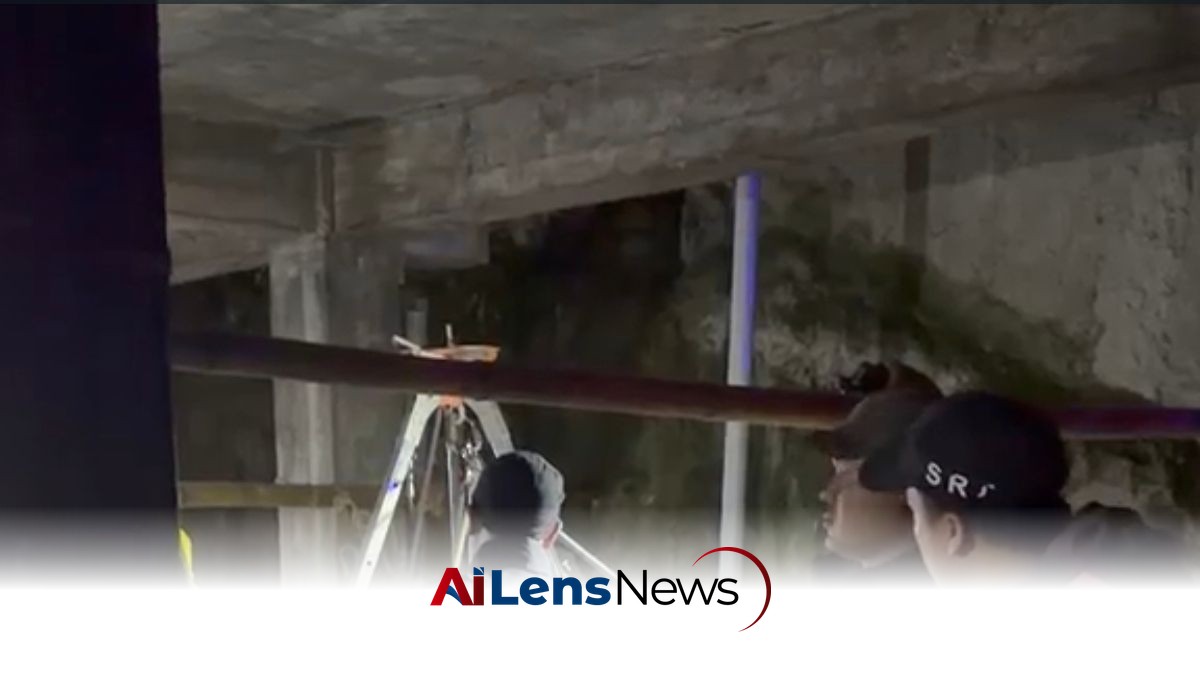


Following the tragic death of five workers in a well in Lapalang, police have summoned the owner and contractor for questioning. Chief Minister Conrad Sangma has promised support for the victims' families.
Shillong, India Jul 14, 2026 ALN: The police have summoned the owner and contractor after five workers tragically died in a well in Lapalang. This incident has not only brought to light the immediate dangers present in construction and maintenance work but has also raised broader concerns about workplace safety regulations and enforcement in India. Chief Minister Conrad Sangma has assured that action will be taken following this unfortunate incident, indicating a commitment from the government to address the issues surrounding worker safety.
The chief minister stated that he will explore ways to financially assist the families affected by this tragedy, recognizing the profound impact that such a loss has on the victims' loved ones. Financial support is often necessary in the wake of such incidents, as families may lose their primary breadwinners and face significant economic hardships. The state’s response in terms of compensation and support can play a crucial role in helping these families rebuild their lives.
East Khasi Hills Superintendent of Police (SP) Vivek Syiem confirmed that a case of negligence has been filed in connection with the incident. "It was an unfortunate incident where five people died in a well due to carbon dioxide poisoning. A case has been registered under Section 106 for negligence leading to death, as well as Sections 50 and 51 of the Disaster Management Act," Syiem explained. This legal framework is intended to hold accountable those who fail to adhere to safety standards that protect workers in potentially hazardous environments.
The owner of the premises, K Hinge, and the contractor, M Beena, have been called in for questioning. "The two individuals implicated are the owner of the premises, K Hinge, and the contractor, M Beena. They have been summoned today under Section 33 of the BNSS, and their statements have been recorded," he added. The legal implications of this incident could be significant, as negligence leading to death can result in severe penalties for those found responsible. The investigation will likely delve into the safety protocols that were—or were not—implemented at the site, as well as the training and preparedness of the workers involved.
This incident has raised serious concerns regarding safety measures and protocols in construction sites, prompting calls for stricter regulations to prevent such tragedies in the future. The construction industry is often criticized for its lax safety standards, particularly in developing regions where enforcement of regulations can be inconsistent. In many cases, workers may not receive adequate training or protective equipment, which can lead to dangerous situations, as seen in this tragic case.
Carbon dioxide poisoning, the cause of death for the workers in this instance, is a serious hazard that can occur in confined spaces such as wells. When carbon dioxide accumulates, it can displace oxygen in the air, leading to suffocation and death. This highlights the necessity for proper ventilation and monitoring in such environments. Workers must be made aware of the dangers they face, and employers have a responsibility to implement safety measures that mitigate these risks.
As investigations continue, the community mourns the loss of the five workers, highlighting the need for enhanced safety standards in hazardous work environments. The emotional toll on the families and the community cannot be overstated. Funerals and memorial services are often a time for collective grief, and this incident has undoubtedly left a lasting impact on the local population. Community leaders and advocates are likely to rally for change, urging the government to take decisive action to improve safety conditions in the workplace.
In response to this incident, it is anticipated that local and national authorities may review existing safety regulations and consider implementing more stringent guidelines to protect workers. This could involve increased inspections of construction sites, mandatory safety training for workers, and stricter penalties for non-compliance with safety standards. Moreover, there may be a push for greater awareness campaigns to educate workers about the risks associated with certain jobs and the importance of following safety protocols.
The implications of this incident extend beyond the immediate tragedy, potentially influencing policies and practices across the construction industry. If the investigation reveals systemic issues related to safety and negligence, it could lead to broader reforms aimed at protecting workers not only in Shillong but also in other regions facing similar challenges. This case serves as a stark reminder of the vulnerability of workers in hazardous occupations and the urgent need for comprehensive safety measures to prevent future tragedies.
In conclusion, the tragic deaths of the five workers in Lapalang underscore the critical importance of workplace safety in the construction industry. As the investigation unfolds and the community seeks justice and support for the affected families, it is hoped that this incident will catalyze meaningful changes that prioritize the health and safety of workers across the region. The commitment from government officials, community leaders, and industry stakeholders will be essential in ensuring that such a tragedy does not occur again in the future.
Workplace safety, particularly in construction and maintenance sectors, has been a persistent issue in India, reflecting a broader narrative of labor rights and protections. The construction industry is one of the largest employers in India, providing jobs to millions of workers, many of whom come from vulnerable backgrounds. Despite the critical role these workers play in the economy, they often face hazardous working conditions that can lead to serious injuries or fatalities.
Historically, India has struggled with enforcing safety regulations in various industries, including construction. The Occupational Safety, Health and Working Conditions Code, 2020, was introduced to address some of these concerns, but the effectiveness of its implementation remains to be seen. Many labor advocates argue that without rigorous enforcement mechanisms and accountability measures, regulations exist only on paper and fail to protect workers in real-world scenarios.
The recent incident in Lapalang serves as a tragic reminder of the potential consequences of inadequate safety measures. It highlights the need for a cultural shift in how safety is perceived and prioritized within the construction industry. Employers must not only comply with legal obligations but also foster an environment where worker safety is a fundamental value. This can be achieved through regular training programs, safety drills, and open communication channels between workers and management regarding safety concerns.
Furthermore, the role of local government and regulatory bodies is crucial in ensuring compliance with safety standards. Increased inspections and oversight can help identify potential hazards before they lead to tragedies. In addition, community involvement in safety advocacy can empower workers to speak up about unsafe conditions without fear of retaliation.
The emotional and psychological impact of such tragedies extends beyond the immediate loss of life. Families left behind often grapple with grief, financial instability, and the burden of unexpected funeral costs. The community as a whole can also experience a sense of loss, as the deaths of workers resonate through families, friendships, and neighborhoods. Therefore, it is essential for the government and local organizations to provide not just financial assistance but also psychological support to help families navigate their grief and rebuild their lives.
As the investigation unfolds and the community seeks justice for the victims, it is imperative that lessons are learned from this tragedy. The hope is that it will lead to a renewed commitment to worker safety across the construction industry, ultimately fostering a safer work environment for all. The tragic loss of these five workers should serve as a catalyst for change, prompting stakeholders at all levels to prioritize the health and safety of workers to prevent similar incidents in the future.
To learn more about the latest developments in Crime & Law, stay updated with our exclusive reports and analyses on AiLensNews.

