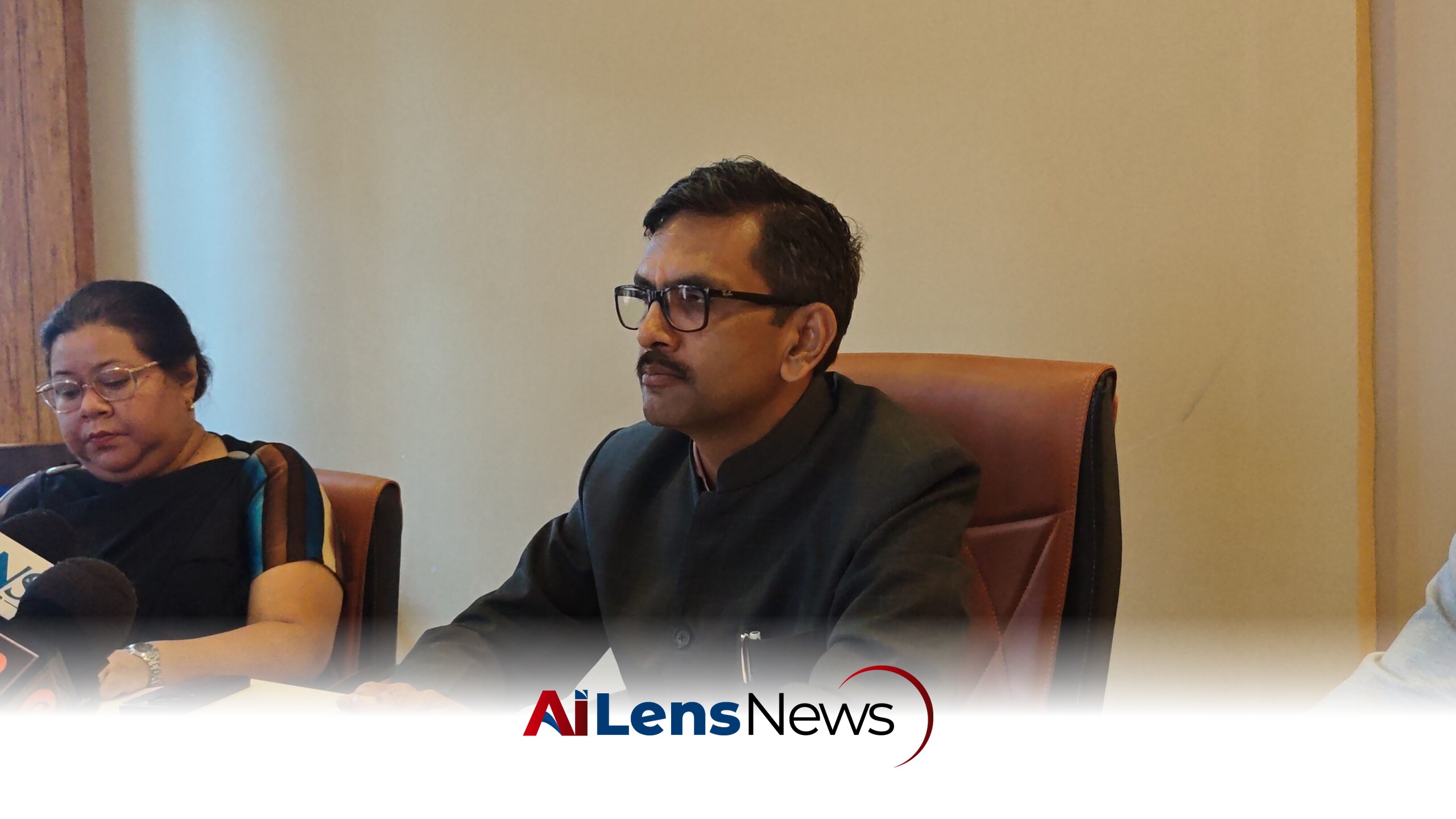


In Shillong, 2,166 electors abstained from the enumeration process under the Special Intensive Revision (SIR) 2026, citing various reasons including superstitions and refusal to be photographed.
Shillong, India Jul 28, 2026 ALN: The recent Special Intensive Revision (SIR) enumeration process in Shillong has seen a notable abstention rate, with 2,166 electors choosing not to participate. This figure raises concerns about voter engagement and the implications for the upcoming electoral processes. The reasons behind this refusal are varied and multifaceted, as sources indicate that some of these individuals are residents of border areas, while others are influenced by superstitions or have opted out due to discomfort with being photographed.
The SIR initiative aims to update the electoral rolls ahead of the 2026 elections, ensuring that the voter list is both accurate and comprehensive. Chief Electoral Officer Dr. BDR Tiwari emphasized the importance of this process, noting that individuals who fail to submit their forms before the upcoming deadline will not be included in the Draft Electoral Roll, which is scheduled for publication on August 5. This deadline is crucial as it marks a significant step in finalizing the voter list for the upcoming elections.
As the SIR process approaches its conclusion, July 29 has been set as the final date for the distribution and digitization of the necessary forms. Dr. Tiwari has instructed all booth-level officers to expedite their efforts to reach the remaining households, ensuring that every eligible voter has the opportunity to register. The urgency of this task underscores the electoral body’s commitment to inclusivity and accuracy in the electoral process.
According to verification data released on July 28, a total of 149,656 electors, representing 6.37% of the state’s total electorate of 2,349,645, have been categorized under Absent, Shifted, Death, and Duplicate (ASSD) categories. This breakdown includes a significant number of deceased individuals, with 74,851 entries, as well as 37,914 voters who have shifted their residence, 28,826 who are absent, and 5,899 duplicate entries. The 2,166 refusals add another layer of complexity to the electoral roll management.
Furthermore, another pressing issue is the 224,435 electors, or 9.55% of the electorate, who fall under the ‘No Mapping’ category. This indicates that these individuals require further verification to ascertain their status and eligibility. The significant number of voters in this category raises questions about the effectiveness of outreach and awareness campaigns conducted by electoral officials.
In light of these developments, Dr. Tiwari has urged electors who have yet to submit their completed forms to do so promptly. They can either hand their forms directly to their Booth Level Officers (BLOs) or utilize the ECINET App or Portal for self-enumeration. This dual approach aims to facilitate participation and streamline the registration process, accommodating varying levels of digital literacy and access among the electorate.
Dr. Tiwari has also noted that all cases categorized as ASSD and refusals will be processed in strict accordance with the Registration of Electors Rules, 1960. This includes a verification process and an opportunity for concerned electors or their family members to address any discrepancies or issues related to their registration status. Such measures are essential to uphold the integrity of the electoral process and ensure that every eligible voter has a voice in the upcoming elections.
The SIR process is a critical component of the electoral framework in India, designed to enhance the accuracy of voter rolls and ensure that the democratic process is inclusive. The high number of refusals and the significant proportion of voters requiring further verification highlight the ongoing challenges faced by electoral officials in engaging with all segments of the population.
As the SIR enters its final phase, the Chief Electoral Officer has made a heartfelt appeal to all remaining electors to participate actively in the enumeration process. This call to action is not just about fulfilling a bureaucratic requirement; it is about empowering citizens to exercise their democratic rights and contribute to a transparent electoral system. The implications of these efforts extend beyond the immediate electoral cycle, as an accurate and inclusive electoral roll is foundational to the health of democracy in the region.
Moreover, the abstention of over 2,000 voters from the enumeration process raises broader questions about voter apathy and engagement in the democratic process. Understanding the underlying reasons for such refusals—whether they stem from logistical challenges, cultural beliefs, or a lack of trust in the electoral system—will be crucial for future electoral initiatives. Addressing these issues could involve targeted outreach programs, community engagement efforts, and educational campaigns aimed at demystifying the registration process and emphasizing the importance of voter participation.
In conclusion, the Special Intensive Revision enumeration process in Shillong serves as a reminder of the vital role that electoral participation plays in a functioning democracy. The challenges faced by electoral officials, coupled with the complexities of voter engagement, underscore the need for ongoing efforts to ensure that every eligible citizen has the opportunity to make their voice heard. As the deadline approaches, it is imperative that all stakeholders, including government officials, community leaders, and citizens, work collaboratively to foster a more inclusive electoral environment.
To further understand the implications of these figures, it is essential to consider the historical context of voter engagement in India. Over the years, various initiatives have been launched to enhance voter participation, particularly among marginalized groups. However, the persistence of abstentions, such as those seen in Shillong, indicates that there is still much work to be done.
One of the primary factors influencing voter participation is access to information. Many potential voters may not be fully aware of their rights or the processes involved in registering to vote. This lack of awareness can be exacerbated in remote areas where access to digital platforms is limited and where traditional forms of communication may not reach all households effectively.
Additionally, cultural beliefs and practices can play a significant role in shaping attitudes towards electoral participation. In some communities, there may be a prevalent belief that voting is not necessary or that the electoral process is rigged, leading to disillusionment among potential voters. Such sentiments can be particularly strong in areas where residents feel that their interests are not represented by elected officials.
Furthermore, logistical challenges, such as travel distances to polling stations or difficulties in obtaining necessary documentation, can deter individuals from participating in the electoral process. These barriers are often more pronounced in rural or border areas, where infrastructure may be lacking and where residents may face additional hurdles in accessing government services.
In response to these challenges, electoral officials are increasingly recognizing the need for targeted outreach and education campaigns. By engaging with communities directly and addressing their specific concerns, officials can work to rebuild trust in the electoral process and empower citizens to take an active role in shaping their governance.
As the SIR process continues, it will be important to monitor the outcomes of these efforts. Evaluating the effectiveness of outreach initiatives and understanding the demographic makeup of those who abstain from voting will provide valuable insights for future electoral strategies.
Ultimately, fostering a culture of electoral participation requires a multifaceted approach that encompasses education, accessibility, and community engagement. By prioritizing these elements, the electoral body can work towards creating an environment where every citizen feels valued and empowered to participate in the democratic process.
In conclusion, the abstention of over 2,000 voters in Shillong's SIR enumeration process is a stark reminder of the ongoing challenges faced by electoral officials. It highlights the need for sustained efforts to engage with all segments of the population and ensure that every eligible citizen has the opportunity to exercise their democratic rights. As the electoral landscape continues to evolve, it is essential that all stakeholders collaborate to promote inclusivity and transparency in the electoral process.
To learn more about the latest developments in Politics, stay updated with our exclusive reports and analyses on AiLensNews.

