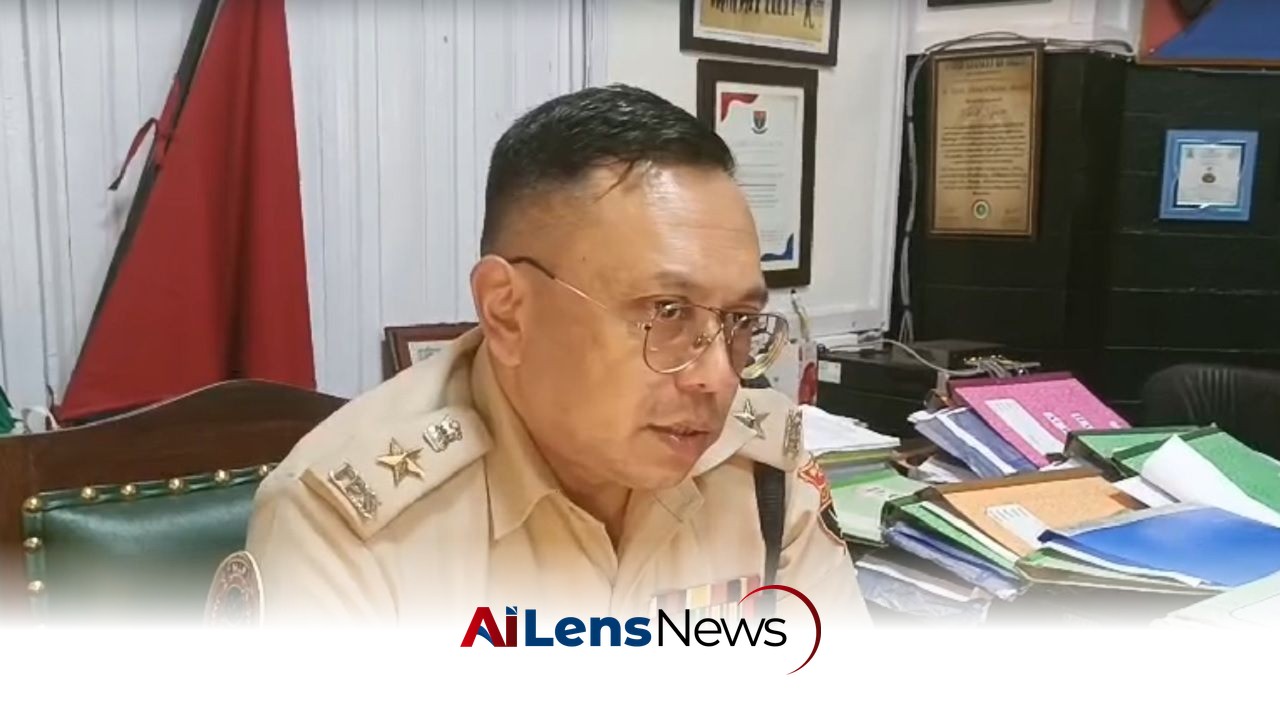


Authorities in East Khasi Hills have summoned the owner and contractor linked to the Lapalang well tragedy, where five workers died from suspected carbon dioxide poisoning.
Shillong, India Jul 13, 2026 ALN: SHILLONG, JUL 13: East Khasi Hills Police have summoned the owner of the premises and a contractor in connection with the Lapalang well tragedy that claimed the lives of five workers due to suspected carbon dioxide poisoning.
The incident has shocked the local community and raised serious concerns about workplace safety and environmental regulations in the region. The well, which is located in Lapalang, a locality in the East Khasi Hills district of , has now become a focal point for discussions around the safety measures that should be in place for such hazardous environments. The five workers, who were reportedly engaged in some form of work related to the well, lost their lives under tragic circumstances that have prompted a thorough investigation by local authorities.
East Khasi Hills SP Vivek Syiem stated on Monday that a case has been registered and statements have been recorded. “It was an unfortunate incident indeed where five people died in a well. They died of carbon dioxide poisoning. A case has been registered under Section 106 for negligence leading to death, and Sections 50 and 51 of the Disaster Management Act,” Syiem said. This legal framework is crucial as it addresses negligence and the responsibilities of individuals and entities in managing risks associated with potentially dangerous environments.
The case has drawn attention to the responsibilities of contractors and property owners when it comes to ensuring safety measures are in place. Syiem confirmed that the two individuals named in the case are the owner of the premises, K. Hinge, and the contractor, M. Beena. “The two people who have been implicated are the owner of the premises and the contractor. They have been summoned today under Section 33 of the BNSS and they have been examined, and their statements recorded,” the SP added. This step is part of a broader investigation that seeks to determine the extent of liability and whether proper protocols were followed prior to the incident.
Carbon dioxide is a colorless, odorless gas that can be extremely dangerous in enclosed spaces. It is produced during various natural processes, including the decomposition of organic matter, and can accumulate in wells and other confined spaces, leading to hazardous conditions. The investigation will likely explore how the workers were exposed to such an environment without adequate safety measures in place. Syiem mentioned that the investigation is ongoing, with police awaiting reports from technical departments to ascertain any negligence. “The investigation in this case is on and we are waiting for opinions from different departments like Pollution, Water Resources and others, to see if there is any negligence on the part of the owner and the contractor,” he explained.
This multifaceted investigation highlights the importance of inter-departmental cooperation in addressing safety issues. The involvement of various technical departments, including those focused on pollution and water resources, underscores the complexity of the situation. Each department will bring its expertise to evaluate the conditions surrounding the well and the practices of those who were involved in its management.
“After we get these opinions from them, as they have already visited the site on Saturday, then we will take a call as to how to go forward with the case,” Syiem added. The timeline for these reports is critical, as it will influence the next steps in the legal proceedings. The police have indicated that they are taking the matter seriously, and the outcome of the investigation could have significant implications for workplace safety regulations in the region.
The SP clarified that no arrests have been made so far. “They have not been arrested but a notice has been issued,” he stated. This approach suggests that the investigation is still in its early stages, and the authorities are gathering evidence before making any formal charges. The issuance of a notice indicates that the implicated parties are being asked to cooperate with the investigation, which may lead to further legal actions depending on the findings.
As the investigation unfolds, it is essential to consider the broader implications of this tragedy. Workplace safety, especially in hazardous environments such as wells, is a critical issue that requires stringent regulations and enforcement. The loss of five lives not only affects the families of the deceased but also serves as a grim reminder of the potential dangers that exist in various labor sectors. The tragedy has sparked conversations among labor unions, safety advocates, and community leaders about the need for better training and safety protocols to prevent such incidents in the future.
Moreover, the Lapalang well tragedy has raised questions about the enforcement of existing safety regulations and the accountability of contractors and property owners. There is a pressing need for a comprehensive review of safety standards in the region, particularly in industries that involve working in confined spaces or with hazardous materials. Community members and local leaders are calling for more rigorous inspections and training programs to ensure that workers are equipped with the knowledge and tools to protect themselves in dangerous situations.
In conclusion, the Lapalang well tragedy is a stark reminder of the importance of safety in the workplace and the responsibilities of those who manage potentially hazardous environments. As the investigation continues, it is hoped that lessons will be learned that could prevent future tragedies. The community, while mourning the loss of five workers, is also advocating for change to ensure that such an incident does not happen again. The outcomes of this investigation could serve as a catalyst for improved safety practices and regulations in and beyond, ultimately aiming to protect workers and save lives.
The implications of this incident extend beyond the immediate tragedy. It raises critical questions about the systemic issues that may exist within the labor market in , particularly in sectors where workers are often exposed to hazardous conditions without adequate oversight or protection. The local government may need to revisit its policies on workplace safety, ensuring that they are not only comprehensive but also effectively enforced.
Furthermore, community engagement in safety discussions is vital. Local residents, especially those in industries prone to accidents, should be encouraged to participate in safety training and awareness programs. This could help foster a culture where safety is prioritized, and workers feel empowered to speak up about unsafe conditions without fear of repercussions.
In the wake of this tragedy, it is crucial for stakeholders, including government bodies, employers, and workers, to come together to create a safer working environment. The Lapalang well incident serves as a tragic reminder of the potential consequences of negligence and the urgent need for comprehensive safety measures in all workplaces, particularly those involving hazardous materials or environments.
Ultimately, the Lapalang well tragedy should not be seen as an isolated incident but rather as a call to action for all involved in workplace safety. It is an opportunity to reflect on current practices, implement meaningful changes, and ensure that such a tragedy is not repeated in the future. The loss of five lives must serve as a catalyst for change, prompting a reevaluation of safety protocols that protect workers and uphold the dignity of labor in and beyond.
To learn more about the latest developments in Crime & Law, stay updated with our exclusive reports and analyses on AiLensNews.

