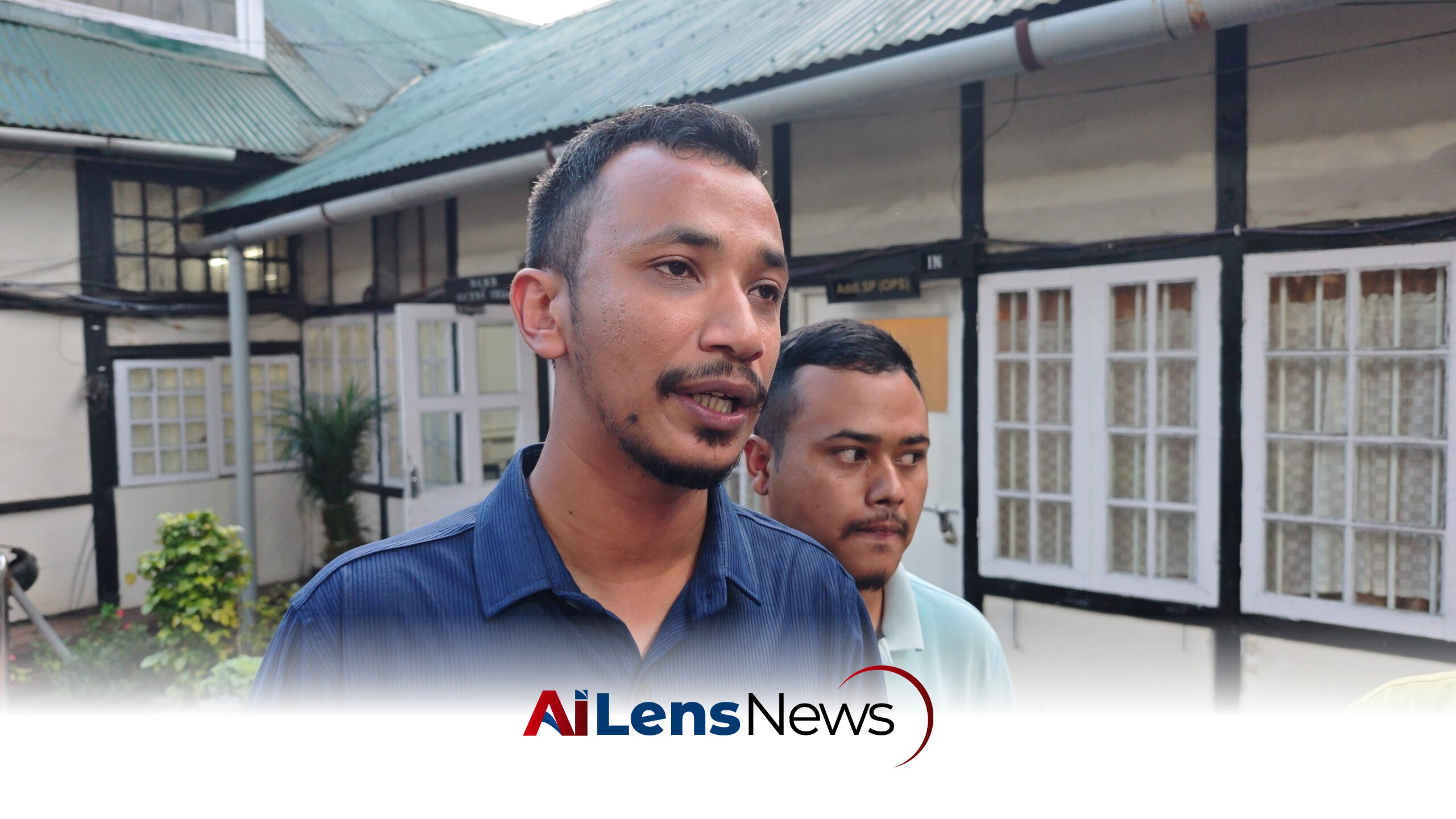


The Khasi Students’ Union is pushing for legal measures against a nurse accused of molesting a minor and has threatened protests over recruitment issues at NEIGRIHMS.
Shillong, India Jul 14, 2026 ALN: The Khasi Students’ Union (KSU) has called for legal action regarding the molestation of a minor by a male nurse at the North Eastern Indira Gandhi Regional Institute of Health and Medical Sciences (NEIGRIHMS). This incident has raised significant concerns about the safety and well-being of patients, especially minors, within healthcare facilities in the region. The union is also demanding accountability for those who allegedly supported the accused, highlighting a broader issue of institutional responsibility in safeguarding vulnerable populations.
A delegation led by KSU general secretary Reuben Najiar met with East Khasi Hills Superintendent of Police Vivek Syiem to discuss the matter. During this meeting, Syiem confirmed that the nurse had been questioned and that a chargesheet would follow, indicating that law enforcement is taking the allegations seriously. The response from the police is crucial in ensuring that justice is served and that such incidents are not repeated in the future.
The KSU has also issued a warning of renewed protests if NEIGRIHMS proceeds with recruitment without addressing their demands regarding tribal reservations and the male-female staff ratio. The issue of recruitment practices is not merely administrative; it reflects deeper societal concerns about representation and equity in employment opportunities, particularly for marginalized communities. Najiar stated that the union had sent a reminder to the NEIGRIHMS Director concerning an agreement reached on May 5, 2025, after a five-day sit-in demonstration last year, which underscores the union's commitment to advocating for their rights.
“After discussions involving former cabinet minister Paul Lyngdoh and NEIGRIHMS officials, we concluded that recruitment would not proceed until these issues are resolved,” Najiar explained. The agreement reached in 2025 was expected to address long-standing grievances regarding the hiring practices at NEIGRIHMS, particularly the need for a balanced representation of tribal and non-tribal staff. This is particularly important in a region like , where tribal communities make up a significant portion of the population and are often underrepresented in various professional fields.
Despite assurances that the matter would be settled within a month and forwarded to the ministry, more than a year has passed with no progress, he added. This delay has exacerbated frustrations within the KSU, as they feel that their concerns are being overlooked by the authorities. The KSU leader emphasized that while they do not wish to obstruct recruitment due to the increasing patient load, they accuse the government of failing to fulfill its promises.
“As a union, we do not want to halt the recruitment process in NEIGRIHMS because we understand that with the growing numbers of patients, there is also a need for more nurses,” Najiar stated. This acknowledgment of the need for increased staffing reflects the union's understanding of the healthcare challenges facing the region, especially in light of rising patient numbers due to various health crises and demographic changes.
According to the union, they have received information that the NEIGRIHMS Director plans to present the recruitment proposal to the governing council without incorporating KSU’s suggestions. This raises concerns about the transparency and inclusivity of the recruitment process. The KSU believes that without their input, the recruitment may disproportionately favor candidates from outside the state, thereby undermining local employment opportunities.
“If they proceed with the recruitment as it stands, we will see all the male nurses coming to NEIGRIHMS, and jobs meant for tribals will be taken by individuals from outside the state,” he warned. This statement reflects a broader anxiety about job security and the preservation of local employment for tribal communities, which have historically faced challenges in accessing professional opportunities.
In a letter addressed to the Director, the KSU stated that they would not allow the governing council meeting to take place until the issues are resolved. This ultimatum signifies the union's determination to hold the authorities accountable for their commitments and to ensure that the recruitment process is fair and equitable.
“If NEIGRIHMS does not honor the agreement made on May 5, we will initiate another agitation. This time, it will not be limited to a sit-in protest; we are prepared to take more extreme measures,” Najiar cautioned. This statement highlights the potential for escalating tensions between the KSU and NEIGRIHMS, with the possibility of significant public demonstrations or strikes if their demands are not met.
The implications of this situation extend beyond the immediate concerns of recruitment and legal action. It raises questions about the broader governance and accountability mechanisms within healthcare institutions in the region. The KSU's insistence on addressing these issues reflects a growing awareness among local communities about their rights and the need for active participation in decision-making processes that affect their lives.
Healthcare facilities, particularly in regions like Northeast India, often face challenges related to staffing, resources, and patient care quality. The KSU's demands underscore the importance of ensuring that healthcare systems are not only adequately staffed but also representative of the communities they serve. The call for equitable recruitment practices is a reminder of the historical marginalization of tribal populations in various sectors, including healthcare.
Moreover, the recent incident of molestation at NEIGRIHMS raises critical questions about the safety protocols in place at healthcare institutions. It emphasizes the need for stringent measures to protect vulnerable patients, particularly minors, within medical facilities. The KSU's call for legal action is not only a response to this particular incident but also part of a larger movement advocating for safer healthcare environments across the region.
The involvement of law enforcement is crucial in this context, as the police's handling of the case could set a precedent for how similar cases are addressed in the future. The community's trust in healthcare systems and law enforcement agencies is essential for effective governance and public health outcomes. Ensuring that justice is served in this case could help rebuild confidence among patients and their families regarding the safety of healthcare facilities.
In conclusion, the KSU's demands for legal action in the nurse molestation case and their insistence on equitable recruitment practices at NEIGRIHMS highlight critical issues of safety, representation, and accountability in the healthcare sector. As the situation unfolds, it will be essential for both the authorities and the community to engage in constructive dialogue to address these concerns and work towards a healthcare system that serves all members of society fairly and effectively. The ongoing advocacy by the KSU reflects a broader movement for justice and equity that resonates throughout the region, emphasizing the need for continued vigilance and activism in the face of systemic challenges.
To learn more about the latest developments in Crime & Law, stay updated with our exclusive reports and analyses on AiLensNews.

