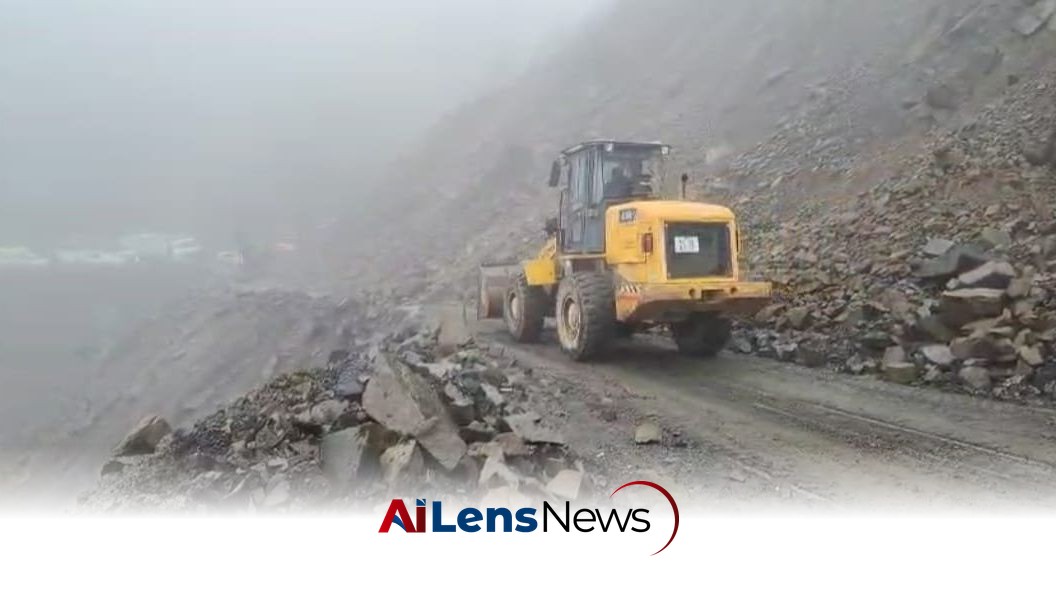


IIT Guwahati will assess the vulnerability of the Shillong-Dawki Road and Western By-Pass, implementing slope protection measures before the next monsoon.
Shillong, India Jul 19, 2026 ALN: IIT Guwahati will conduct a vulnerability assessment of the Shillong-Dawki Road and the Shillong Western By-Pass. This initiative reflects a growing awareness of the need for infrastructure projects to incorporate environmental considerations, especially in regions prone to natural disasters such as landslides. The Shillong-Dawki Road is a critical artery that connects the state of with neighboring regions, facilitating trade, tourism, and everyday travel for residents. Given the increasing frequency of extreme weather events and the geological challenges posed by the hilly terrain, the assessment is timely and necessary.
The Shillong-Dawki Road, spanning approximately 80 kilometers, serves as a vital connection between the urban center of Shillong and the Dawki border town, which is famous for its crystal-clear river and scenic landscapes. This route is particularly important for the local economy, as it supports the transport of goods and services while also attracting tourists to the region. With the rise in tourism, the road has seen increased traffic, making it even more crucial to ensure its safety and reliability.
Sources said the institute has submitted its proposal, which has been approved and advanced payment released. The decision to move forward with this assessment underscores the commitment of local authorities to enhance road safety and infrastructure resilience. A strict timeline has been set to ensure slope protection measures are implemented before the next monsoon. Monsoon seasons in the Northeast can be particularly harsh, often leading to heavy rainfall that exacerbates the risk of landslides, especially in areas where vegetation has been removed or where geological stability has been compromised.
In the context of climate change, the Northeast region of India is experiencing an increase in the intensity and frequency of rainfall, leading to a higher likelihood of landslides. The topography of the region, characterized by steep slopes and fragile soil, makes it especially vulnerable to such natural disasters. The assessment being conducted by IIT Guwahati aims to address these vulnerabilities by identifying at-risk areas along the Shillong-Dawki Road and recommending appropriate engineering solutions.
IIT Guwahati will be assisted by Genstru Consultants Pvt. Ltd, Pune, an expert firm in landslide protection. The collaboration with Genstru Consultants is significant, as their expertise in landslide management will provide a comprehensive approach to understanding and mitigating risks associated with the roadways in this sensitive ecological zone. Their role will involve not only identifying vulnerable areas but also recommending engineering solutions that are both effective and sustainable.
“First, they will assess the vulnerability and at locations found susceptible to landslides, they will conduct detailed investigations. After this, they will design suitable long-term remedial measures,” officials said. This methodical approach is crucial, as it allows for a thorough understanding of the various factors contributing to landslides, including soil composition, water drainage patterns, and human activities such as construction and deforestation. The detailed investigations will likely involve geological surveys, soil testing, and hydrological assessments to gather data that will inform the design of protective measures.
Authorities noted such a study should have been done at the project’s start. “When the project began and there was no hill cutting, issues did not crop up. Now after the majority of the hills have been cut, these problems are coming up,” an official said. This statement highlights a critical aspect of infrastructure development in hilly terrains: the need for proactive environmental assessments before construction begins. In many cases, projects are initiated without fully understanding the potential ecological impacts, leading to long-term consequences that could have been mitigated with proper planning.
Sources added that in areas where hill cutting is yet to be done, no further cutting will be allowed until IIT Guwahati submits its vulnerability assessment and precautionary measures. This decision to halt further hill cutting until the assessment is complete reflects a growing recognition of the importance of sustainable development practices. By prioritizing environmental assessments, authorities aim to prevent further destabilization of the landscape, which could lead to more frequent and severe landslides in the future.
The implications of this vulnerability assessment extend beyond the immediate concerns of road safety. The Shillong-Dawki Road serves as a vital link for economic activities, including tourism, which is a significant part of 's economy. The region is known for its stunning natural beauty, attracting visitors from across the country and abroad. However, if the road becomes increasingly unsafe due to landslides, it could deter tourists and negatively impact local businesses that rely on tourism for their livelihoods.
Moreover, the assessment and subsequent measures could set a precedent for future infrastructure projects in the region. As climate change continues to intensify weather patterns, the need for resilient infrastructure becomes increasingly urgent. This case may encourage other states and regions facing similar challenges to adopt more rigorous environmental assessments and to prioritize sustainability in their development plans. It could lead to a shift in policy where environmental considerations are integrated into the planning stages of infrastructure projects, thereby reducing the risk of ecological damage.
In conclusion, the vulnerability assessment of the Shillong-Dawki Road and the Shillong Western By-Pass by IIT Guwahati, in collaboration with Genstru Consultants, represents a significant step towards ensuring the safety and sustainability of critical infrastructure in . As the project unfolds, it will be important for stakeholders to remain engaged and to consider the long-term ecological impacts of infrastructure development in hilly and vulnerable regions. The outcomes of this assessment could provide valuable insights not only for but also for other states that are grappling with similar geographical and environmental challenges. Ultimately, this initiative may serve as a model for balancing development needs with environmental stewardship, paving the way for more resilient and sustainable infrastructure in the future.
To learn more about the latest developments in Local & Regional, stay updated with our exclusive reports and analyses on AiLensNews.

