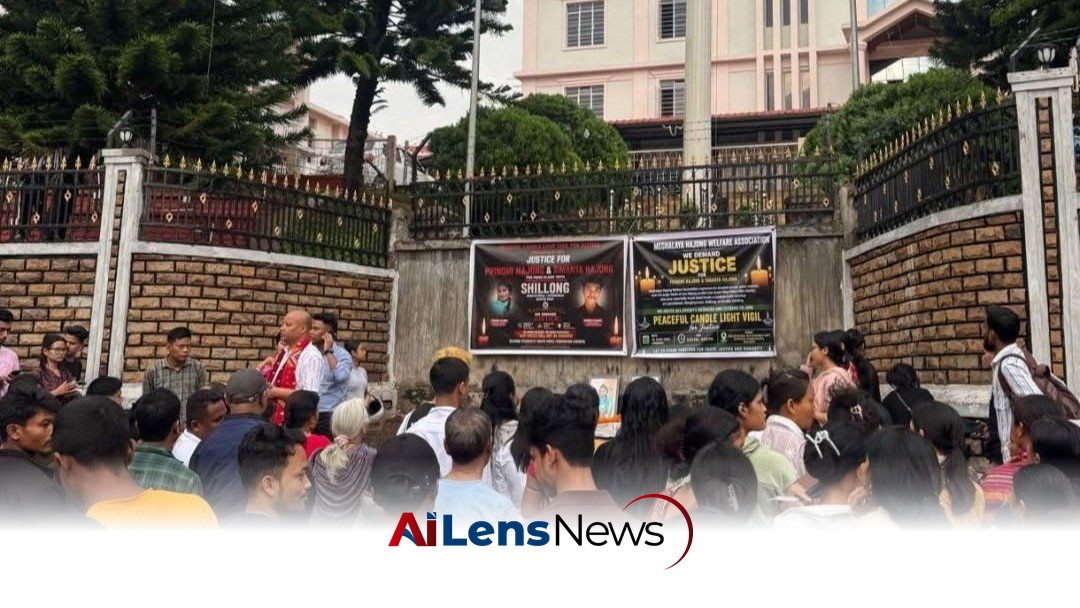


The Hajong Students Youth Voice (HSYV) is pressing for the post-mortem report of two young community members, Simanta and Prinomi Hajong, found dead under suspicious circumstances over a month ago.
Shillong, India Jul 24, 2026 ALN: The Hajong Students Youth Voice (HSYV) – Federation Council has expressed concern that over a month after the deaths of two young members of the community, their families are still awaiting the post-mortem report. This delay has raised significant questions about the circumstances surrounding the deaths and the subsequent investigation.
Simanta Hajong (21) and Prinomi Hajong (22) were found dead under suspicious circumstances inside a roadside shop at Lumsohphoh, Nongthymmai on June 14. The initial findings from local authorities indicated a possible case of suicide by hanging. However, this explanation has been met with skepticism by the victims’ families and various local groups, who are demanding a more thorough investigation into the circumstances leading to the tragic deaths.
The Hajong community, to which the deceased youths belonged, is a small ethnic group primarily found in the northeastern states of India. Known for their rich cultural heritage, the Hajongs have unique traditions and customs that are integral to their identity. The deaths of Simanta and Prinomi have not only shocked their families but have also reverberated through the entire community, raising concerns about the safety and mental health of young people in the area. The profound impact of these deaths highlights the interconnectedness of community well-being and individual mental health, particularly among the youth.
In a statement released on Thursday, the HSYV expressed their frustration and sorrow over the delay in obtaining the post-mortem report. They highlighted that the uncertainty surrounding the cause of death has left the bereaved families grappling with a myriad of unanswered questions. The HSYV emphasized the emotional toll this situation has taken on the families, stating, "For the parents, brothers, sisters, relatives, and loved ones, every sunrise brings the same pain and the same hope that today may finally bring clarity." This sentiment underscores the deep emotional distress experienced by those left behind, as the lack of closure can exacerbate feelings of grief and confusion.
The HSYV has made it clear that the families are not merely seeking sympathy; they are in dire need of answers that will help them comprehend the tragic events that transpired and allow them to begin the healing process. The lack of clarity surrounding the deaths has only intensified their grief, as they are left to navigate their loss without a clear understanding of what led to it. The emotional toll of such tragedies can have lasting effects on families, often leading to prolonged mourning periods and mental health issues for those who are left to cope with the aftermath.
In light of these circumstances, the HSYV has urged local authorities to expedite the completion of the remaining procedural steps necessary to finalize the post-mortem report. They believe that timely access to this information is crucial for the families to receive closure and for the investigation to progress with integrity. The organization has called for a commitment to truth, transparency, and justice, asserting that these principles are essential for maintaining public confidence in the investigative process. The HSYV's insistence on transparency is indicative of a broader demand for accountability in governance and law enforcement, particularly in cases involving vulnerable populations.
The HSYV's statement poignantly articulated the ongoing pain felt by the families, noting, "One month has passed, but the pain has not. One month has passed, but the questions remain. One month has passed, and two families are still waiting." This repetition serves to emphasize the urgency and importance of addressing the concerns raised by the community. It also reflects a growing frustration with the pace of investigations that can often feel slow and inadequate in the eyes of those directly affected.
The implications of this case extend beyond the immediate grief of the families involved. It raises critical questions about the effectiveness of local law enforcement and the investigative processes in place when it comes to handling sensitive cases such as these. The apparent delay in the post-mortem report and the subsequent investigation could lead to a loss of trust in the authorities, particularly if families feel that their concerns are not being taken seriously. Such a loss of trust can have far-reaching effects, potentially discouraging community members from reporting future incidents or cooperating with law enforcement.
Moreover, the case highlights broader societal issues, including mental health awareness among youth and the resources available to them. The potential for suicide, as suggested by initial reports, points to the need for increased mental health support and preventive measures within communities. The Hajong community, like many others, may face cultural stigmas surrounding mental health, which can prevent individuals from seeking help. This tragic event serves as a reminder of the importance of open discussions about mental health and the need for accessible support systems. The stigma surrounding mental health issues can often exacerbate the struggles faced by individuals, leading to tragic outcomes.
As the HSYV continues to advocate for the families of Simanta and Prinomi, their efforts may also catalyze a larger conversation about youth welfare and the responsibilities of local authorities in safeguarding the well-being of their communities. The call for justice in this case resonates not only with the Hajong community but also with various advocacy groups concerned with youth issues across the region. These groups may leverage this incident to push for systemic changes in how mental health and youth issues are addressed by local governments.
In conclusion, the demand for the post-mortem report by the HSYV is not just about seeking answers for two tragic deaths; it is a plea for transparency, justice, and a commitment to addressing the underlying issues that affect the youth in the community. As the families await clarity, the broader implications of this case will likely continue to unfold, shaping discussions around mental health, community safety, and the effectiveness of local governance. The HSYV's advocacy highlights the need for a comprehensive approach to youth welfare, which includes mental health resources, supportive community structures, and responsive law enforcement practices. The ongoing dialogue surrounding this case may serve as a catalyst for change, fostering a more supportive environment for young people in the Hajong community and beyond.
To learn more about the latest developments in Crime & Law, stay updated with our exclusive reports and analyses on AiLensNews.

