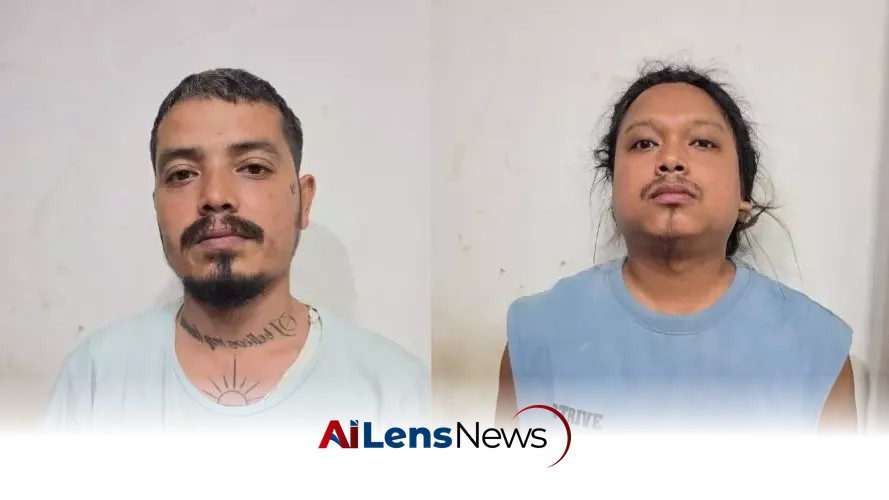


Two art students were detained for painting an unauthorized mural of Sonam Wangchuk on a flyover in Guwahati but will be released with a warning.
Shillong, India Jul 18, 2026 ALN: The recent detention of two students by Dispur Police has sparked discussions concerning the limits of artistic expression, public property rights, and the role of government regulations in creative endeavors. The students, who were apprehended for painting a portrait of notable environmentalist and activist Sonam Wangchuk on a flyover pillar without official permission, will be released after receiving a warning from the authorities.
The students, identified as Nukul Mili from Dibrugarh and Gaurav Singh from Dakhingaon in Guwahati, were caught during a routine late-night patrol near Tribeni Path, close to the Jyoti-Bishnu Cultural Complex. Their actions have raised questions about the balance between artistic freedom and adherence to public regulations.
Deputy Commissioner of Police (East) Hiranya Kumar addressed the media on Saturday, explaining that the duo was apprehended while allegedly painting on a government structure. "During night patrolling yesterday near Tribeni Path, towards the Jyoti Bishnu Auditorium, our team found two youths painting on a government wall using different colours. They were immediately apprehended, and a case has been registered at Dispur Police Station," Kumar stated. The police's intervention reflects a growing concern over unauthorized alterations to public property, which is often viewed as a communal asset.
While the police indicated that the students would be released after a warning, they emphasized the seriousness of the situation. "We will issue them notices and release them. We have also registered another case in connection with the wall painting at the Basistha flyover, and efforts are underway to identify those involved," Kumar added. This indicates a broader investigation into similar incidents that may have occurred in the area, as authorities seek to maintain control over public property.
In their defense, the students claimed that they were not affiliated with any political party or organization and insisted that the mural was a personal project. This assertion raises important points about the motivations behind street art and public murals, which can often serve as platforms for social commentary, cultural expression, or individual creativity. However, the lack of permission complicates the narrative, as it pits artistic intent against legal boundaries.
The Deputy Commissioner expressed concern about what he termed a "growing trend" of individuals painting on government property without authorization. He stated, "This is becoming a trend where people believe they can paint on or tamper with public property at will. Government property belongs to everyone and cannot be altered or damaged without permission. People should refrain from such activities. We will not hesitate to take strict legal action, including sending offenders to jail wherever necessary." This statement underscores the police's commitment to enforcing regulations and maintaining the integrity of public spaces.
The incident also aligns with the Assam government's directive, which explicitly prohibits murals, graffiti, paintings, or writings on flyovers, bridges, and other public structures without prior approval. Chief Minister Himanta Biswa Sarma has reiterated that no artwork will be permitted on public infrastructure unless authorized by the government. This policy aims to preserve the aesthetics of the city and prevent unauthorized defacement, reflecting a broader trend in urban governance where local authorities seek to control public spaces more strictly.
The portrait of Sonam Wangchuk, which garnered attention after being shared on social media, is emblematic of the complexities surrounding street art. Wangchuk, a Ladakh-based innovator, environmentalist, and educator, is known for his contributions to sustainable development and education. His image, thus, resonates with many who advocate for environmental issues and social change. However, the act of painting his portrait in an unauthorized manner raises questions about the legitimacy of using public spaces for political or social statements.
As discussions unfold regarding the implications of this incident, it becomes clear that the intersection of art, legality, and public sentiment is a nuanced and often contentious space. While many may sympathize with the students’ artistic intentions, the legal framework surrounding public property cannot be overlooked. The incident has ignited a conversation about the role of artists in society and the responsibilities that come with creative expression.
Moreover, the case may set a precedent for how similar situations are handled in the future. With authorities taking a firm stance against unauthorized public art, artists may need to navigate a more complex landscape when seeking to express themselves in public spaces. This could lead to a chilling effect on creativity, as artists may hesitate to engage with public spaces for fear of legal repercussions.
In conclusion, while the students will be released after a warning, the ongoing legal proceedings related to the alleged defacement of public property will continue. This incident serves as a reminder of the delicate balance between artistic expression and adherence to laws governing public spaces. As urban areas like Guwahati evolve, the dialogue surrounding public art, community engagement, and government regulations will likely continue to develop, reflecting the diverse perspectives and values within society.
Understanding the context of this incident requires a broader examination of the relationship between art and society. Street art has historically served as a form of resistance and a means of voicing dissent against various societal issues. Artists often utilize public spaces to challenge norms, provoke thought, and inspire change. However, when art intersects with public property laws, the implications can lead to legal consequences that artists must navigate carefully.
In many urban settings, graffiti and murals have transformed neglected spaces into vibrant canvases of expression, contributing to community identity and pride. Cities around the world have embraced street art, recognizing its potential to beautify neighborhoods and engage local populations. However, in doing so, they often establish specific regulations to ensure that such expressions do not infringe on the rights of others or disrupt public order.
In the case of Guwahati, the local government's strict stance on unauthorized murals may reflect a desire to maintain control over the urban landscape. This approach could be seen as an effort to uphold public order and prevent vandalism, but it may also stifle the creative spirit that street art embodies. The challenge lies in finding a balance that allows for artistic expression while respecting the collective ownership of public spaces.
Furthermore, the incident raises questions about the role of artists as agents of change within their communities. Should artists seek permission to create public works, or should they rely on the spontaneity of their creativity, even if it means breaking the law? The debate is complex, as it touches on issues of artistic integrity, social responsibility, and the potential consequences of one's actions.
As the students involved in this incident reflect on their experience, they may consider the broader implications of their actions. The mural they created, while unauthorized, was intended to honor a figure known for advocating sustainable practices and environmental awareness. This intention highlights the potential for art to serve as a catalyst for important discussions about pressing societal issues, particularly in a time when climate change and environmental degradation are at the forefront of global consciousness.
The reaction from the authorities, however, underscores the challenges that arise when creative expression is perceived as a threat to public order. The students’ decision to paint without permission may have been driven by a desire to contribute to the dialogue on environmental issues, but it also illustrates the risks associated with artistic endeavors that challenge the status quo.
Ultimately, the incident involving the students and the unauthorized mural of Sonam Wangchuk serves as a microcosm of the larger conversation surrounding art, legality, and public space. As urban environments continue to evolve, the need for constructive dialogue between artists, government entities, and the community becomes increasingly vital. Finding common ground that respects both the rights of artists to express themselves and the need to maintain the integrity of public property will be crucial as cities navigate the complexities of contemporary urban life.
Moving forward, it remains to be seen how this incident will influence future interactions between artists and authorities in Guwahati and beyond. Will it lead to more stringent regulations that stifle creativity, or will it spark a movement toward more collaborative approaches that embrace the value of public art? The answers to these questions will shape the future of artistic expression in public spaces, ultimately reflecting the evolving values and priorities of society as a whole.
To learn more about the latest developments in Crime & Law, stay updated with our exclusive reports and analyses on AiLensNews.

