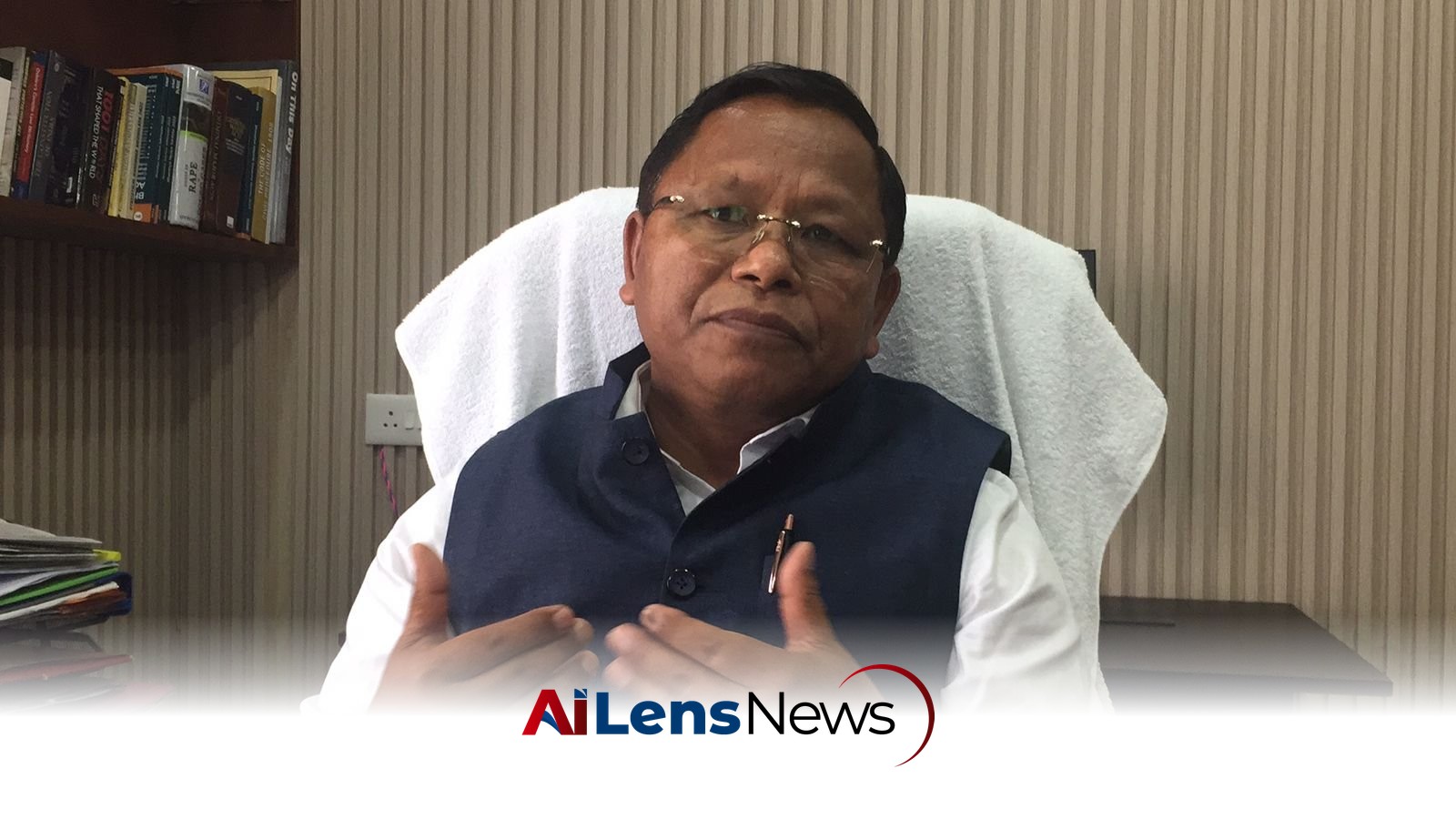


The government plans to establish a single authority to streamline urban water supply in Shillong and Tura, aiming to eliminate overlapping responsibilities among agencies.
Shillong, India Jul 22, 2026 ALN: The government is working on a plan to streamline urban water supply by setting up a single authority to oversee the system, with the aim of eliminating overlapping responsibilities among different agencies. This initiative comes in the wake of growing concerns regarding the efficiency and reliability of urban water supply systems, particularly in cities like Shillong and Tura, where multiple agencies share the responsibility of water distribution.
Public Health Engineering (PHE) Minister Marcuise N Marak, speaking to reporters today, highlighted the complexities and inefficiencies that arise from the current arrangement. He noted that the existing system often results in delays in addressing public complaints, as residents are unsure which agency to approach for their water-related issues. The fragmentation of responsibilities means that when a complaint is filed, it can take a considerable amount of time for the appropriate agency to be identified and for action to be taken. This not only frustrates residents but can also lead to prolonged periods of water supply disruptions.
The minister's remarks were made during the opening of the State-Level Jal Utsav 2026, an event centered around the theme ‘Celebrating Water, Securing Sources’. This campaign aims to celebrate the state’s water heritage while promoting conservation efforts and strengthening community ownership of drinking water systems. The emphasis on community involvement is crucial, as local populations often have the most immediate stake in the management of their water resources.
Currently, the PHE Department is responsible for supplying water in bulk to the Shillong Municipal Board (SMB) and the Shillong Cantonment Board (SCB), which then handle the distribution to consumers. This tiered structure can create additional layers of bureaucracy that complicate the response to urgent issues. Marak explained that when residents report problems such as water leakages, the PHE officials are often called to inspect the issue. However, many times, it turns out that the matter falls under the jurisdiction of the Municipal Board or the Cantonment Board, leading to unnecessary delays in resolving the problem.
To address these challenges, the government is proposing a unified system under the concept of “one mechanism, one platform and one authority” to manage the entire water supply network for Shillong and the surrounding urban agglomeration. This proposal aims to centralize the management of urban water supply, which could lead to more streamlined processes and quicker responses to public grievances. By consolidating authority, the government hopes to improve coordination between agencies, thereby ensuring that complaints are addressed more efficiently and effectively.
The implications of such a restructuring are significant, particularly in light of the increasing urban population and the corresponding demand for reliable water supply services. Urban areas often face challenges related to water scarcity, infrastructure maintenance, and pollution, all of which necessitate a robust and responsive water management system. A unified authority could potentially lead to better resource allocation, improved infrastructure development, and enhanced service delivery, ultimately benefiting residents who rely on consistent access to clean water.
A similar restructuring is also being considered for Tura, where the PHE Department and the Garo Hills Autonomous District Council (GHADC) currently share responsibility for water supply. The challenges faced in Tura mirror those in Shillong, with overlapping jurisdictions creating confusion and delays in service delivery. By adopting a unified approach in both cities, the government aims to establish a model that could be replicated in other urban areas across the state.
Marak emphasized that the government is committed to engaging with all stakeholders before finalizing the proposal. “We will first consult all stakeholders. Only after that process is completed will we move forward. It will take some time, but the objective is to improve accountability and provide better service delivery,” he said. This consultation process is vital, as it ensures that the voices of residents, local leaders, and other stakeholders are heard and considered in the decision-making process. It also fosters a sense of community ownership over the water supply system, which can enhance public trust and compliance with water conservation measures.
The proposal for a unified authority aligns with broader trends in urban water management, where many cities around the world are recognizing the need for integrated approaches to address the complexities of water supply and distribution. As urban populations continue to grow, the demand for efficient and sustainable water management practices becomes increasingly critical. By taking proactive steps towards reform, the government is positioning itself to better meet the needs of its residents while also addressing environmental concerns associated with water usage.
In conclusion, the government's proposal to establish a unified authority for urban water supply management reflects a strategic response to the challenges posed by fragmented systems of oversight. By simplifying administration and enhancing coordination between agencies, the initiative aims to improve service delivery and accountability for residents in Shillong and Tura. As consultations with stakeholders commence, the success of this proposal will depend on the engagement and input of the community, ensuring that the new system not only meets technical requirements but also resonates with the needs and expectations of the people it serves.
This initiative is particularly timely given the increasing pressures on urban water resources due to climate change, population growth, and urbanization. Water scarcity is becoming a pressing issue in many parts of the world, and cities are facing the challenge of providing adequate water supply while also managing waste and pollution. The proposed unified authority could serve as a model for other regions grappling with similar issues, showcasing the importance of centralized management in ensuring efficient water distribution and conservation.
Furthermore, the establishment of a single authority could pave the way for the implementation of advanced technologies in water management. Smart water management systems, which utilize data analytics and IoT (Internet of Things) technologies, can significantly enhance the efficiency and reliability of water supply systems. By integrating such technologies, the unified authority could monitor water usage, detect leaks in real-time, and optimize water distribution based on demand patterns, thereby reducing wastage and improving service delivery.
Additionally, this initiative has the potential to foster greater collaboration between governmental and non-governmental organizations, as well as private sector partners. Public-private partnerships could be instrumental in financing infrastructure improvements and implementing innovative solutions to water management challenges. Engaging with the private sector can also bring in expertise and resources that may not be readily available within government agencies.
As the government moves forward with this proposal, it will be essential to establish clear metrics for success and accountability. Setting benchmarks for service delivery, response times to complaints, and overall customer satisfaction will be critical in evaluating the effectiveness of the new authority. Regular assessments and feedback mechanisms will help ensure that the system remains responsive to the needs of residents and can adapt to changing circumstances over time.
In summary, the proposal to create a unified authority for urban water supply management in Shillong and Tura represents a significant step towards improving the efficiency and reliability of water services in these urban areas. By addressing the complexities of the current system and fostering community involvement, the government aims to create a more effective and accountable water management framework. The success of this initiative will depend on the active participation of stakeholders and the commitment to ongoing evaluation and improvement of the water supply system.
To learn more about the latest developments in Crime & Law, stay updated with our exclusive reports and analyses on AiLensNews.

