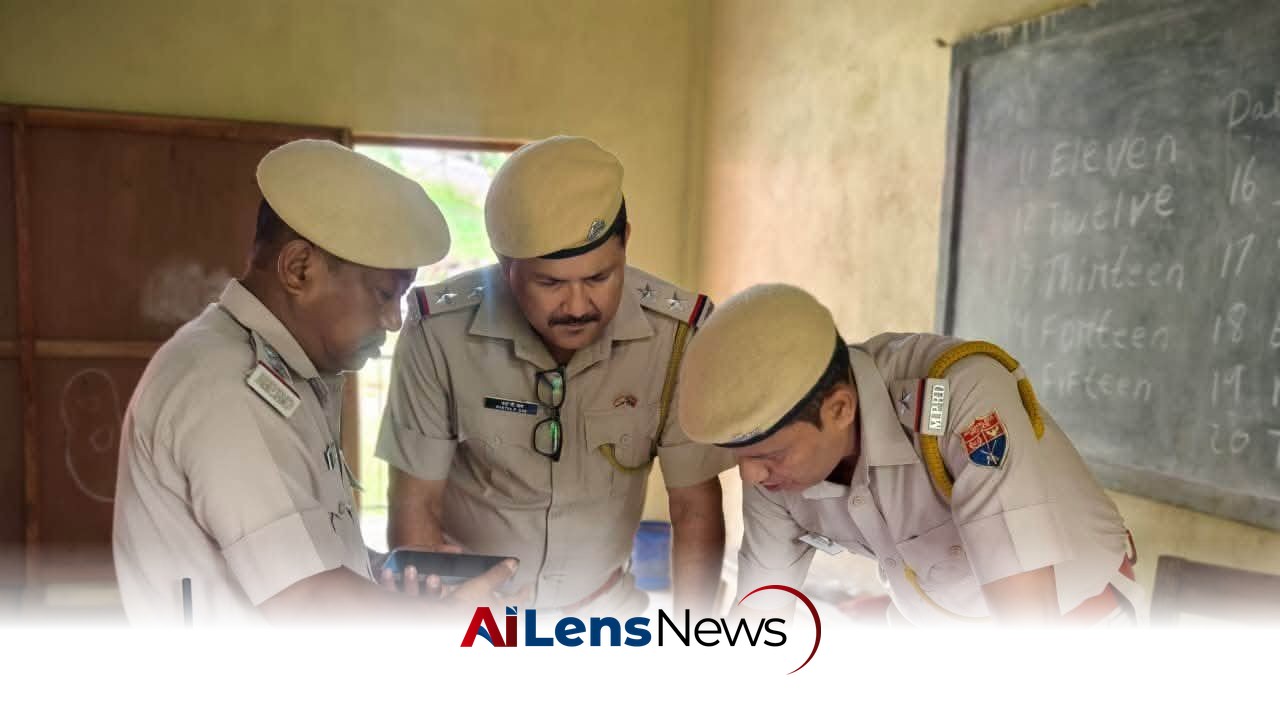


A flood preparedness mock drill at Ganol Dam tested emergency response systems and highlighted the rapid spread of misinformation on social media.
Shillong, India Jul 24, 2026 ALN: A flood preparedness mock drill conducted downstream of the Ganol Dam on Thursday successfully tested emergency response systems in West Garo Hills, but authorities said the exercise also exposed how quickly false information can spread on social media.
The drill, organised by Power Generation Corporation Limited (MePGCL) along with the District Disaster Management Authority, West Garo Hills, was carried out at Ganol Dam, Edenbari, Masumatagre, Soragre, Pagugre and Ringgi Songgital. This initiative is part of a broader strategy to enhance disaster preparedness in a region that is prone to flooding, especially during the monsoon season when heavy rains can lead to rapid water level rises in rivers and dams.
Officials from various departments including Police, Fire & Emergency Services, Health, State Disaster Response Force (SDRF), village authorities, and residents from downstream villages participated actively in the drill. An Incident Command Post was established at Masumatagre Sacred Heart School, with Jude Rangku T. Sangma, MCS, CEO DDMA West Garo Hills, serving as the Incident Commander. This structure is crucial for managing resources and coordinating efforts during an actual emergency.
The exercise simulated a dam-related flood emergency to test evacuation protocols, rescue operations, communication systems, and inter-departmental coordination. Such drills are vital for ensuring that all stakeholders understand their roles and responsibilities in the event of a real flood scenario. The simulation involved various scenarios, including the need for rapid evacuation of residents and the deployment of rescue teams to assist those in affected areas.
During the drill, authorities noted that false messages claiming a breach of the Ganol Dam circulated on social media, causing unnecessary panic in some areas. This incident underscores the growing challenge of misinformation in emergency management. In today’s digital age, social media can amplify rumors and unverified claims, which can lead to public panic and hinder effective emergency response efforts. Officials clarified that the dam remains safe and secure and that the exercise was only a simulation. The public has been urged not to believe or share unverified information and to rely only on advisories from competent authorities.
“Such preparedness exercises are conducted in the interest of public safety. We seek full cooperation from citizens and request everyone to verify facts before forwarding messages,” officials said. This statement reflects a growing awareness among authorities about the importance of public communication and the need for citizens to engage critically with the information they receive, especially during emergencies.
A Tabletop Exercise was held on July 22 at the Office of the Superintending Engineer, Ganol SHP, MePGCL, Rongkhon, Tura. This preparatory meeting involved officials, Nokmas (village headmen), Sordars (village elders), and village representatives who reviewed dam safety protocols, inundation mapping, and response strategies ahead of the field drill. Such meetings are essential for aligning the understanding and expectations of various stakeholders and ensuring that everyone is prepared for their roles in an emergency.
MePGCL and DDMA stated that the successful completion of the drill reaffirms their commitment to strengthening disaster resilience and protecting communities living downstream of the Ganol Dam. The Ganol Dam is an important infrastructure project that plays a crucial role in the region’s water management and energy generation. However, it is also vital for local authorities to ensure that the communities surrounding such infrastructure are well-prepared for any potential emergencies.
Flooding can have devastating impacts on communities, leading to loss of life, displacement of families, and significant economic disruption. In regions like West Garo Hills, where agriculture is a primary livelihood, flooding can destroy crops and disrupt food supply chains. Therefore, proactive measures such as these drills are critical not only for immediate response but also for long-term community resilience.
Moreover, the implications of such drills extend beyond immediate safety concerns. They also foster a culture of preparedness and resilience among the local population. When community members are involved in drills and are educated about emergency protocols, they are more likely to respond effectively in a real crisis, thereby reducing panic and confusion.
In conclusion, the flood preparedness mock drill at Ganol Dam serves as a reminder of the importance of emergency preparedness in the face of natural disasters. It highlights the need for coordinated efforts among various departments and the active participation of local communities. As climate change continues to pose challenges worldwide, initiatives like these will be crucial in building resilient communities that can withstand and recover from the impacts of flooding and other disasters.
Examining the broader context of flood preparedness, it is important to recognize that the increasing frequency and intensity of extreme weather events, such as heavy rainfall and storms, can be attributed to climate change. Regions like West Garo Hills are particularly vulnerable due to their geographical features and reliance on agriculture. The monsoon season, which typically brings heavy rains, can lead to rapid water level rises in rivers and dams, making it imperative for local authorities to establish robust emergency response systems.
In addition to the immediate benefits of preparedness drills, there is a growing emphasis on incorporating community engagement in disaster management strategies. When communities are involved in the planning and execution of mock drills, they develop a better understanding of the risks they face and the measures they can take to mitigate those risks. This involvement not only enhances individual preparedness but also strengthens community bonds, fostering a sense of collective responsibility.
Furthermore, the role of technology in disaster management cannot be overlooked. The integration of early warning systems, mobile applications, and social media platforms can facilitate timely information dissemination and enhance public awareness. However, as seen during the recent drill, the same platforms can also be misused to spread misinformation. This duality highlights the need for comprehensive communication strategies that educate the public on recognizing credible sources of information and the importance of verifying facts before sharing them.
As authorities continue to refine their disaster management approaches, collaboration with various stakeholders—including government agencies, non-governmental organizations, and community groups—will be essential. Building partnerships can enhance resource sharing, knowledge exchange, and capacity building, all of which are vital for effective emergency response.
In summary, the successful flood preparedness mock drill at Ganol Dam not only tested emergency response systems but also served as a critical learning opportunity for all involved. It highlighted the importance of preparedness, community engagement, and effective communication in the face of potential disasters. As the region navigates the challenges posed by climate change and increasing flood risks, ongoing efforts to strengthen resilience and ensure the safety of communities will be paramount.
To learn more about the latest developments in Health & Public Safety, stay updated with our exclusive reports and analyses on AiLensNews.

