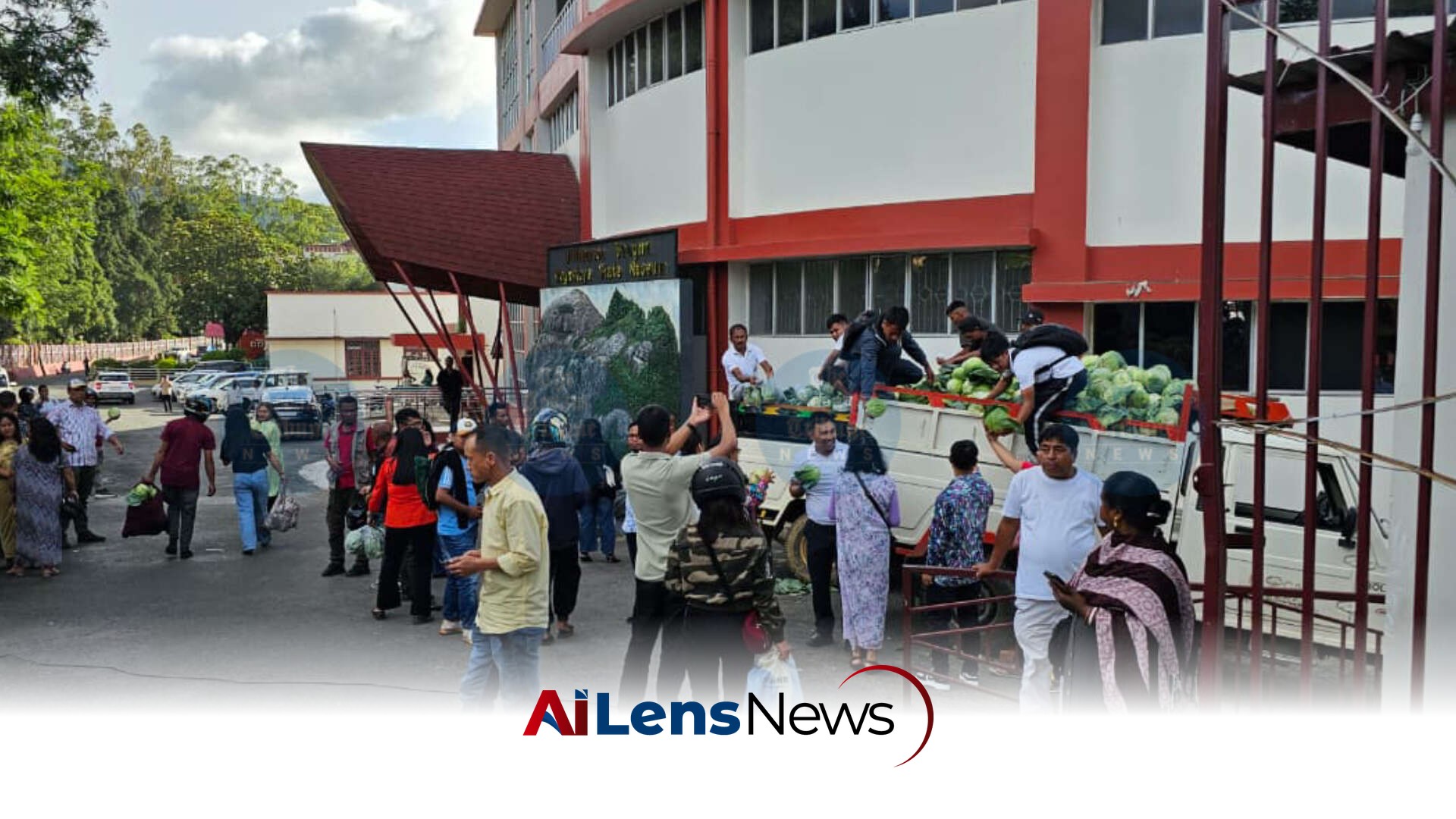


A meeting will be held on July 24 to address the plummeting cabbage prices, following a protest where farmers distributed cabbage to the public.
Shillong, India Jul 17, 2026 ALN: The East Khasi Hills Deputy Commissioner is scheduled to convene a meeting on July 24 with farmers and other stakeholders to address the sharp fall in wholesale prices of agricultural produce, particularly cabbages, and to identify measures to protect growers from recurring financial losses. This meeting comes in response to growing concerns among farmers regarding the sustainability of their livelihoods amidst fluctuating market conditions.
The situation escalated recently when the Hill Farmers' Union, under the leadership of General Secretary Alfonbirth Kharsyntiew, organized a symbolic protest on Thursday. During this protest, farmers distributed six tonnes of cabbage free of cost to the public in Shillong. The cabbages were sourced from four villages in the Mawkynrew block of East Khasi Hills district, highlighting the local agricultural community's connection to the land and their commitment to supporting their neighbors even in times of distress.
Kharsyntiew articulated the motivation behind this unique form of protest, stating, "The free distribution was a silent protest against the drastic fall in cabbage prices. Buyers were offering us only Rs 2 per kg, while the same cabbage was retailing for Rs 15-20 per kg at Iewduh (Bara Bazar)." This stark contrast in pricing illustrates the significant gap between wholesale and retail prices, which is a common issue faced by farmers across many regions in India. The disparity not only affects the income of farmers but also raises questions about the fairness of market practices.
In organizing the protest, farmers ensured they had the necessary permission from the Deputy Commissioner, demonstrating their respect for local governance and the regulatory framework. Kharsyntiew emphasized the thoughtful nature of their protest, saying, "Our protest was different. Instead of dumping vegetables on the roadside, we decided to give them away to people who could use them. Dumping them would only dirty the roads and harm the environment. This way, we could make our point while helping the public." This statement reflects a growing awareness among farmers about the environmental impact of agricultural waste and a desire to engage with the community in a positive manner.
In addition to the immediate financial pressures from low prices, Kharsyntiew highlighted the broader economic challenges faced by farmers. He pointed out that those attempting to sell their produce directly in the market incur substantial costs, which further erode their already thin profit margins. These costs include transportation charges from remote villages to Shillong, porter fees for carrying produce from parking areas to market stalls, and a Rs 40 fee per sack collected by market authorities. Such financial burdens can be overwhelming, especially for small-scale farmers who often rely on seasonal loans to finance their operations.
"Many farmers are already repaying seasonal loans, and these additional expenses further reduce their earnings," Kharsyntiew noted. This statement underscores the precarious financial situation many farmers find themselves in, where even minor fluctuations in price can have significant implications for their ability to sustain their households and invest in future crops.
In light of these challenges, the union is now exploring alternative strategies to minimize losses. They are planning to transport their produce directly to markets in Jowai, Ri-Bhoi district, and other regions of the state during market days, in search of better prices. This proactive approach reflects a growing trend among farmers to seek out more favorable market conditions and mitigate the impact of middlemen who often take a significant cut of the profits.
Kharsyntiew also provided insight into the broader supply chain for vegetables grown in the Khasi Hills, particularly during the peak summer season. He explained that these vegetables are often transported to Silchar and Barpeta in Assam, where they are further distributed to markets in neighboring states such as Manipur and Mizoram. Additionally, consignments from Barpeta are sent across Assam and even to Siliguri in West Bengal. This distribution network highlights the interconnectedness of regional markets and the importance of ensuring that farmers receive fair compensation for their labor and produce.
In the context of these ongoing challenges, Kharsyntiew stressed the critical role of middlemen and government agencies responsible for monitoring prices. He stated, "They must understand the plight of farmers and their families and ensure that growers receive fair prices for their produce." This call to action reflects a broader concern among agricultural advocates regarding the need for systemic reforms to support farmers, promote fair trade practices, and enhance the resilience of rural economies.
The upcoming meeting with the East Khasi Hills Deputy Commissioner represents an important opportunity for dialogue between farmers and local authorities. It is crucial for stakeholders to collaboratively explore solutions that not only address the immediate crisis of falling prices but also establish a more sustainable agricultural framework in the long term. As the agricultural sector faces ongoing pressures from climate change, market volatility, and economic challenges, the voices of farmers must be central to discussions about policy and practice.
In conclusion, the situation in Shillong serves as a microcosm of the broader issues facing farmers across India. The symbolic protest by the Hill Farmers' Union highlights the urgent need for systemic changes to ensure fair pricing, reduce the burden of costs on farmers, and promote sustainable agricultural practices. As the meeting approaches, it will be essential for all stakeholders to engage in meaningful dialogue aimed at creating a more equitable and resilient agricultural sector that supports the livelihoods of farmers and the communities they serve.
The agricultural landscape in India is marked by a multitude of challenges, including erratic weather patterns, changing consumer preferences, and fluctuating market dynamics. Farmers, particularly smallholders, often find themselves at the mercy of these external factors, which can drastically affect their income and quality of life. In regions like Shillong, where agriculture is a primary source of livelihood, the implications of market volatility are particularly pronounced.
The significance of cabbages in the local economy cannot be understated. Cabbages are not only a staple vegetable in the Khasi Hills but also a cash crop for many farmers. The decline in wholesale prices can lead to severe repercussions for farmers who have invested time, labor, and resources into cultivating these crops. Such economic pressures can lead to a cycle of debt, where farmers are compelled to borrow money to sustain their operations, further entrenching them in financial difficulties.
Moreover, the role of local markets in supporting agricultural sustainability is critical. Markets serve as the primary point of sale for farmers, and the prices at which they can sell their produce significantly impact their profitability. The disparity between wholesale and retail prices, as highlighted by Kharsyntiew, underscores the need for more transparent pricing mechanisms and better market access for farmers. This is particularly important in light of the growing trend of urbanization and the increasing demand for fresh produce in urban centers.
Furthermore, the protest organized by the Hill Farmers' Union is indicative of a larger movement among farmers in India to assert their rights and demand fair treatment. Across the country, farmers have been increasingly vocal about their grievances, leading to significant protests and advocacy efforts aimed at reforming agricultural policies. The call for fair pricing and support from government agencies is a critical aspect of this movement, as farmers seek to ensure their voices are heard in policy discussions that directly affect their livelihoods.
As the meeting with the Deputy Commissioner approaches, it will be essential for both farmers and government officials to come together with a shared understanding of the challenges at hand. Collaborative efforts to address the underlying issues within the agricultural sector can lead to more sustainable practices, improved market conditions, and ultimately, better livelihoods for farmers. The outcomes of such dialogues could set a precedent for future engagements between farmers and local authorities, fostering a more inclusive approach to agricultural policy-making.
In summary, the situation in Shillong not only reflects the struggles of local farmers but also serves as a broader commentary on the agricultural challenges faced by many in India. The need for systemic change, fair pricing, and sustainable practices is paramount as the agricultural sector navigates an increasingly complex landscape. The upcoming meeting is a crucial step towards addressing these issues and ensuring that the voices of farmers are integral to the solutions that are developed.
To learn more about the latest developments in Economy, stay updated with our exclusive reports and analyses on AiLensNews.

