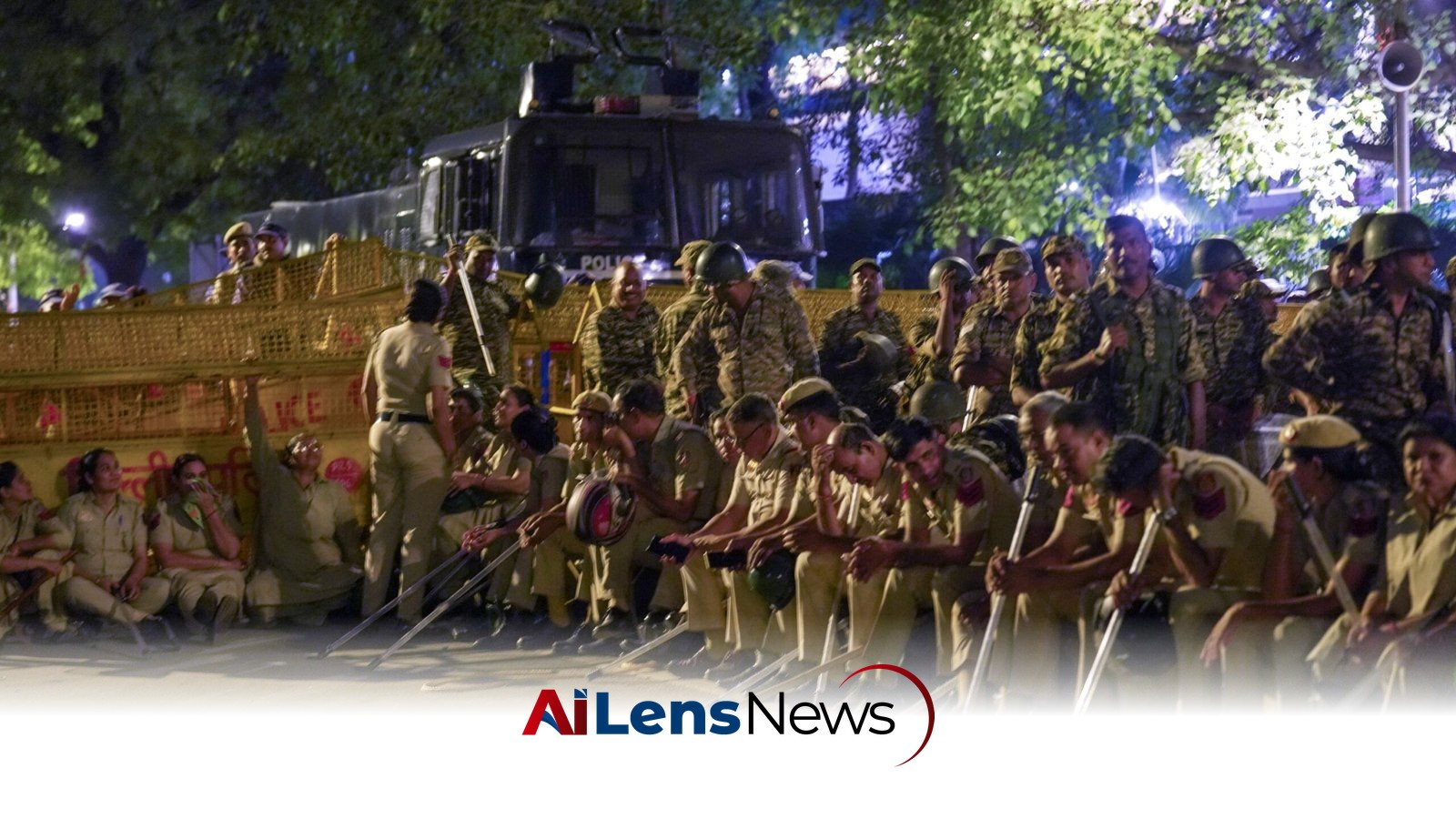


Sixteen Delhi Metro stations, including key hubs like Rajiv Chowk and Central Secretariat, were closed due to security concerns linked to the ongoing Cockroach Janta Party protest.
Shillong, India Jul 23, 2026 ALN: Sixteen Delhi Metro stations, including prominent hubs such as Rajiv Chowk, Central Secretariat, Mandi House, ITO, and Khan Market, were closed on Thursday morning due to security reasons, according to the Delhi Metro Rail Corporation (DMRC). This decision was made in response to the escalating crowds at the ongoing Cockroach Janta Party (CJP) protest taking place at Jantar Mantar, a location historically significant for public demonstrations in the capital.
The protests organized by the CJP, which have attracted attention for their unique name and approach, reflect a growing sentiment among certain segments of the population regarding various socio-political issues. The CJP, a relatively new player in the political landscape, has gained traction for its focus on grassroots activism and its criticism of established political parties. The protest at Jantar Mantar represents a culmination of frustrations over issues such as governance, public services, and accountability from elected representatives.
In light of the protests and the potential for large gatherings to lead to disturbances, the DMRC has opted to close several metro stations as a precautionary measure. This decision to close stations is not unprecedented in the context of large-scale protests in Delhi, which often sees similar measures taken to ensure public safety and to manage the flow of crowds. The closure of these stations is expected to impact daily commuters, particularly those who rely on the metro system for transportation in and around the city.
Despite these closures, the DMRC has assured the public that interchange facilities will remain operational at key stations such as Rajiv Chowk, Mandi House, and Central Secretariat. This means that while passengers may not be able to exit or enter these stations, they can still transfer between different metro lines, which is crucial for maintaining connectivity across the network during such disruptions.
The list of closed stations includes Lok Kalyan Marg, Rajiv Chowk, Patel Chowk, Ramakrishna Ashram Marg, Barakhamba Road, Supreme Court, Seva Teerth, Janpath, Mandi House, Central Secretariat, ITO, Delhi Gate, Indraprastha, Khan Market, Jor Bagh, and Shivaji Stadium. The DMRC has communicated that these closures will remain in effect until further instructions are provided, indicating that the situation is being monitored closely by authorities.
The implications of such closures extend beyond mere inconvenience for commuters. They highlight the delicate balance that authorities must maintain between allowing for the exercise of democratic rights, such as the right to protest, and ensuring public safety and order. The history of protests in Delhi is marked by both peaceful demonstrations and instances of violence, which adds to the complexity of managing public gatherings in the city.
Jantar Mantar has long served as a site for protests, with its strategic location near the heart of the political establishment making it a focal point for activists and citizens seeking to voice their concerns. The area has hosted numerous movements over the years, including those advocating for social justice, environmental issues, and political accountability. The ongoing CJP protest is a continuation of this tradition, reflecting the diverse voices that make up the tapestry of Indian civil society.
As the protests unfold, the response from law enforcement and public transportation authorities will be closely scrutinized. Previous protests in Delhi have sometimes led to clashes between demonstrators and police, raising questions about the methods used to control crowds and maintain order. The DMRC's decision to close stations can be seen as a proactive measure aimed at preventing such confrontations and ensuring that public transport remains safe and accessible for those who need it.
In addition to the immediate logistical challenges posed by the station closures, there are broader implications for the political climate in Delhi and beyond. The CJP's rise as a political force may signal a shift in public sentiment, particularly among younger voters who are increasingly disillusioned with traditional political parties. This could lead to a reevaluation of political strategies by established parties, as they seek to engage with a populace that is demanding change and greater accountability.
Furthermore, the closure of metro stations during protests may also lead to discussions about the adequacy of public transport infrastructure in handling surges in passenger volumes during such events. As cities grow and urban populations increase, the ability of public transport systems to adapt to changing demands will be a critical issue for urban planners and policymakers. The Delhi Metro, which has become a vital component of the city's infrastructure, must continuously evolve to meet the needs of its users while also accommodating the complexities of urban protests.
The DMRC's management of this situation also raises important questions about crisis communication and public relations. As the metro system is a lifeline for millions of daily commuters, the handling of such incidents can significantly impact public perception of the DMRC. Clear and timely communication regarding station closures, alternative travel options, and safety measures can help mitigate frustration among commuters and reinforce trust in the metro system's management.
In conclusion, the closure of 16 Delhi Metro stations in response to the CJP protest at Jantar Mantar underscores the intricate relationship between public safety, civil rights, and urban mobility in a bustling metropolis like Delhi. As the situation develops, it will be important for both authorities and citizens to navigate the challenges posed by large-scale protests while respecting the democratic rights of individuals to assemble and express their views. The coming days may provide further insights into the effectiveness of the CJP's mobilization efforts and the potential impact on the political landscape in the capital and across India.
Moreover, the evolving nature of protests in India, particularly in urban centers like Delhi, reflects a broader trend of civic engagement and political activism among the populace. As more individuals become involved in movements that resonate with their values and concerns, the dynamics of political discourse may shift, prompting a reevaluation of priorities among policymakers. This could lead to more responsive governance and a greater emphasis on transparency and accountability in public service delivery.
Ultimately, the interplay between public protests, transportation infrastructure, and governance will continue to shape the future of Delhi and its residents. As the city grapples with the challenges of rapid urbanization and social change, the lessons learned from events like the CJP protest may serve as a catalyst for ongoing dialogue and reform in the political arena.
To learn more about the latest developments in Crime & Law, stay updated with our exclusive reports and analyses on AiLensNews.

